Expert advice on carpet, upholstery, rug and leather care across England & Wales.
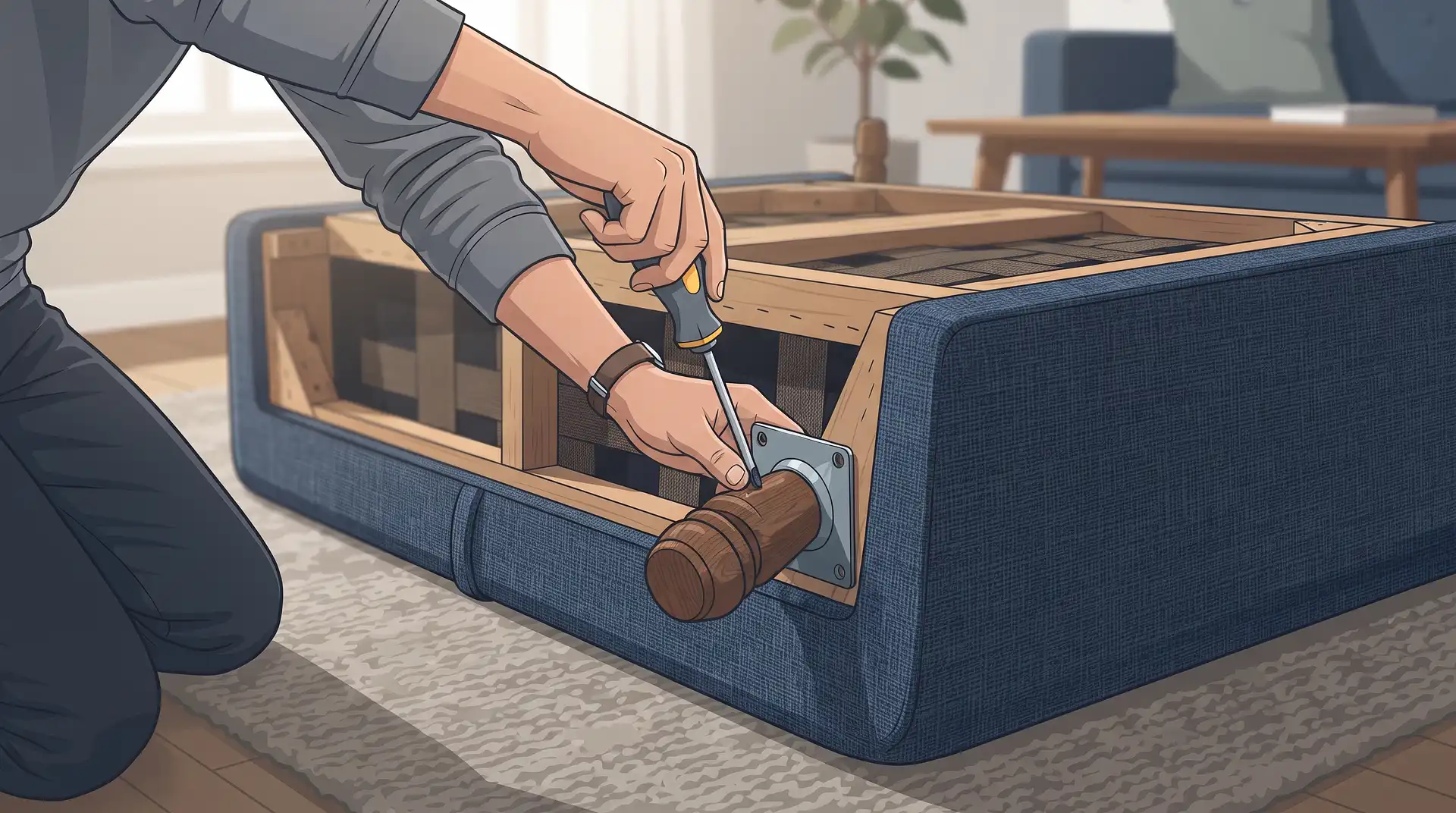
Quick Answer Remove all cushions and loose pillows first. Turn the sofa over and unscrew the legs, which may free up enough clearance to fit through a doorway on its own. If the arms or back still need to come off, locate the bolts or brackets connecting them, usually accessible…
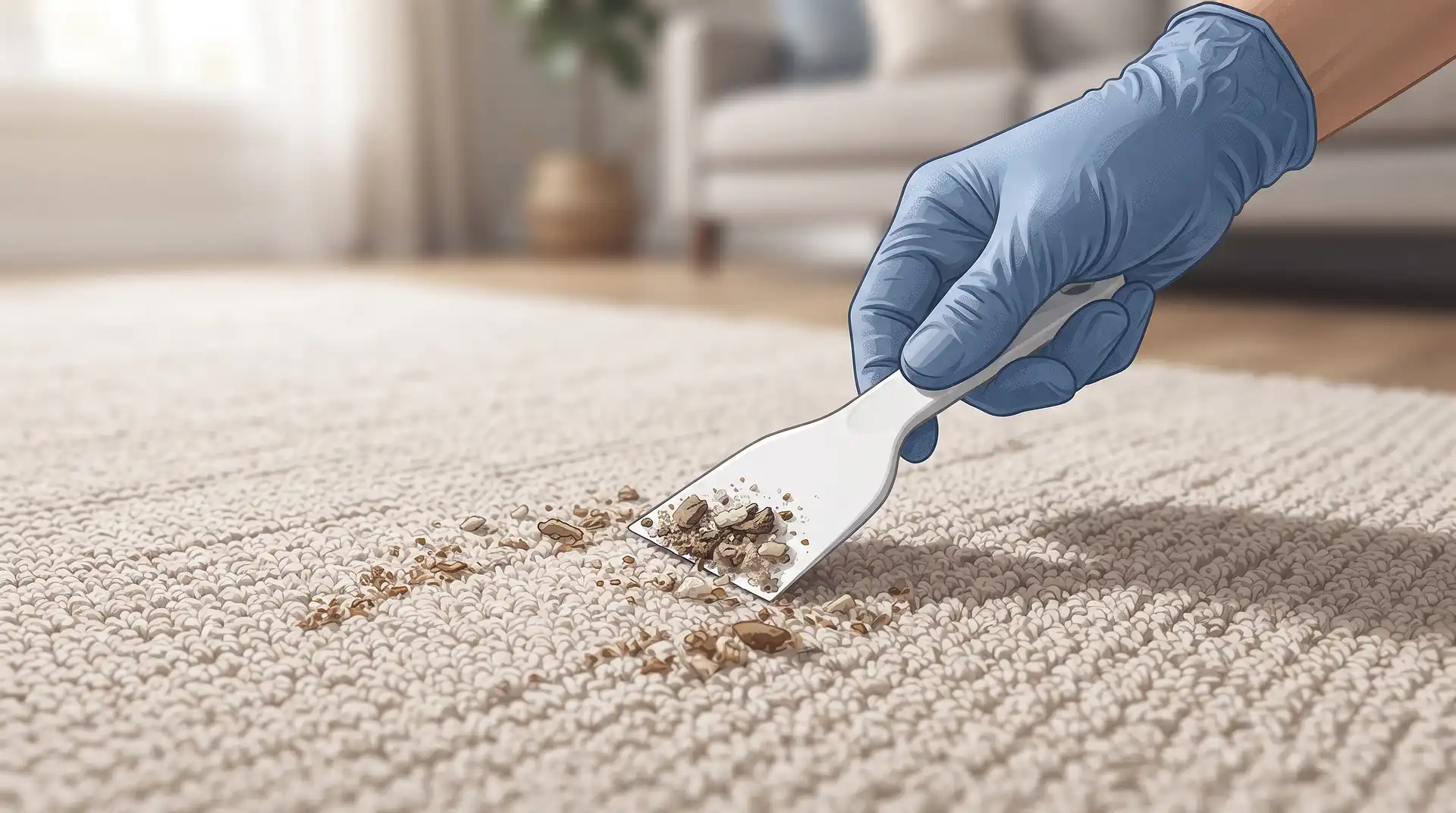
Quick Answer Wear gloves and scrape up any solids with a spatula, spoon, or piece of card, working carefully to avoid pushing them further into the pile. Blot up excess liquid with paper towels or a cloth. Treat the area with either a diluted white vinegar solution or diluted hyd…
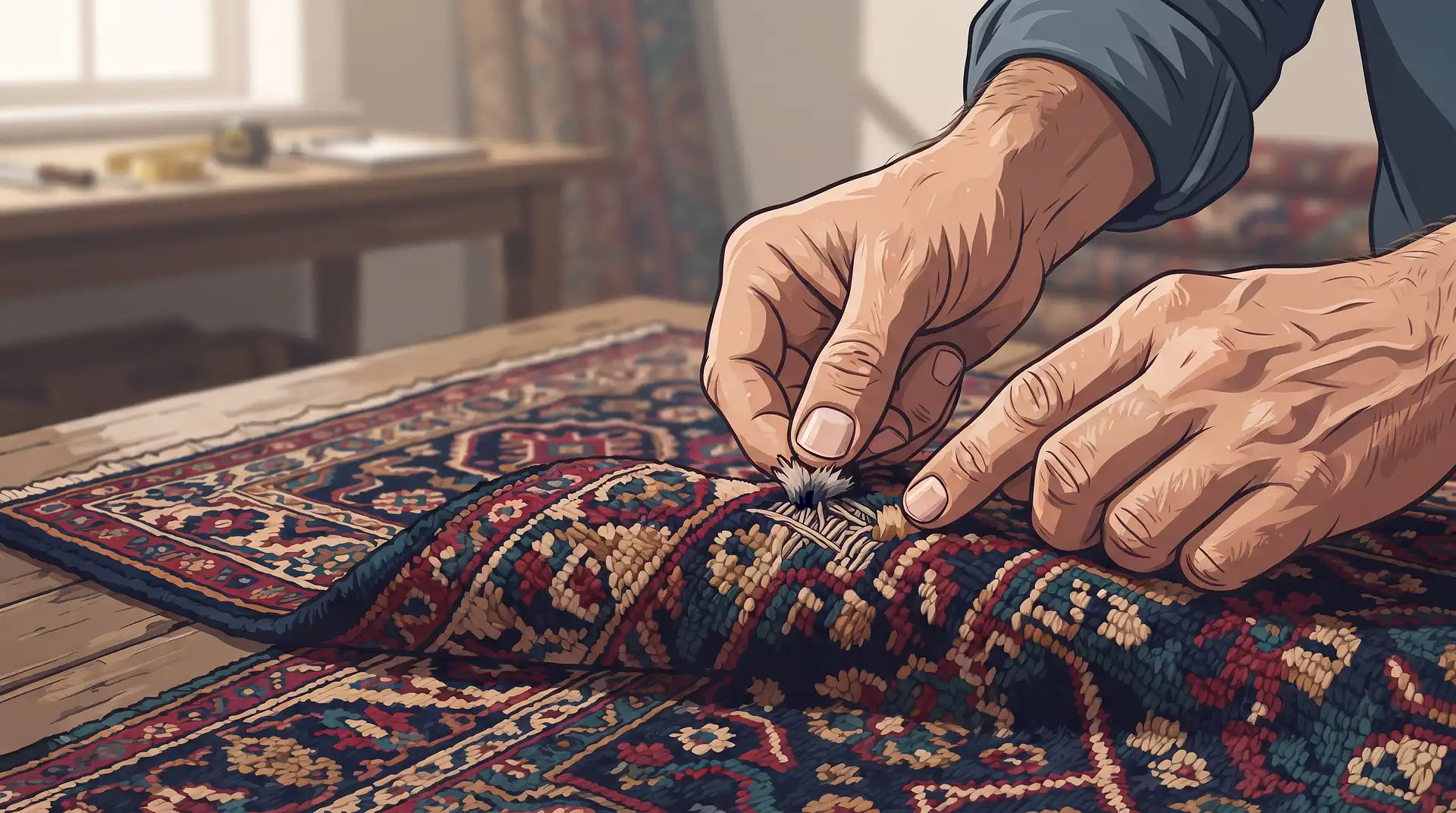
Quick Answer Professional Persian rug cleaning in the UK typically costs between twenty five and sixty pounds per square metre, noticeably more than the ten to twenty five pounds per square metre typical for a synthetic rug. A small Persian rug might cost around thirty pounds to…
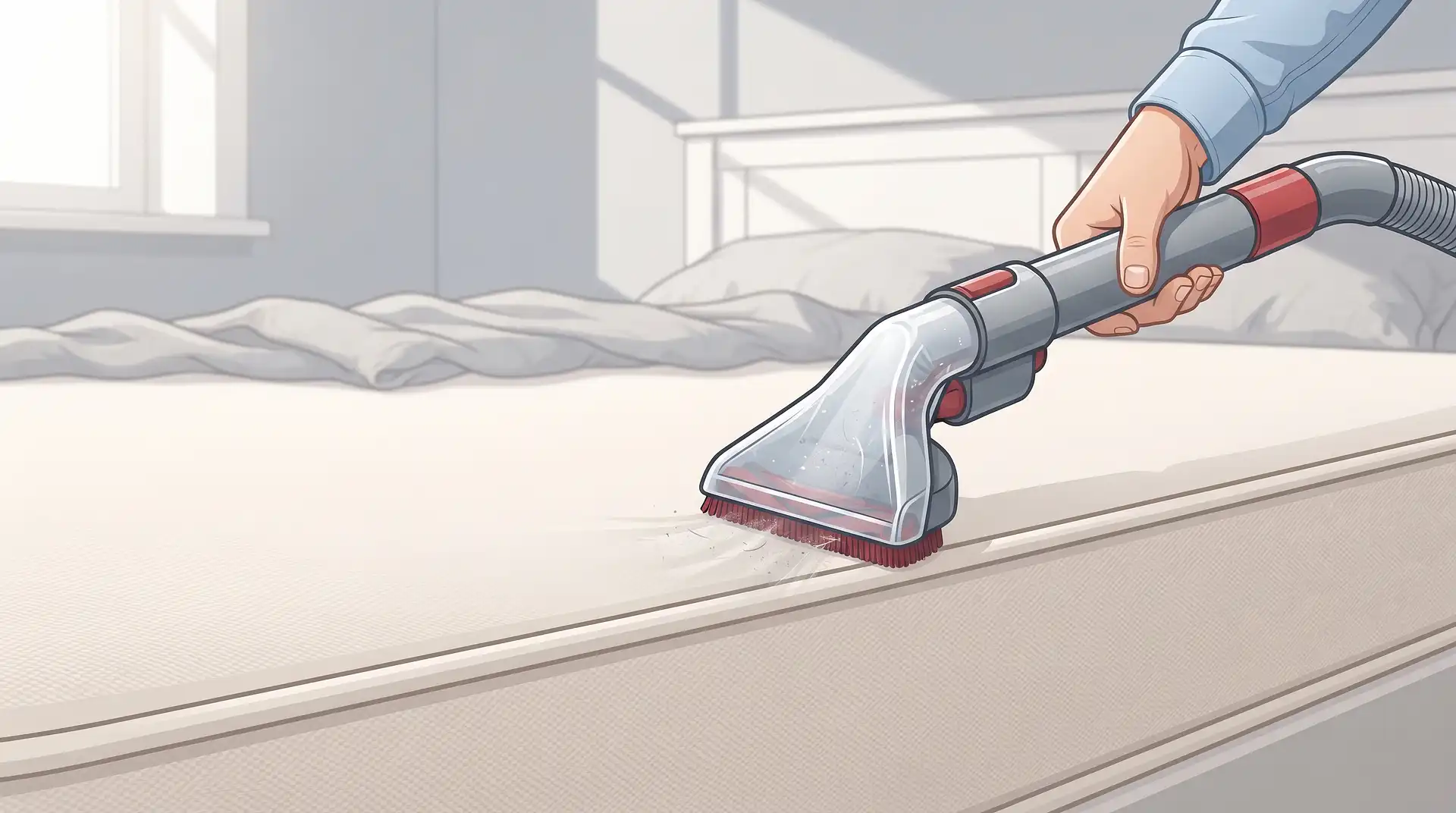
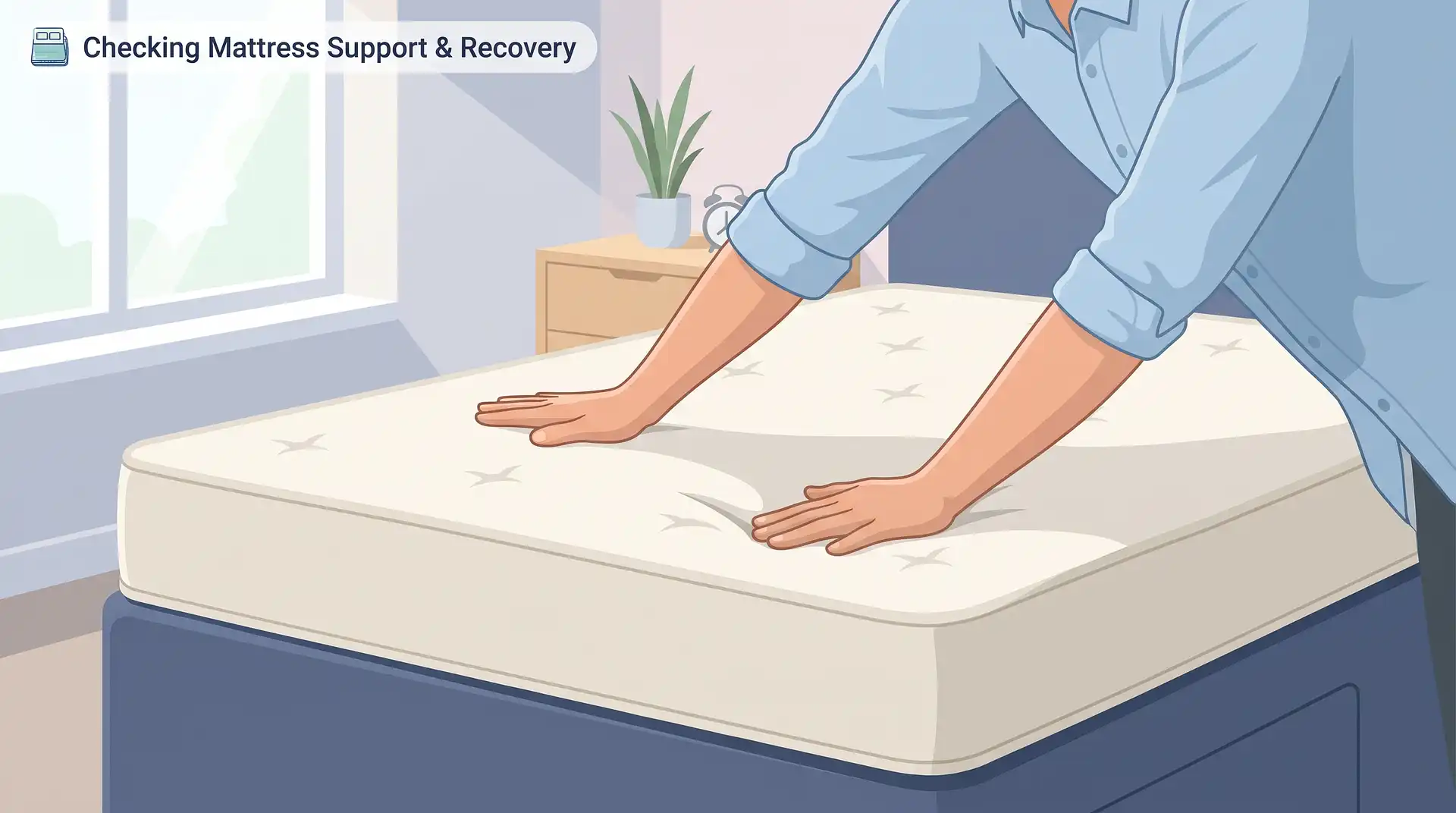
Quick Answer Strip all bedding, including the mattress protector, and wash it on the hottest setting the fabric allows, ideally sixty degrees or above, then tumble dry on high heat for at least thirty minutes. Vacuum the entire mattress thoroughly on both sides, paying close atte…
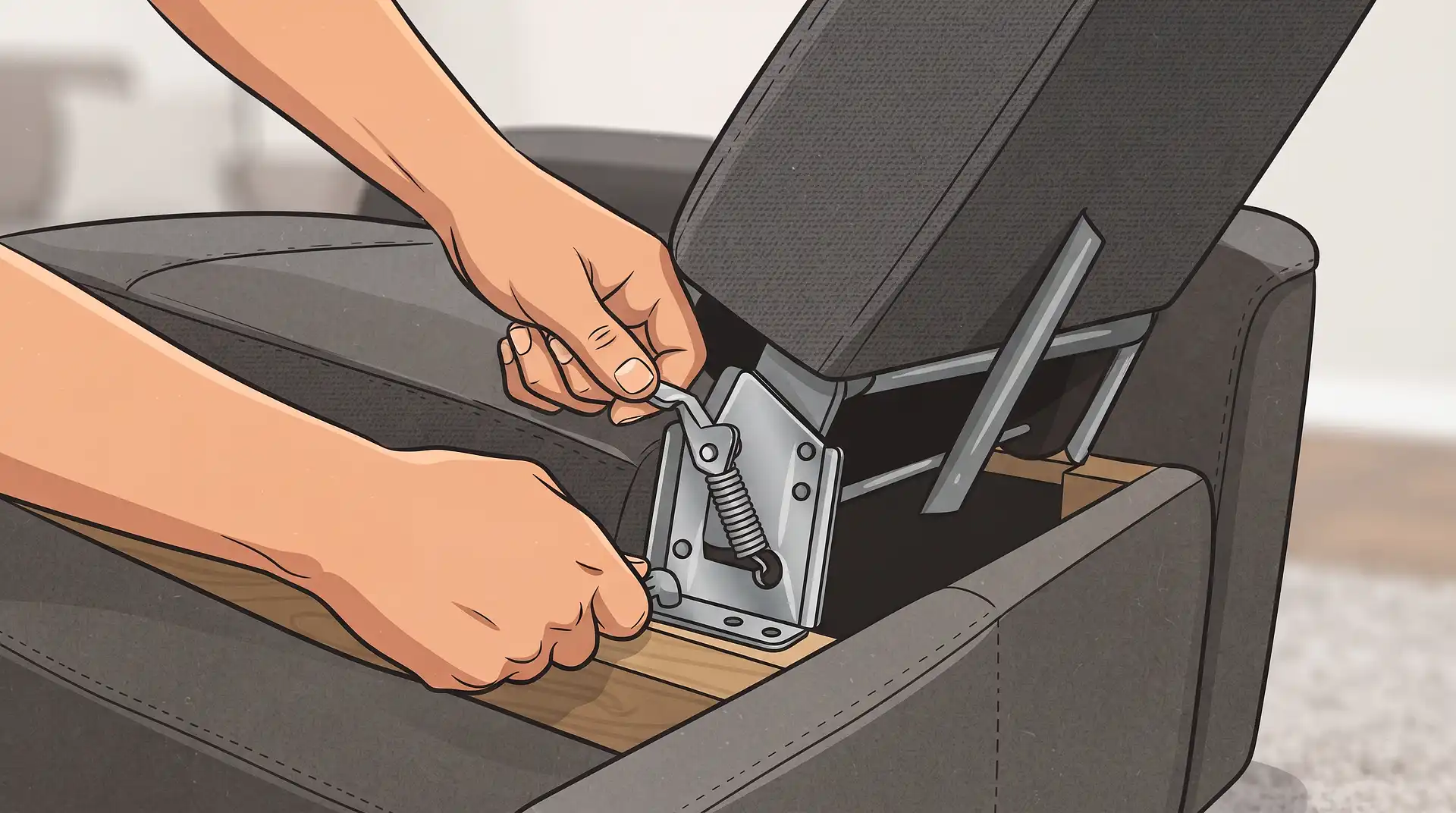
Quick Answer Unplug and remove any battery pack from an electric or power recliner before doing anything else. Remove all cushions and any removable covers to reduce weight and improve access. Locate the release levers or brackets, usually where the backrest meets the seat frame,…
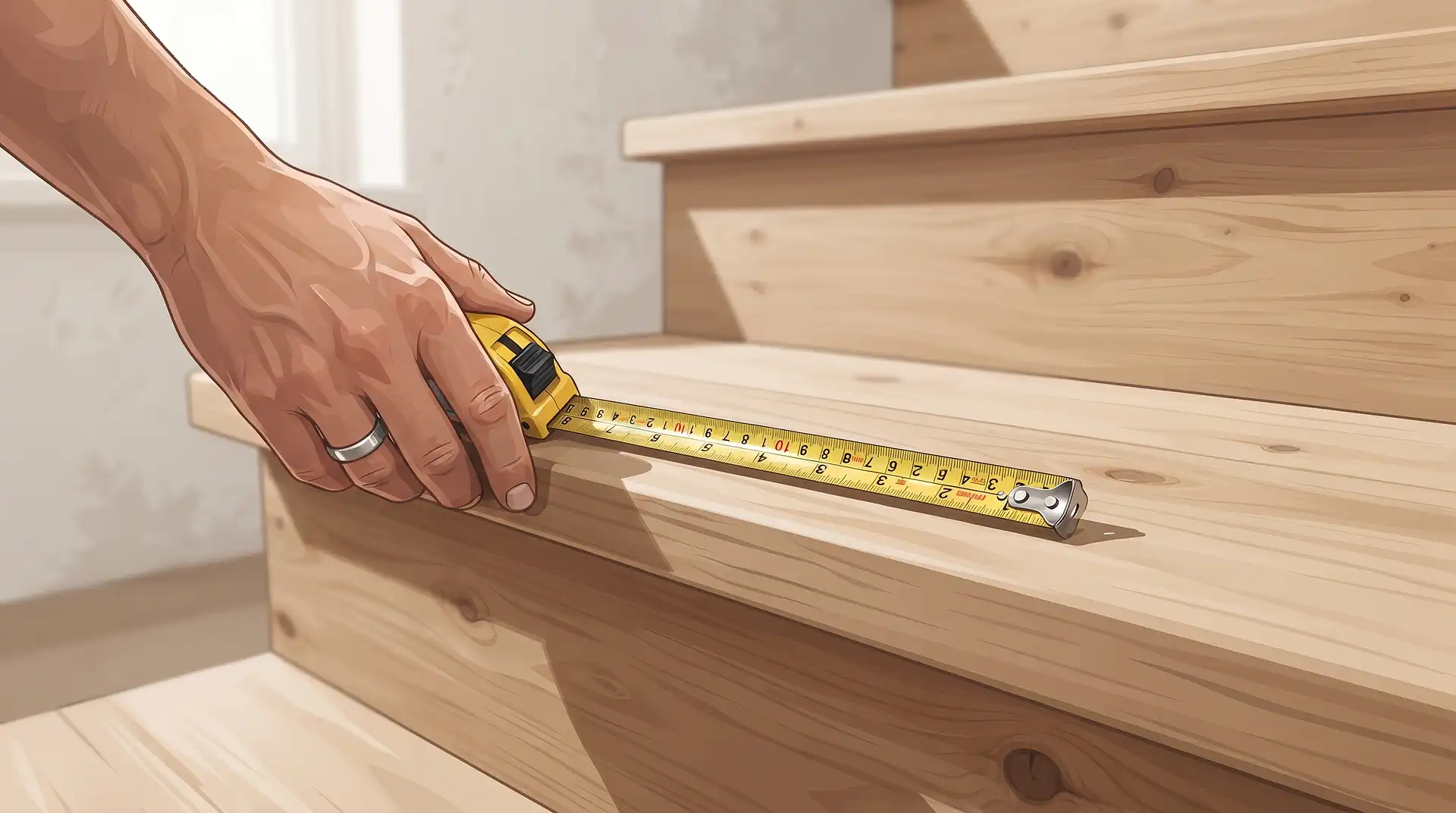
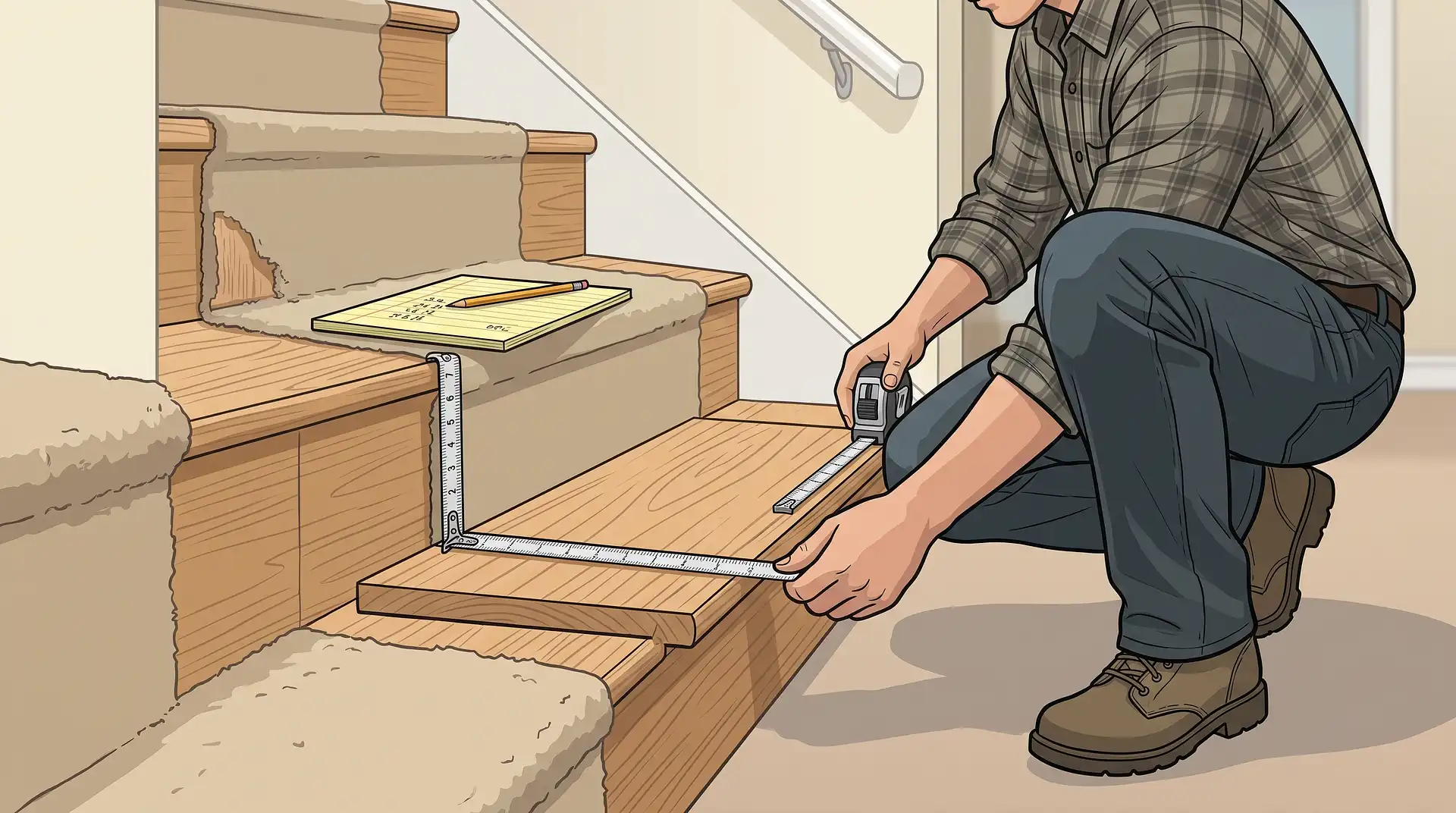
Quick Answer Measure the depth of the tread and the height of the riser on one step, add them together, then multiply by the total number of steps to get the overall length needed. Measure the width of the stairs separately from edge to edge. Add a trimming allowance, typically a…
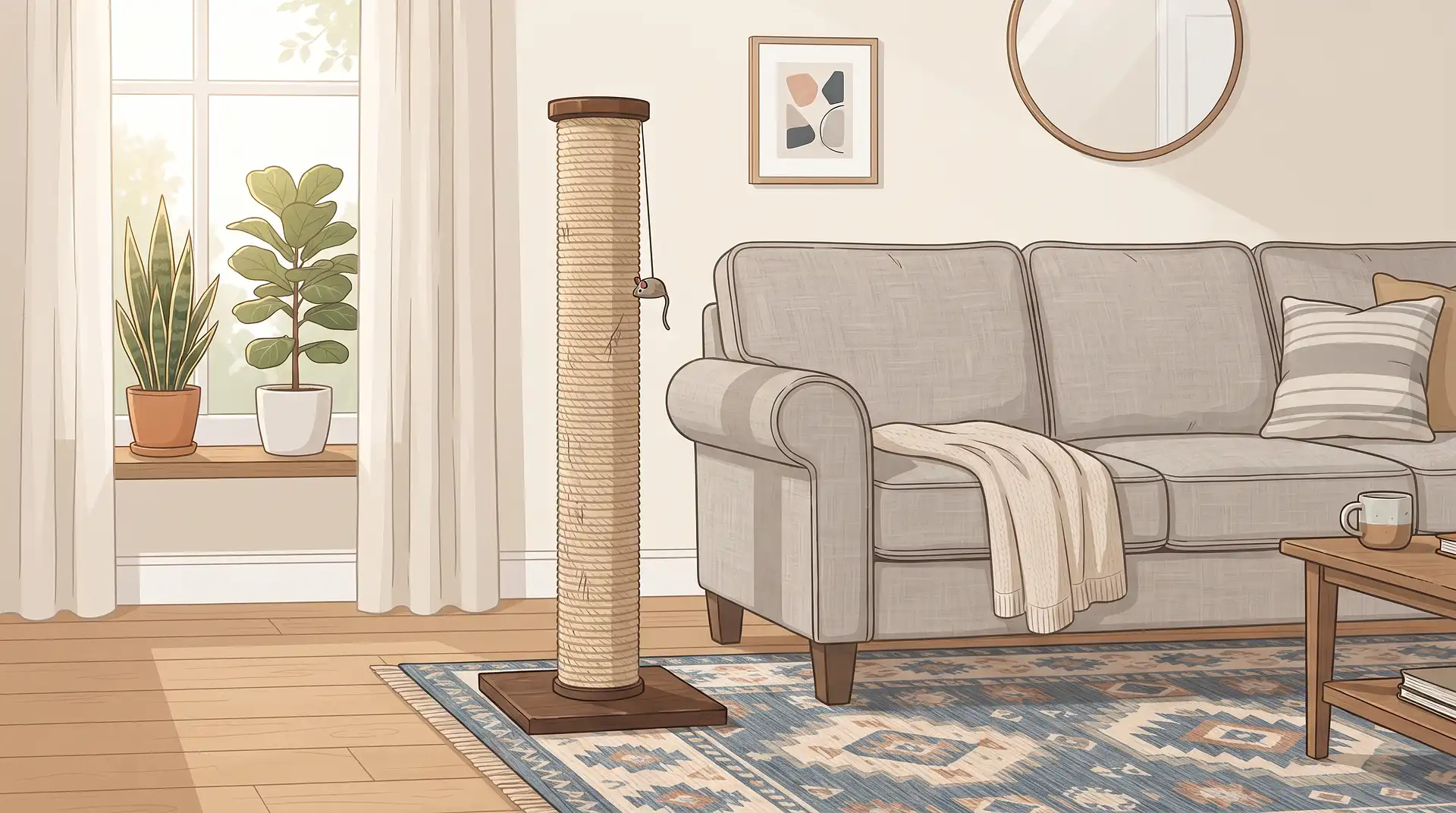
Quick Answer Scratching is a normal, healthy behaviour for cats, so the goal is to redirect it rather than eliminate it entirely. Provide a sturdy scratching post at least eighty centimetres tall, positioned near where your cat already likes to scratch or sleep. Clean the scratch…
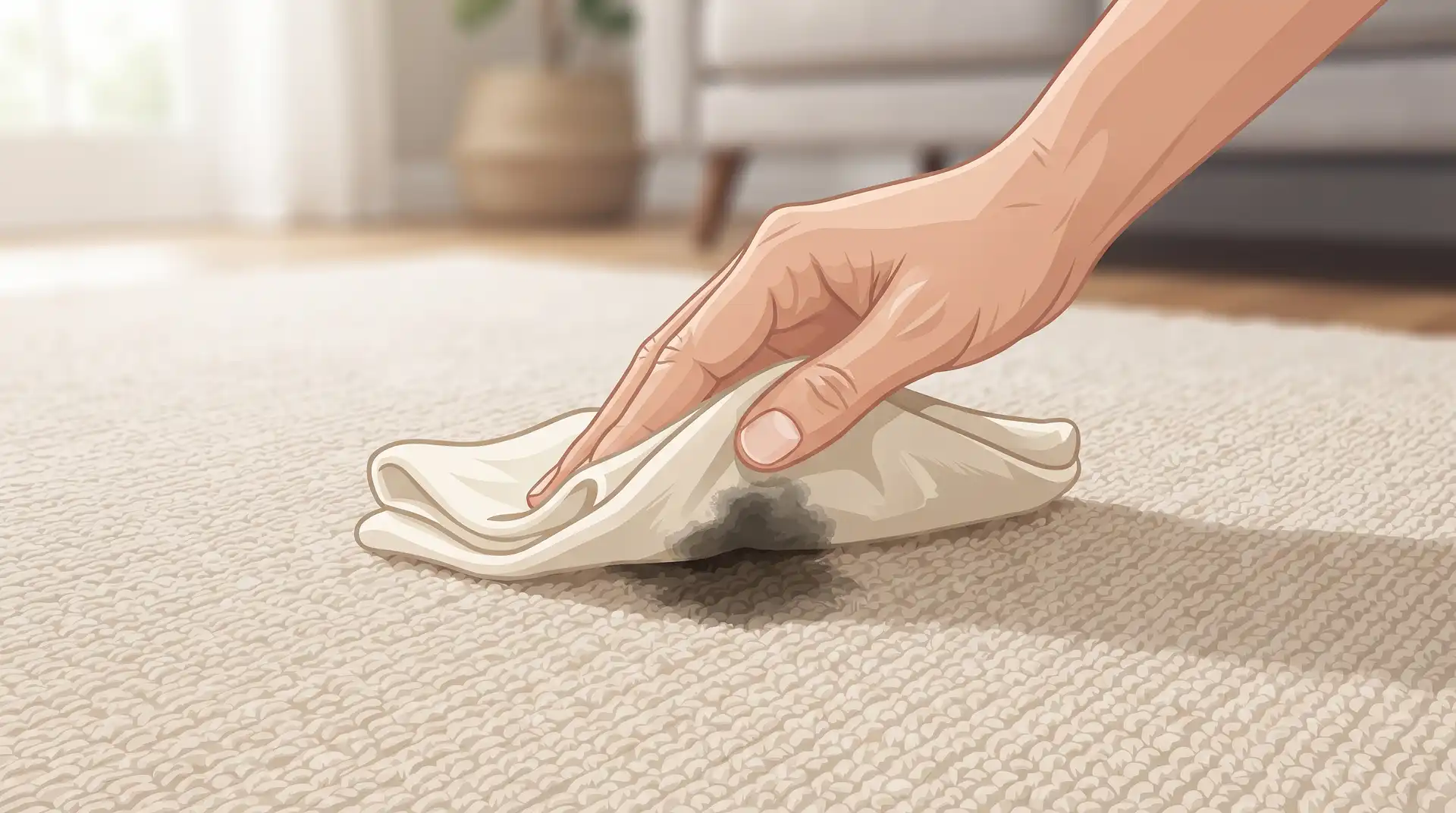
Quick Answer Blot up as much fresh oil as possible with a clean cloth or paper towel, scraping off any thick excess with a spoon first. Cover the area with bicarbonate of soda or cornflour and leave for fifteen to thirty minutes to absorb what has soaked into the fibres, then vac…
Quick Answer Vacuum a white rug weekly, since dirt and dust show up far more visibly than on a darker rug. For general stains, blot with a mild detergent or dish soap solution rather than rubbing. For yellowing or dullness, a diluted hydrogen peroxide solution can safely brighten…
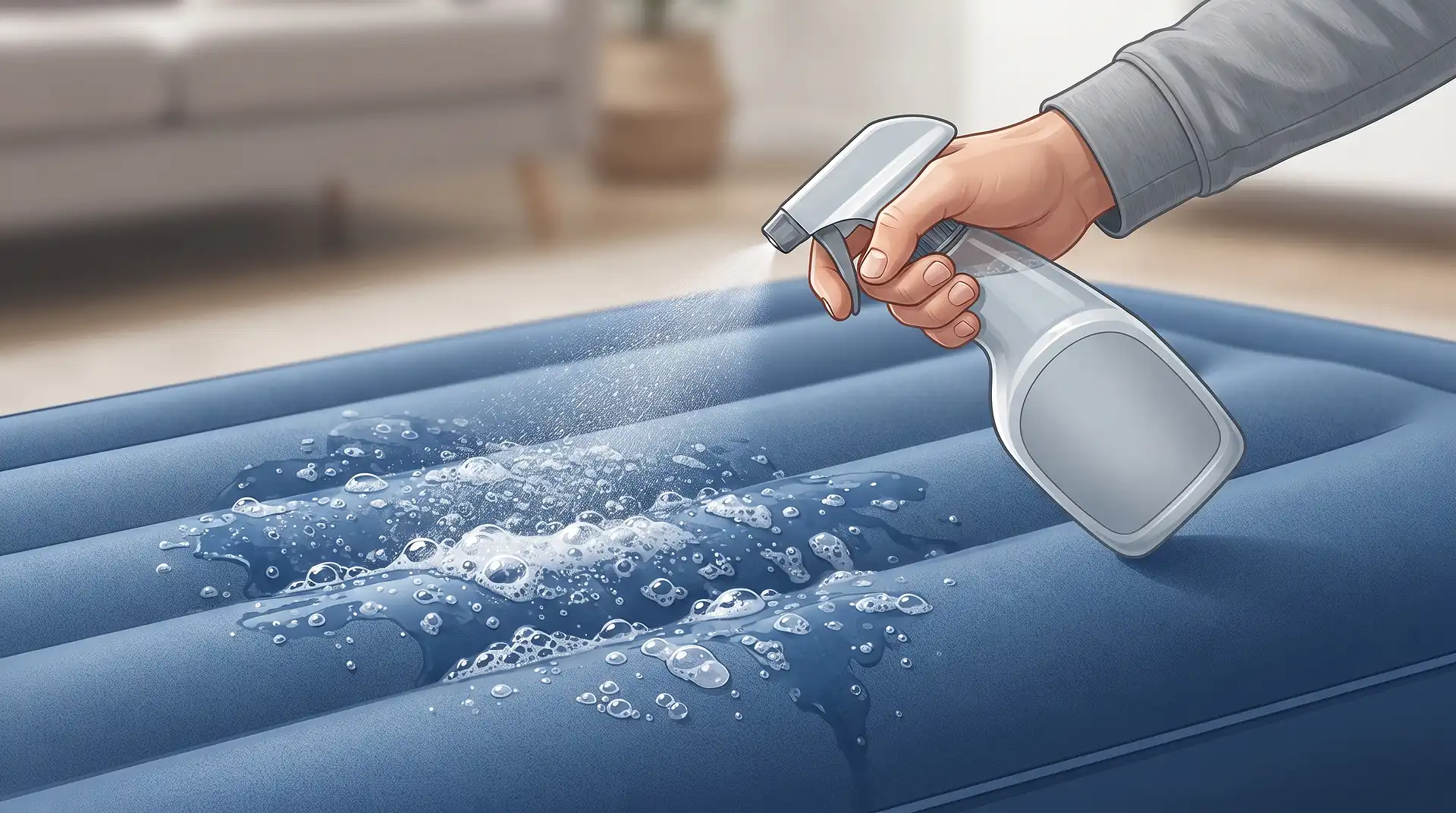
Quick Answer Before assuming there is a hole, check that the valve is fully closed and sealed properly, since a loose or faulty valve is a common cause of a mattress that seems to deflate overnight. If the valve checks out, fully inflate the mattress and look and listen for any o…
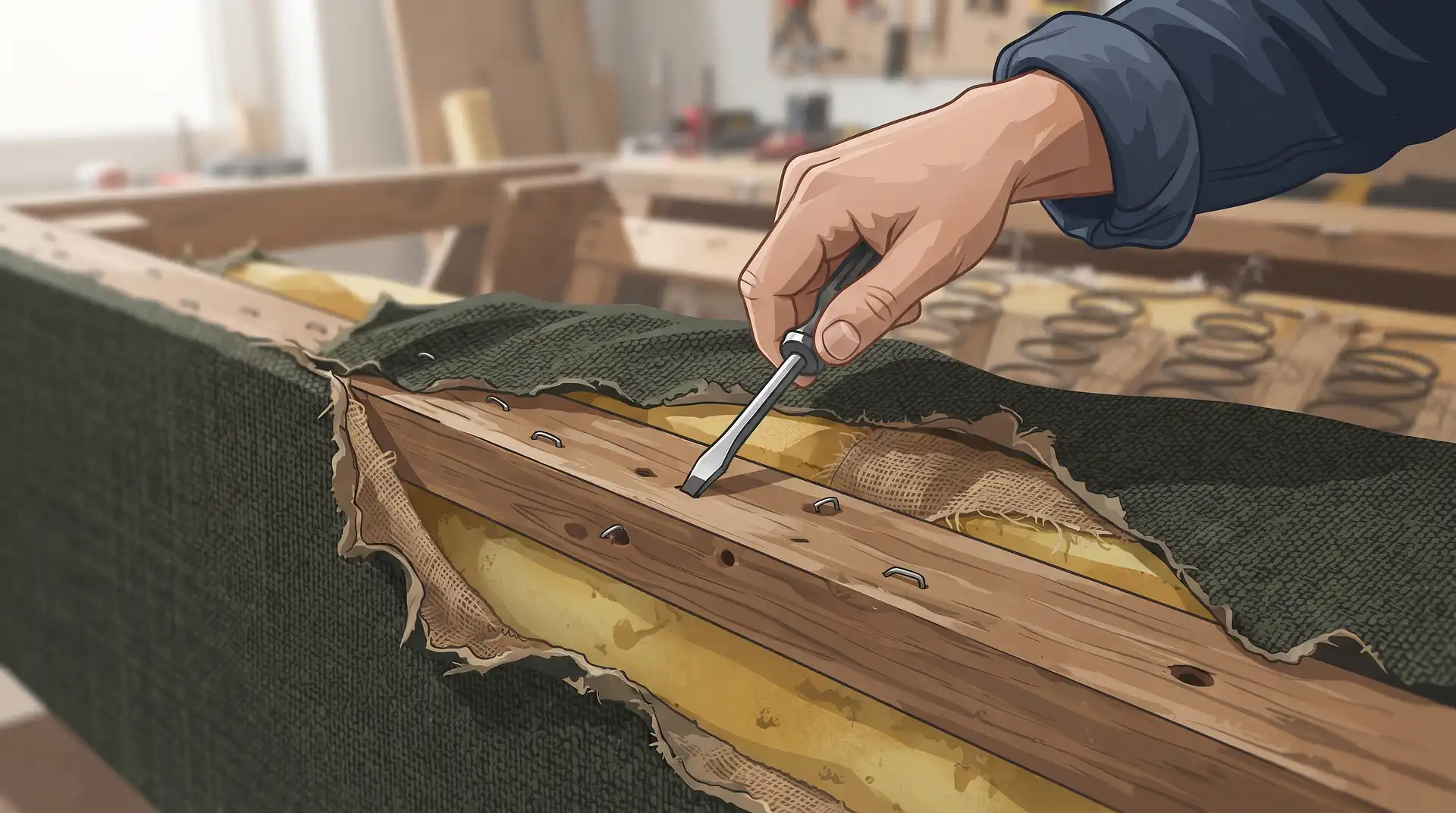
Quick Answer Test the sofa frame for structural soundness before committing to the project. Photograph and label every piece of fabric as you remove it, working in a clear order so you can reverse the process later. Replace any sagging or damaged foam and padding. Cut new fabric…
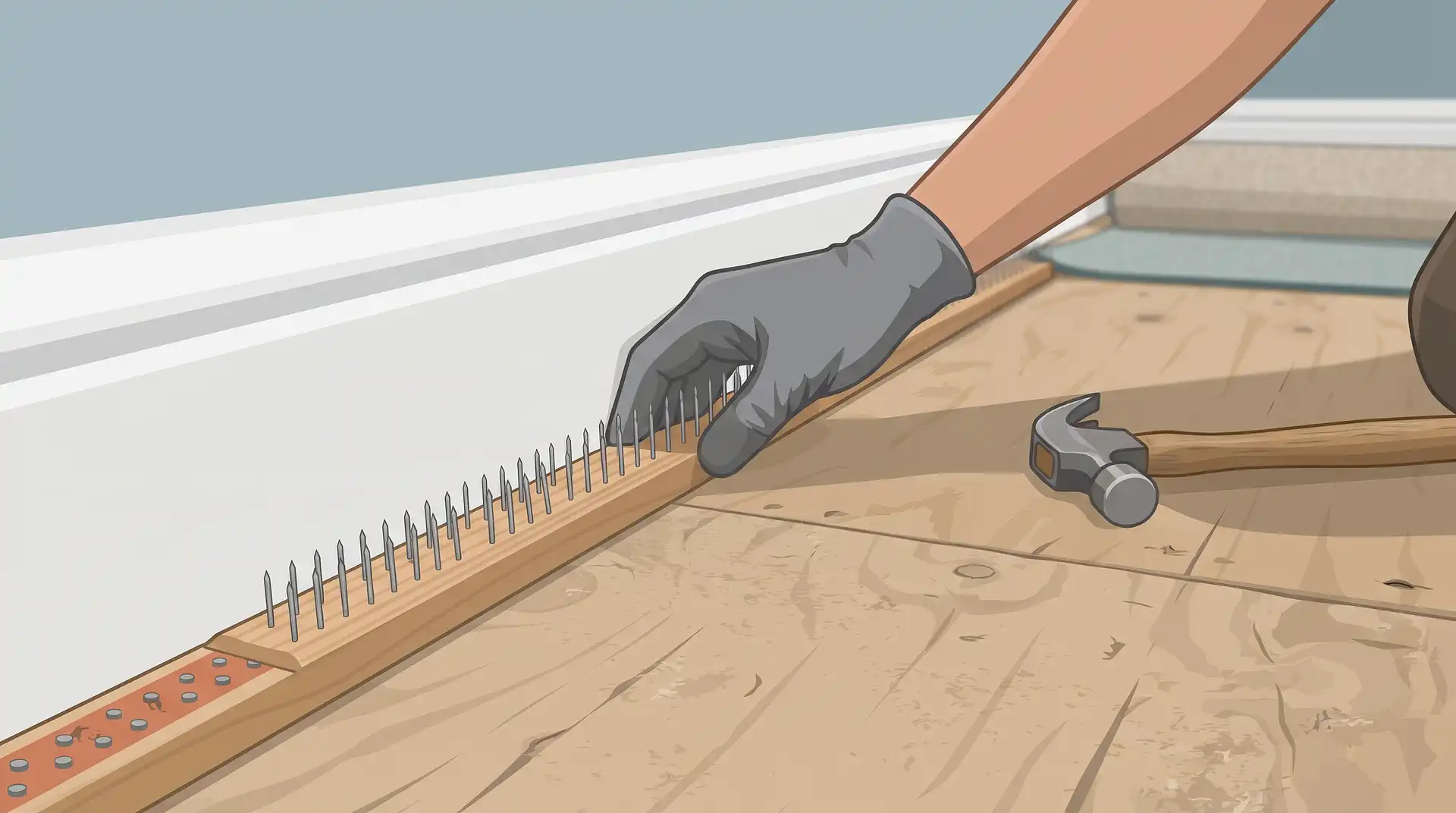
Quick Answer Measure the room and order around ten percent extra carpet to allow for trimming. Remove the old carpet and underlay, then check the subfloor is clean, dry, and level before doing anything else. Fit gripper rods around the perimeter of the room, leaving a small gap f…
Quick Answer Most mattress protectors should be washed every one to two months as a general baseline. Wash more often, roughly every two to four weeks, if you have young children, pets that sleep on the bed, or allergies. Always wash a protector before its first use, and wash it…
Quick Answer Most mattresses last between seven and ten years, though this varies by type, with innerspring mattresses often needing replacement closer to five to seven years and memory foam or latex lasting longer, sometimes up to fifteen to twenty five years for high quality la…
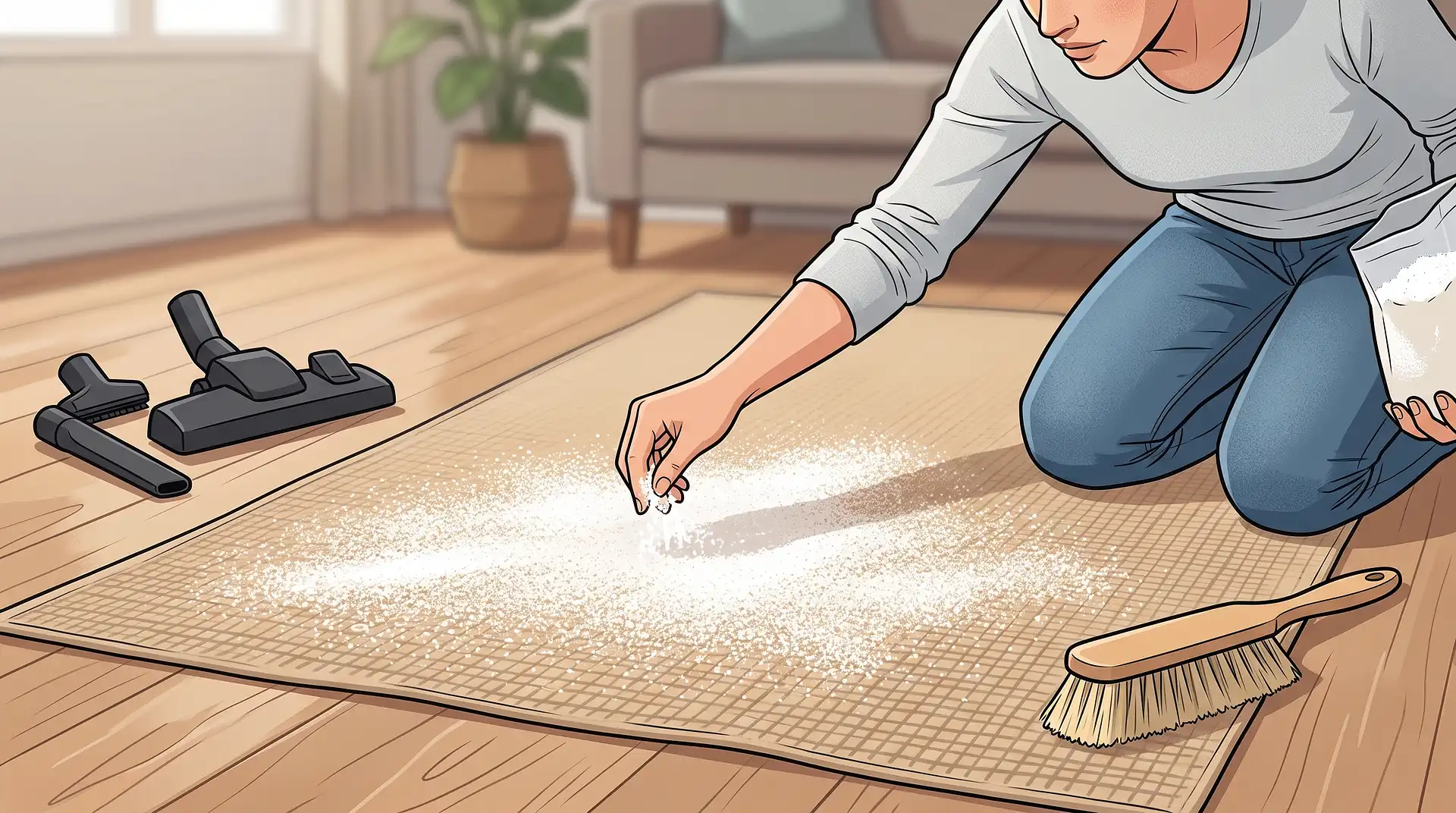
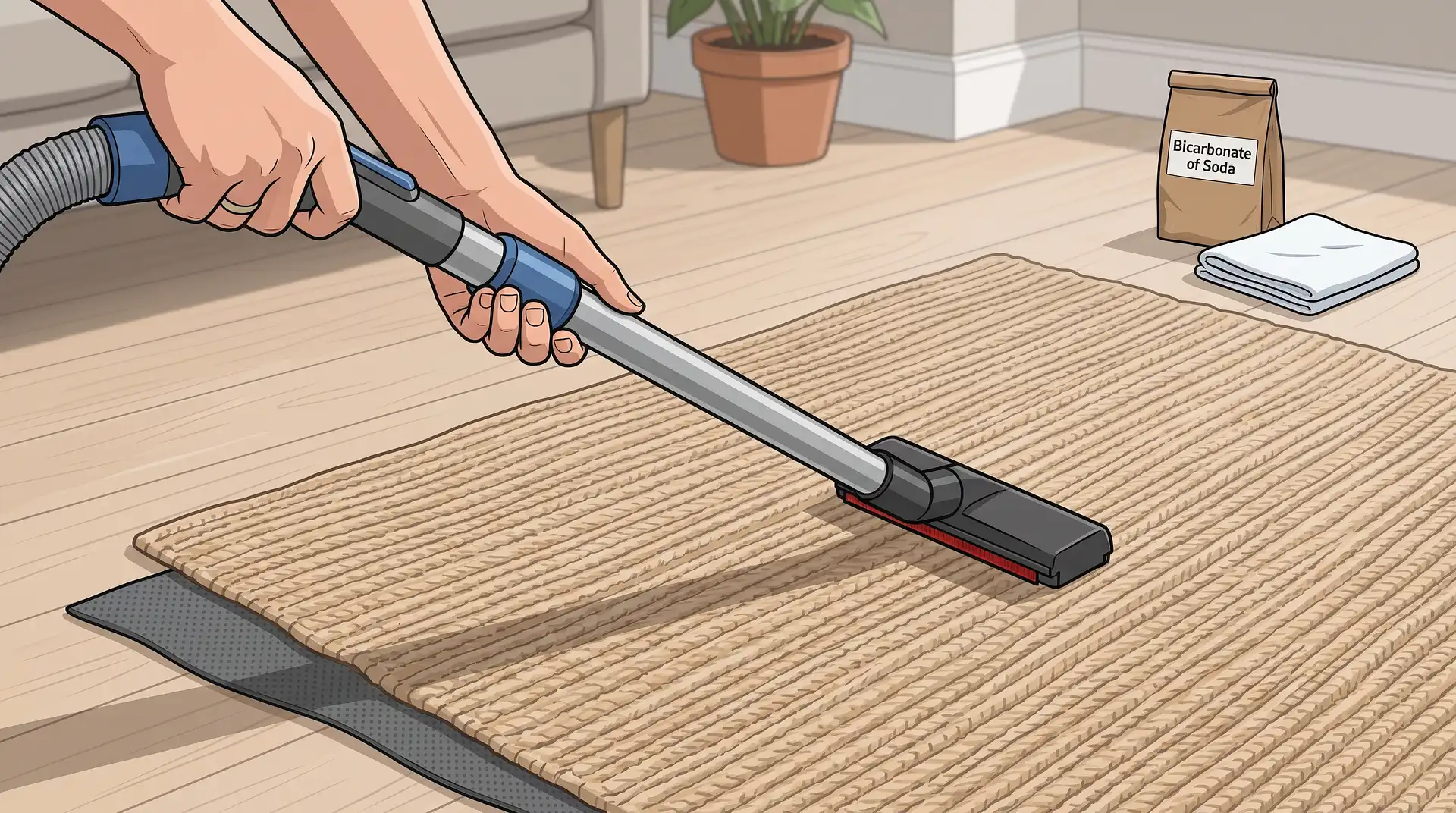
Quick Answer Vacuum the rug thoroughly first, then do a patch test in a hidden corner with a small amount of bicarbonate of soda before treating the whole rug. Sprinkle it generously and evenly across the surface, leave for at least fifteen minutes, longer overnight for stronger…
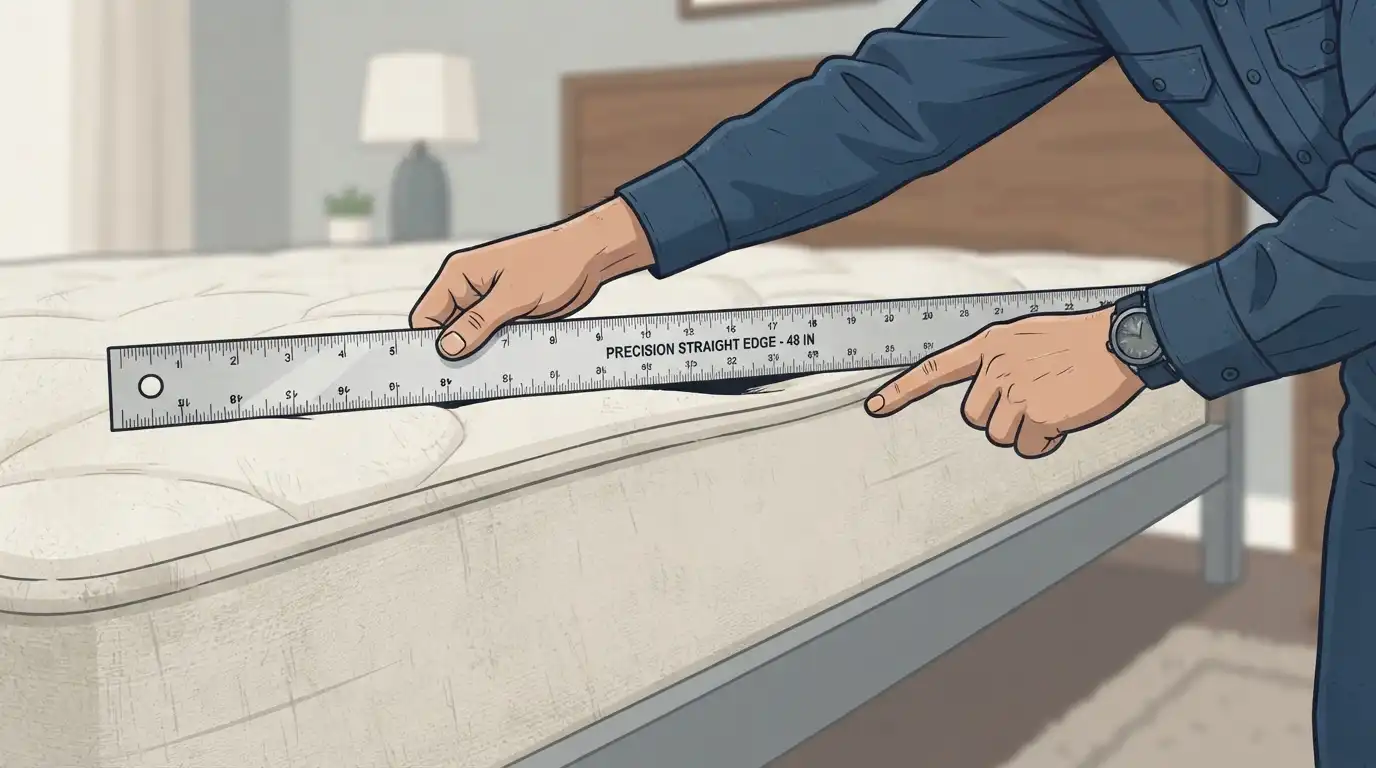
Quick Answer For most people, a spring count of 1000 or more in a king size mattress is a good benchmark for quality, with 600 considered the lowest acceptable count found mainly in budget ranges. Spring count alone does not determine firmness, since the gauge of the springs, the…
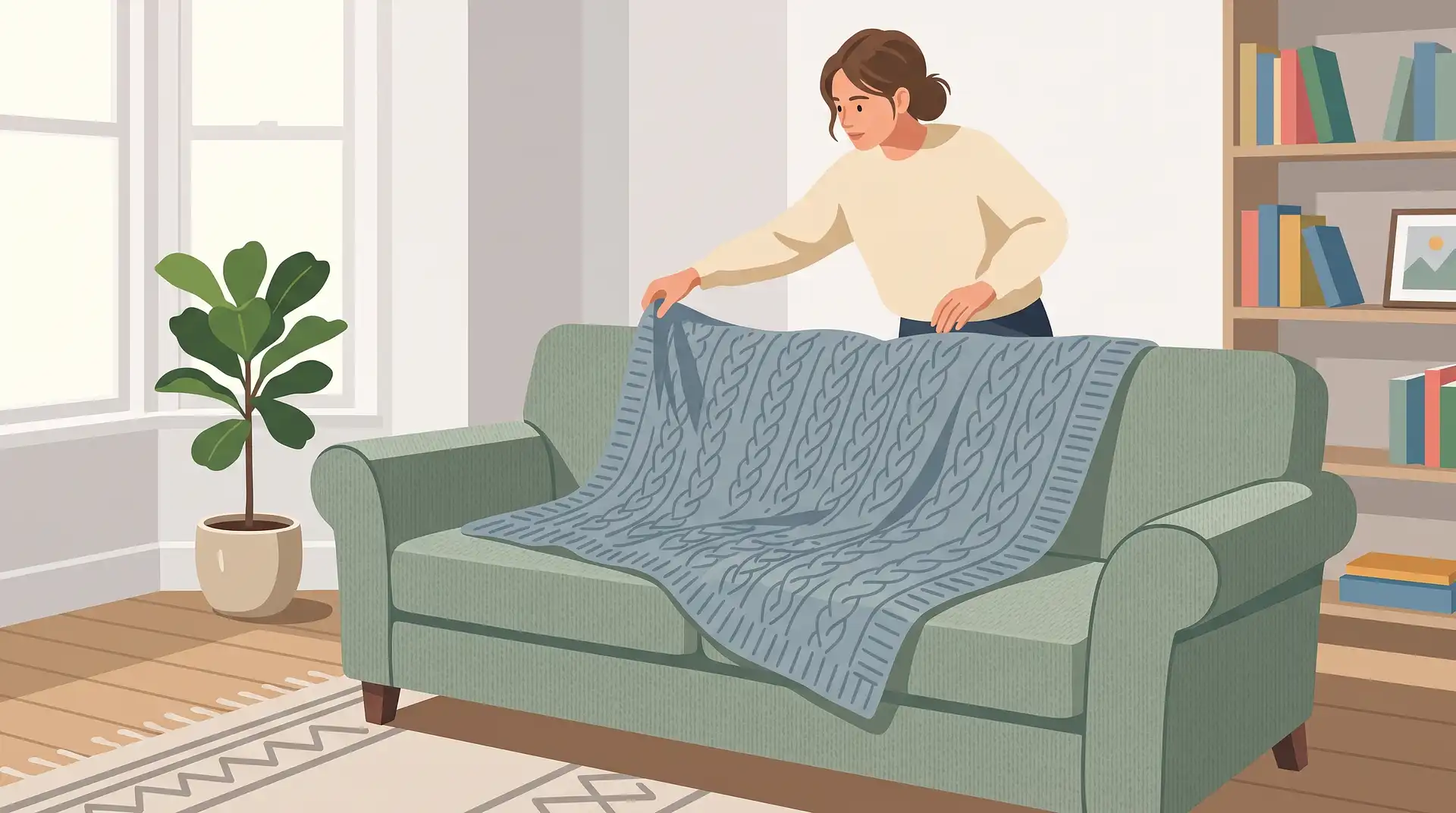
Quick Answer Drape the throw evenly over the back of the sofa first, then pull it down over the seat cushions so it covers the areas most exposed to spills and daily wear. Tuck the excess fabric into the creases between the cushions and the arms to stop it slipping when someone s…
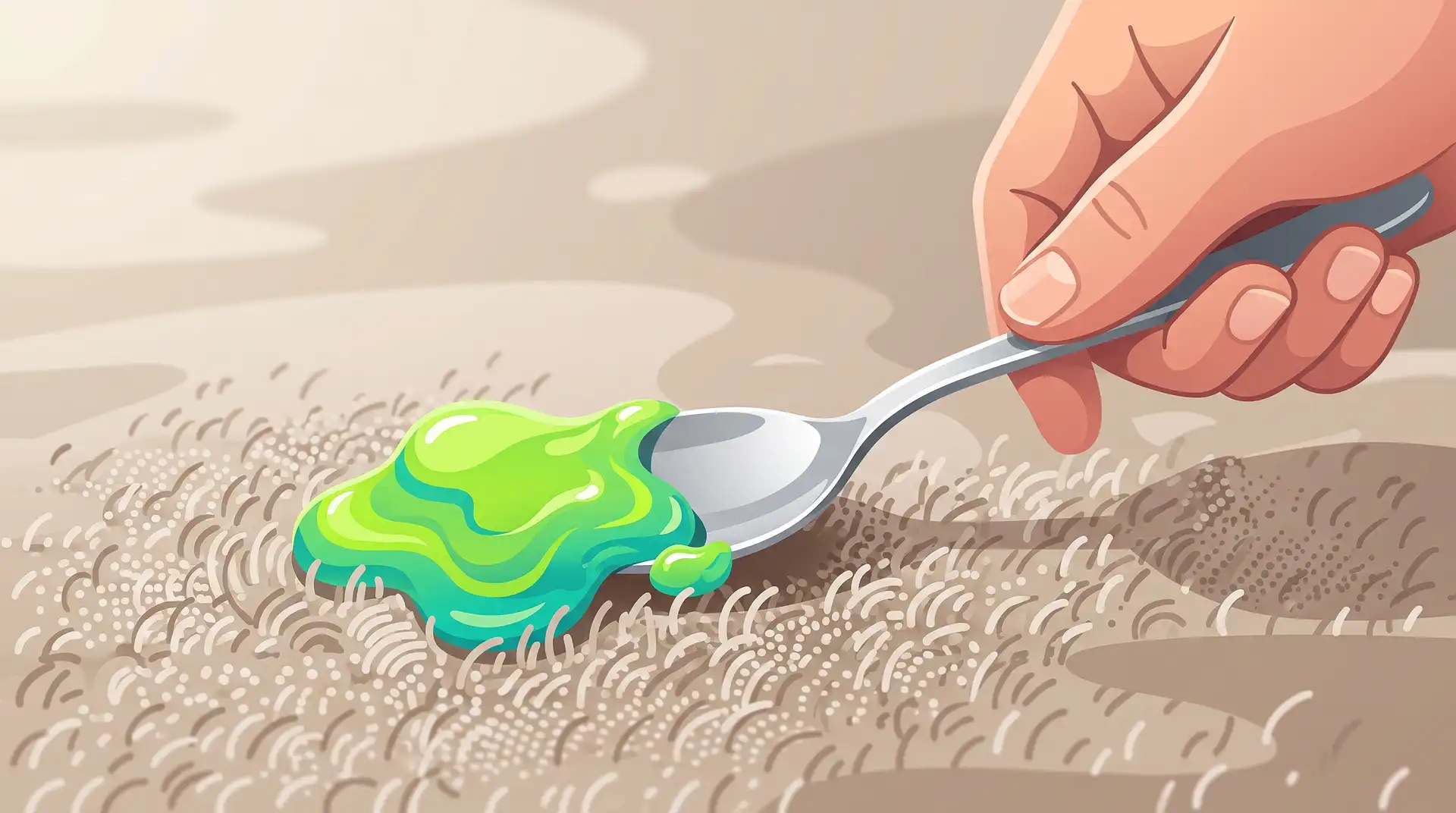
Quick Answer Scrape off as much excess slime as possible with a spoon or the edge of a card, working from the outside of the mark inward so you do not spread it further. Mix a few drops of dish soap into a cup of warm water and apply it to the area with a cloth, then blot, do not…
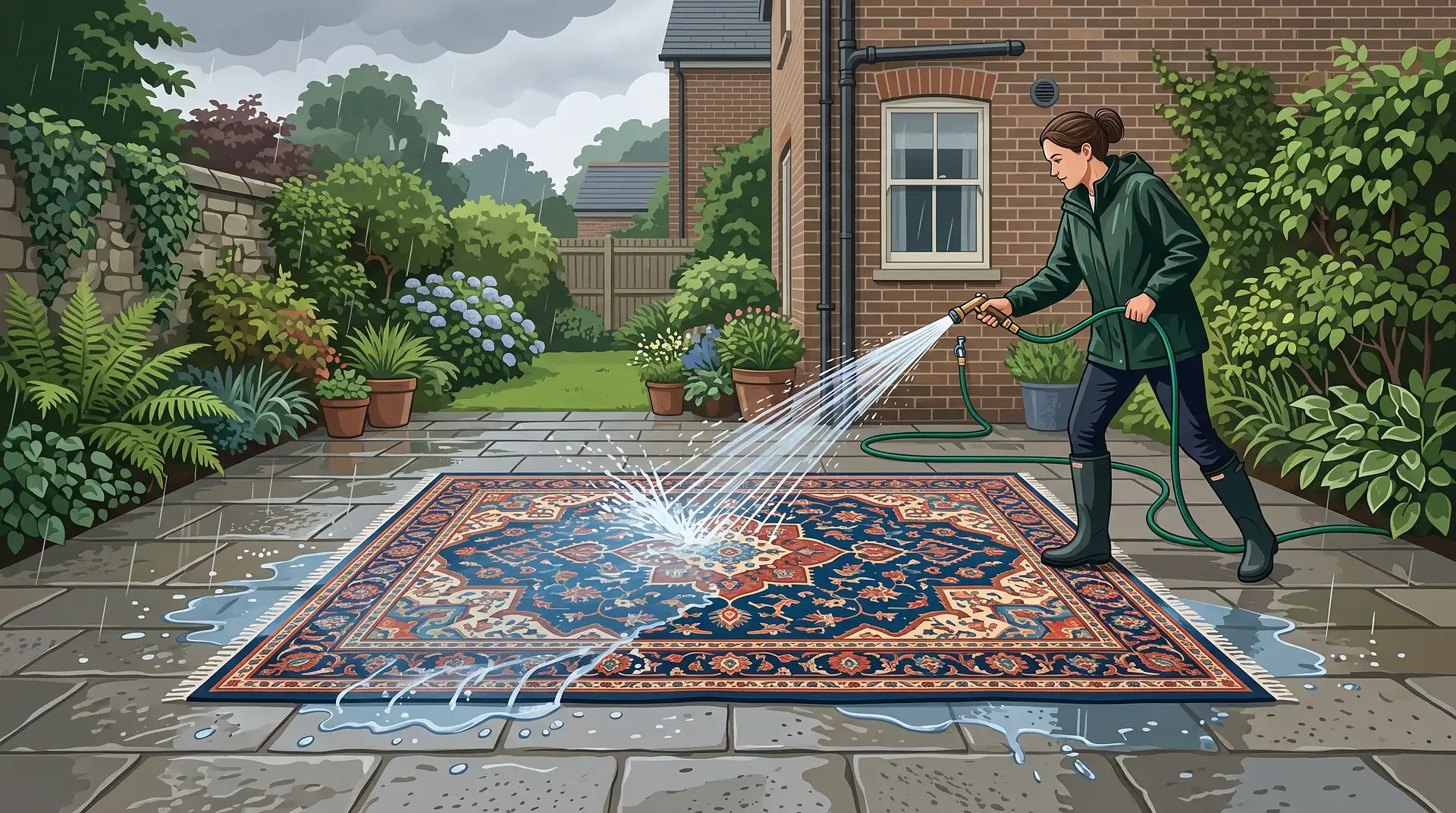
Quick Answer Shake off loose dirt and vacuum both sides of the rug, then hose it down thoroughly on a dry day. Mix a small amount of mild detergent with water for general dirt and spot clean stains by blotting, not rubbing. For mould or mildew, use a diluted white vinegar solutio…
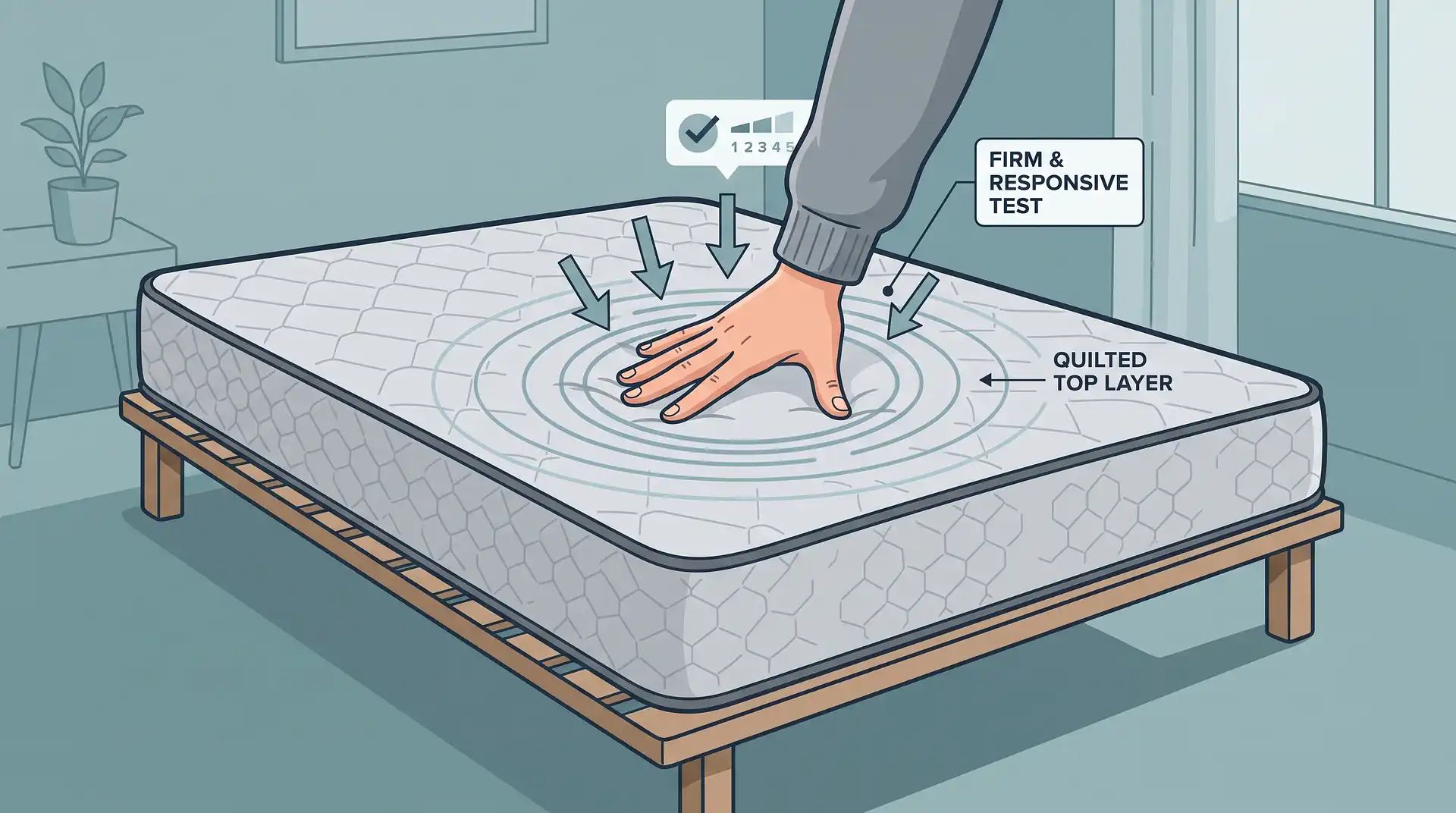
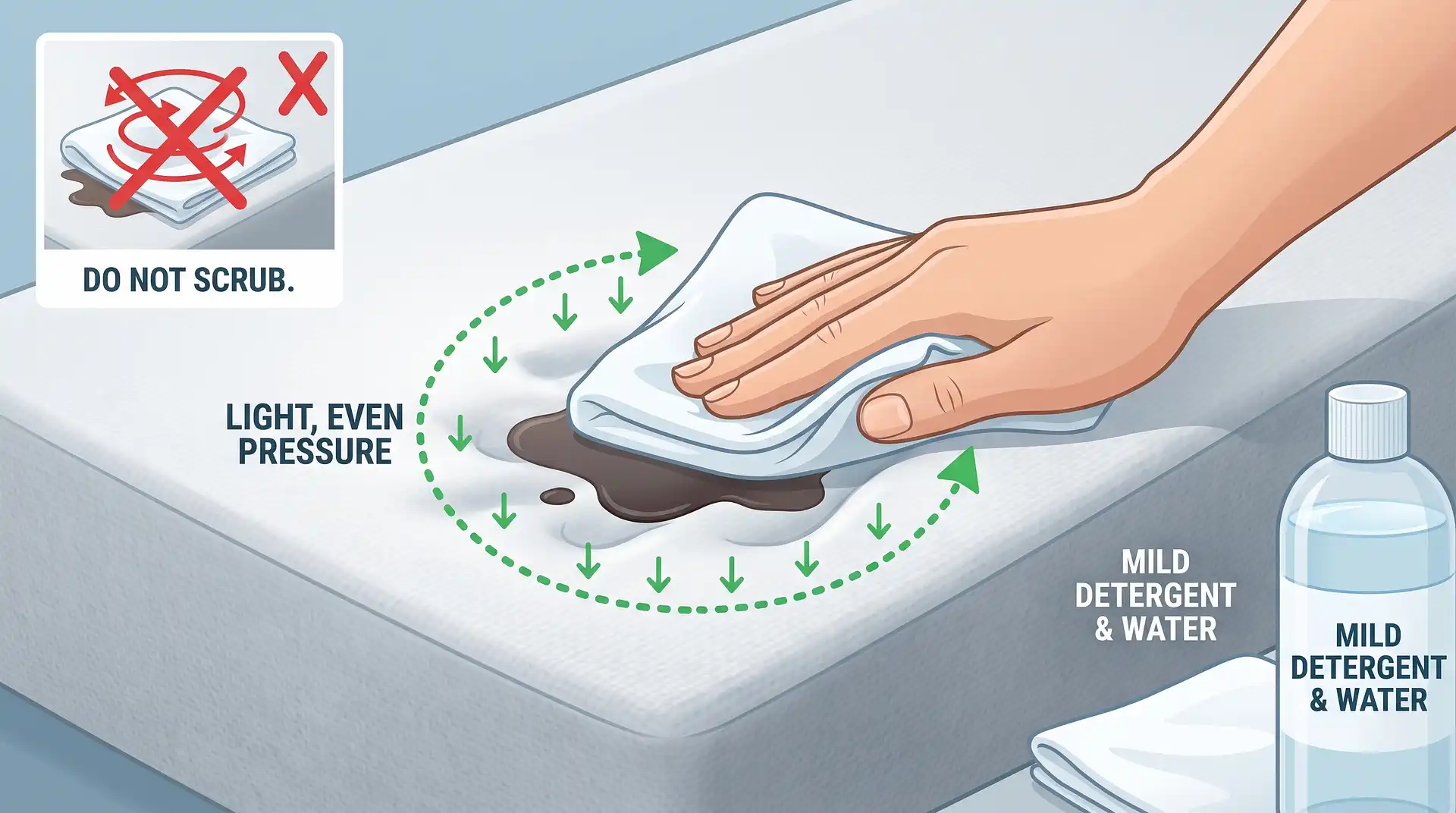
Quick answer Vacuum the surface first, then spot clean stains with a small amount of mild detergent in cold water, blotting rather than rubbing. Sprinkle bicarbonate of soda over the whole surface for odour, leave it for several hours, then vacuum it off. Never soak memory foam a…
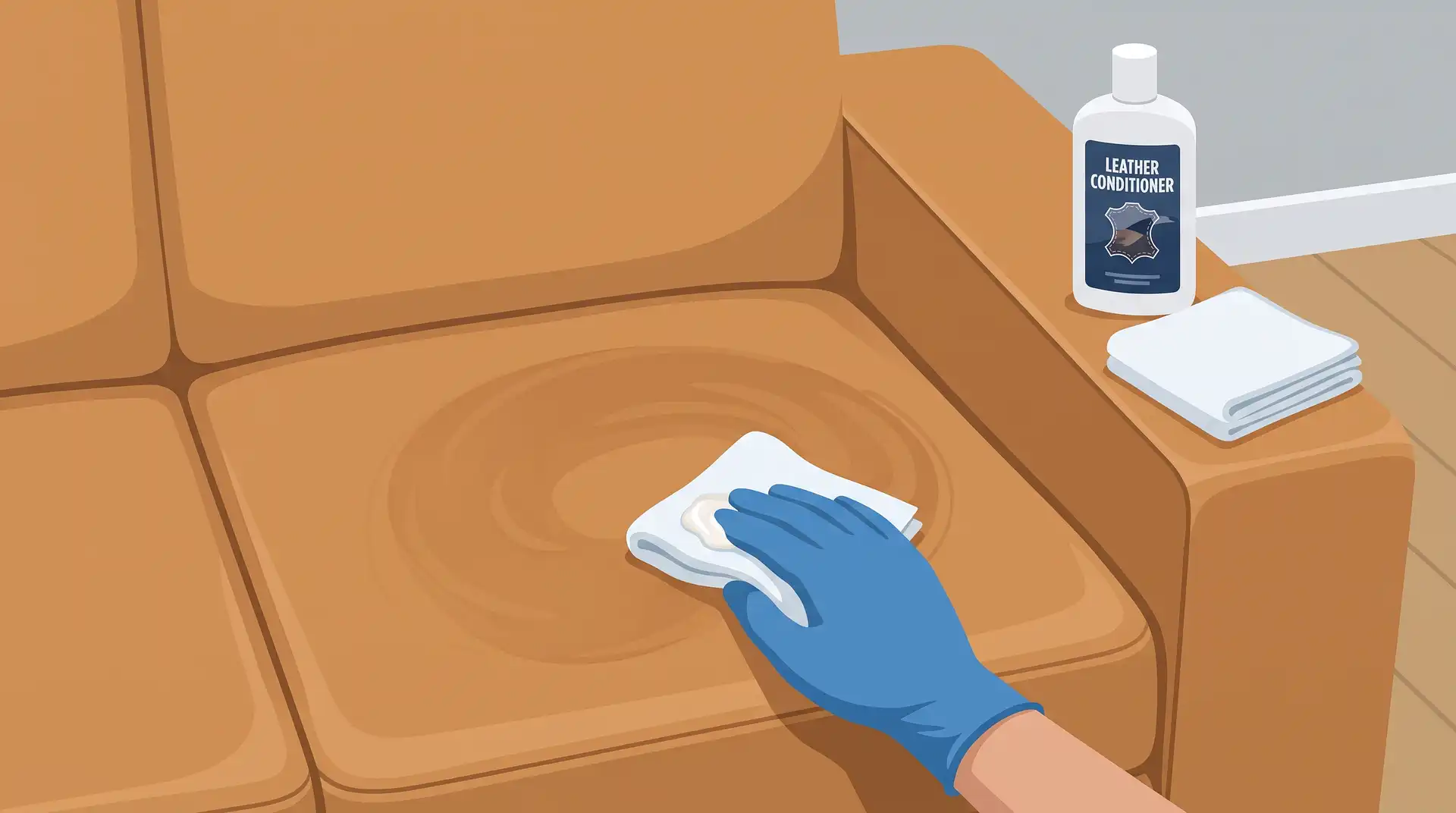
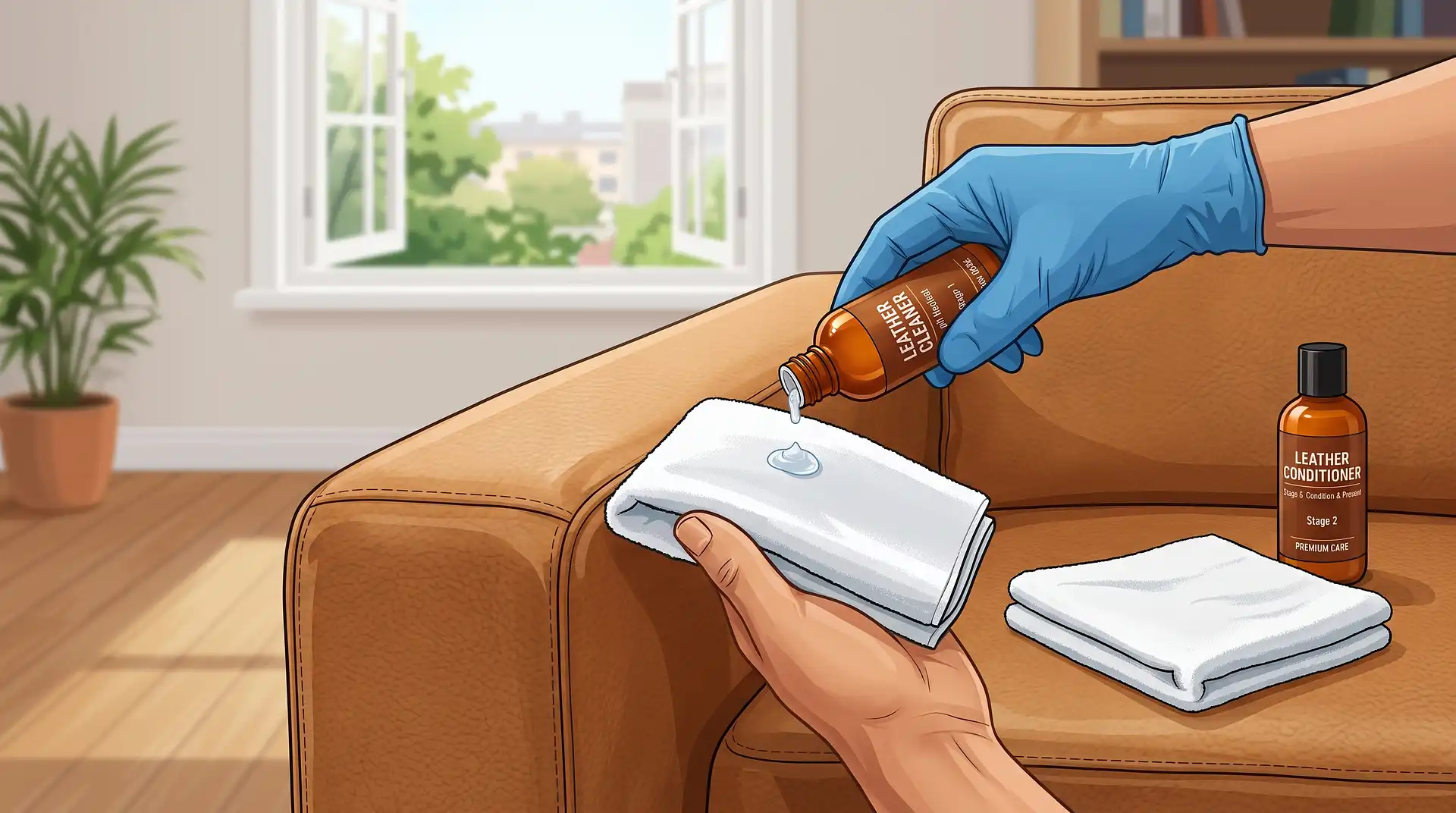
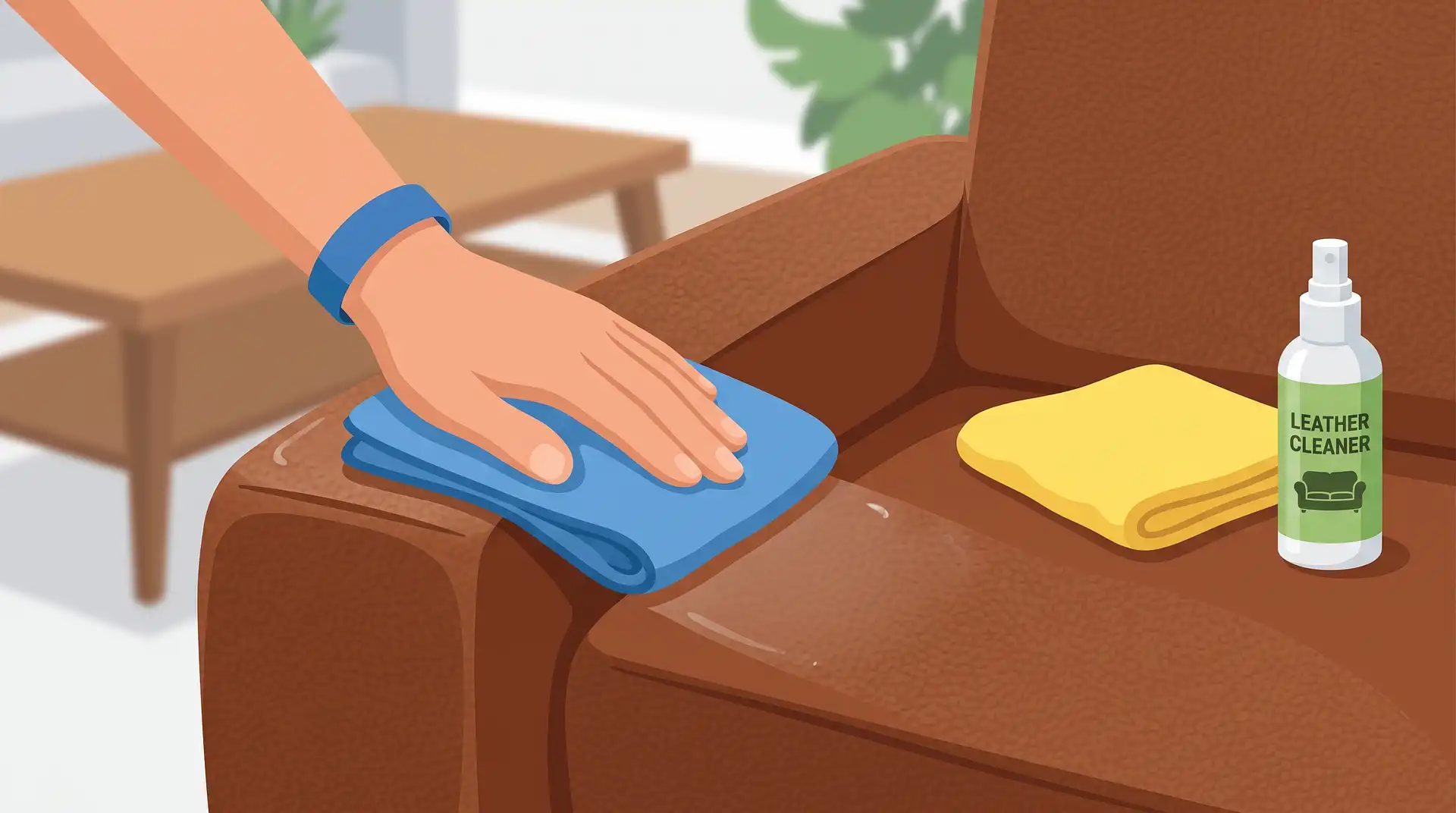
Quick answer: Most leather sofas should be conditioned rather than polished in the traditional sense. A leather conditioner restores the oils that daily use and central heating strip out, keeping the leather supple and preventing cracking. For a finish with some sheen, a dedicate…
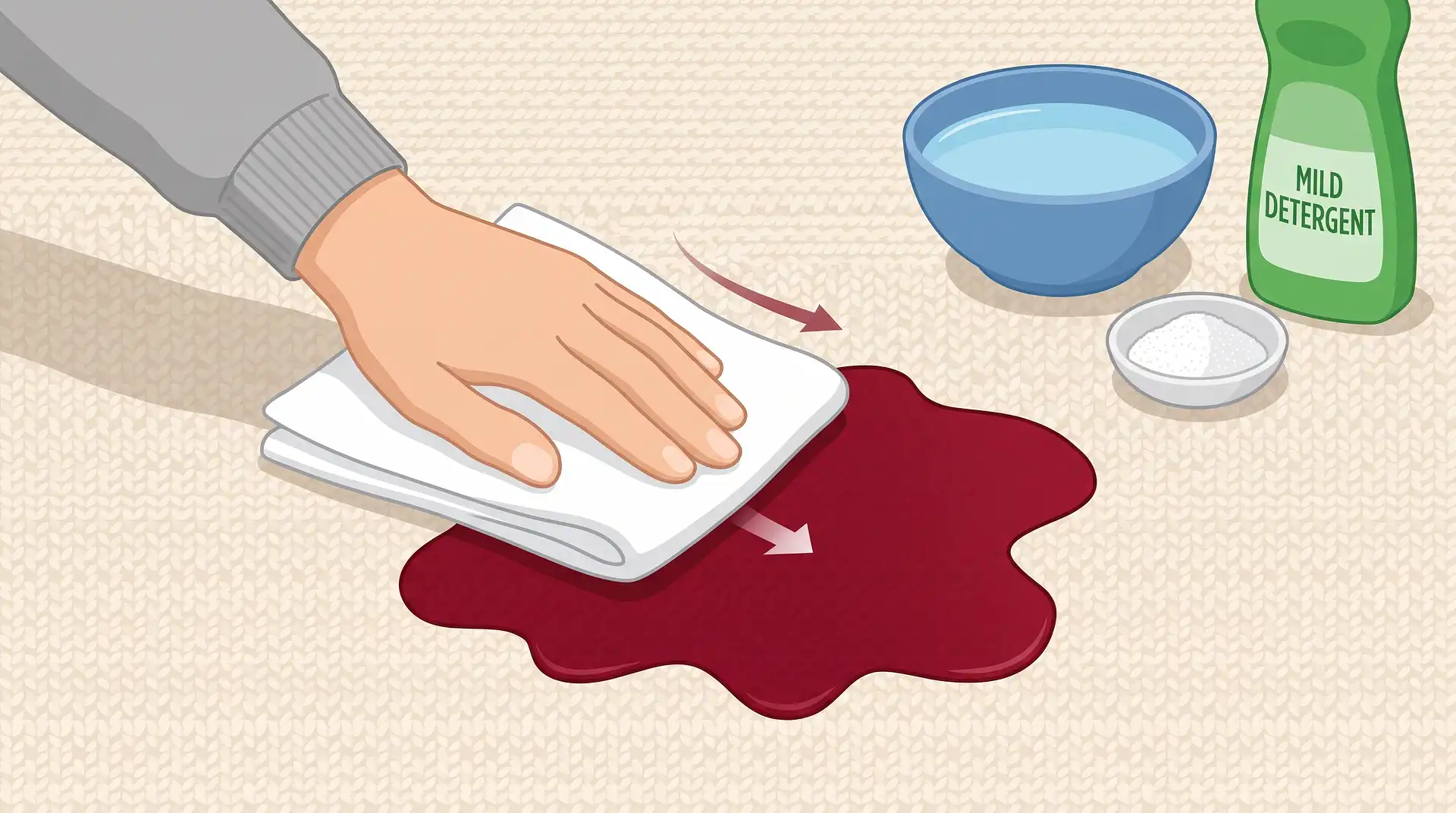
Quick answer: Blot immediately with a dry white cloth from the outside in — never rub. Apply cold water sparingly to a cloth and dab to dilute, but don't pour water directly on the stain. Follow with a mild detergent solution on a cloth, then rinse with a plain water cloth and bl…
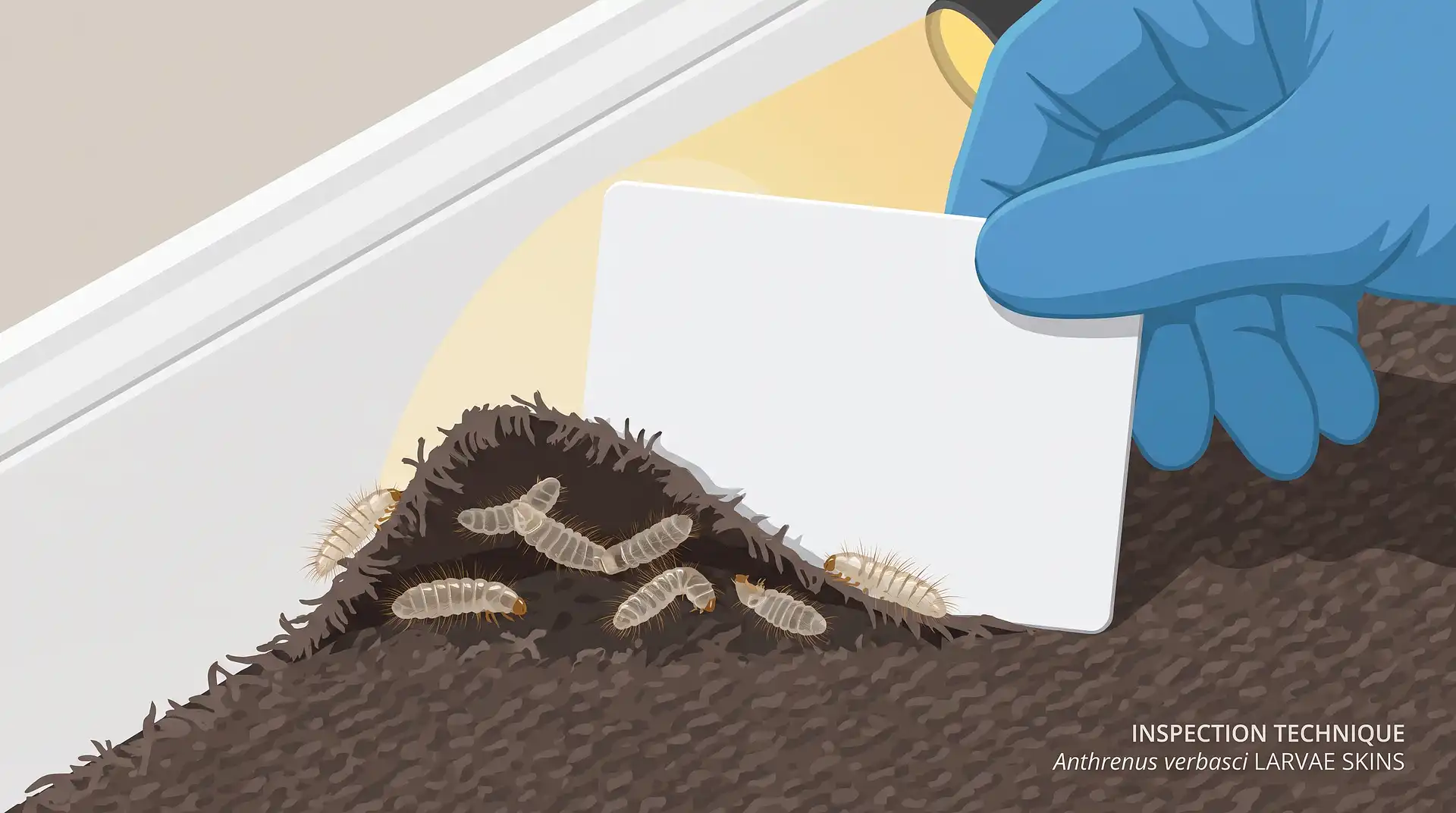
Quick answer: The adult beetles you spot on windowsills are not the problem — they don't eat fabric. The larvae are the problem, and they're hidden in dark, undisturbed areas that most DIY treatments miss. Start by finding the larval source: edges of carpets, under furniture, ins…
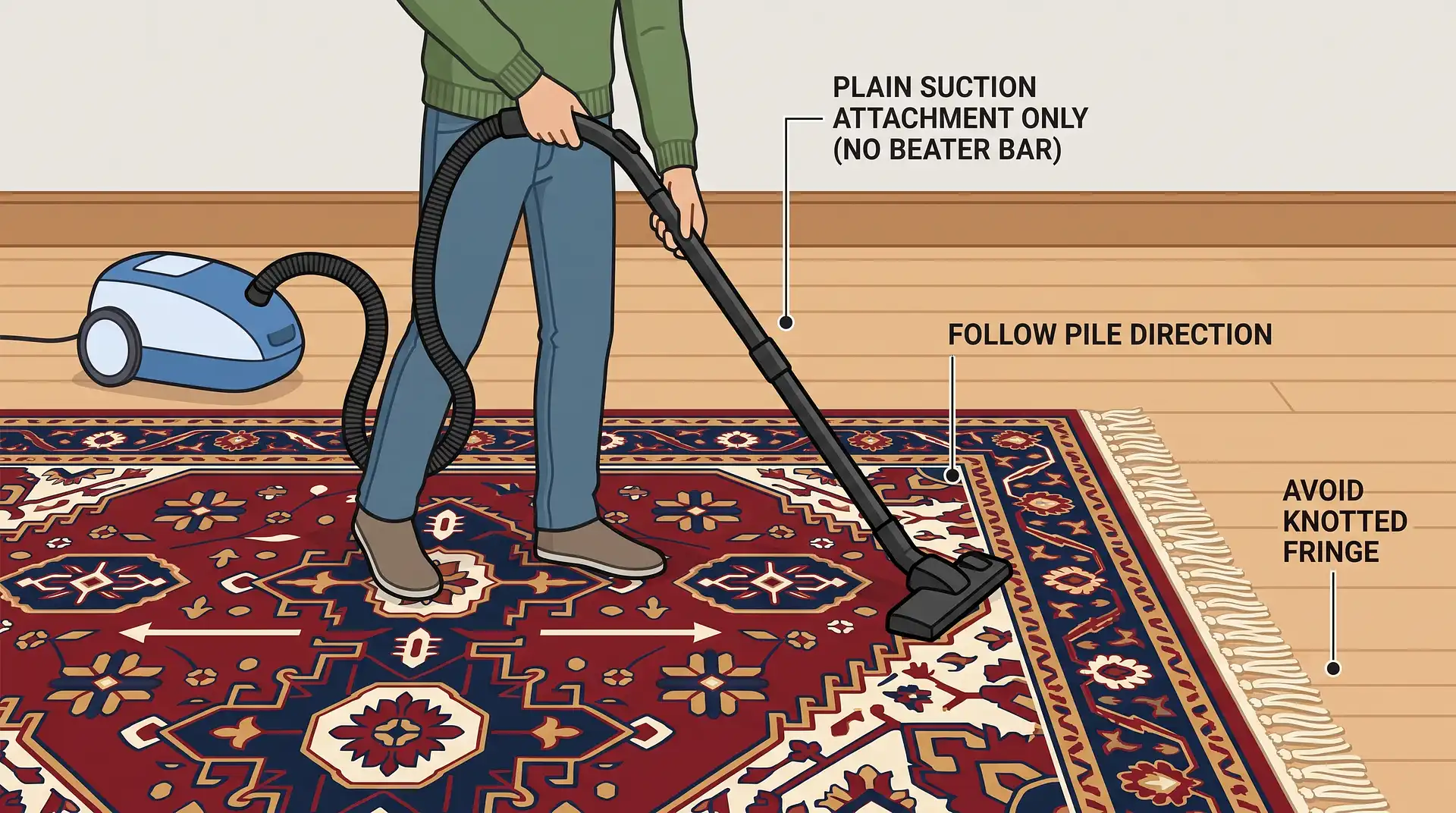
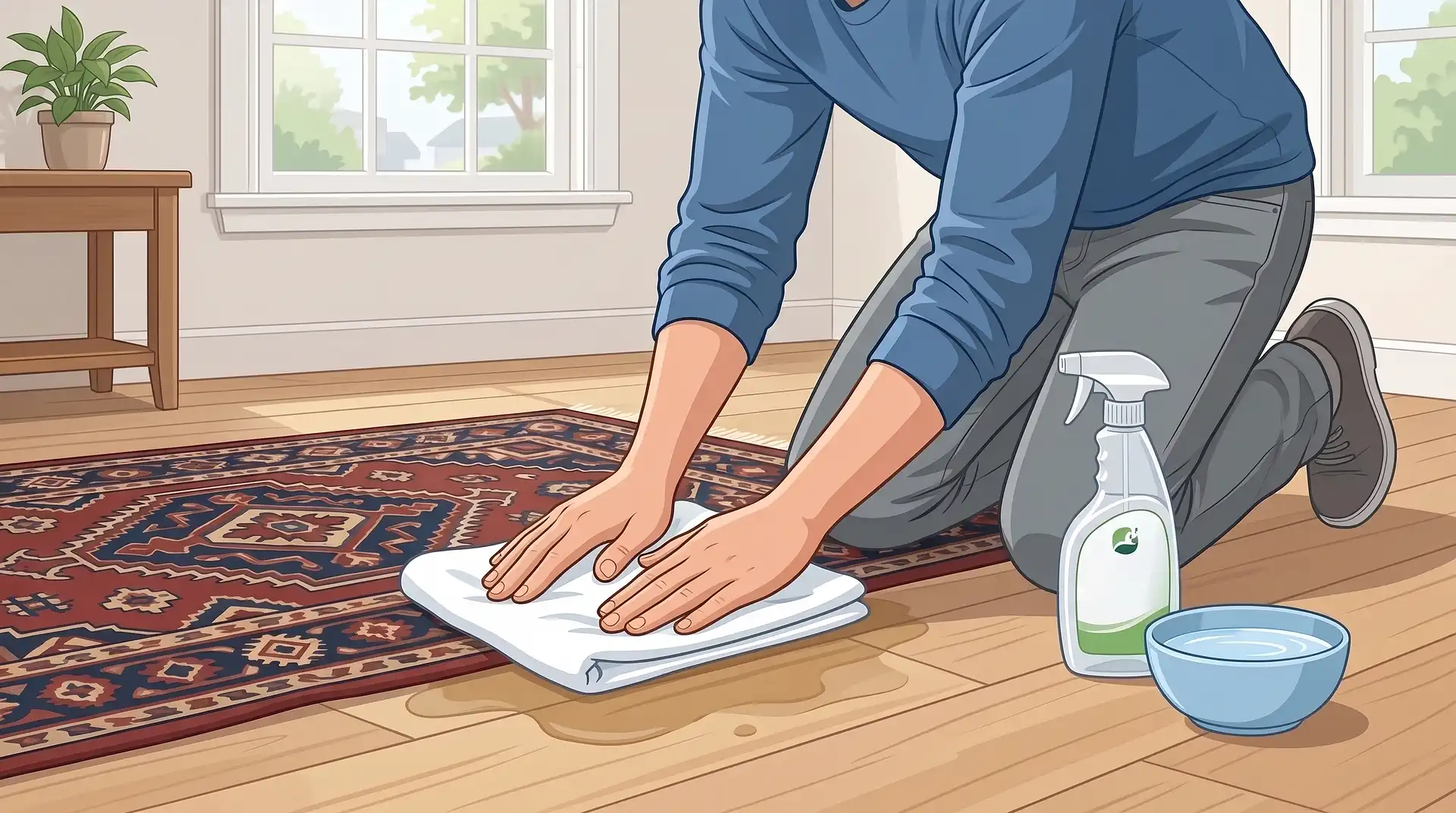
Quick answer: Most routine care for a Persian rug is safely done at home: regular vacuuming with suction only following the pile direction, prompt blotting of fresh spills, airing outdoors and protecting from direct sunlight. Before any wet cleaning, test colour fastness on a hid…
Quick answer: Keep moisture away from sisal wherever possible. Vacuum regularly with suction only — no beater bar — working in multiple directions across the weave. For spills, blot immediately with a dry cloth and remove liquid without adding water. For a deep clean, dry cleanin…
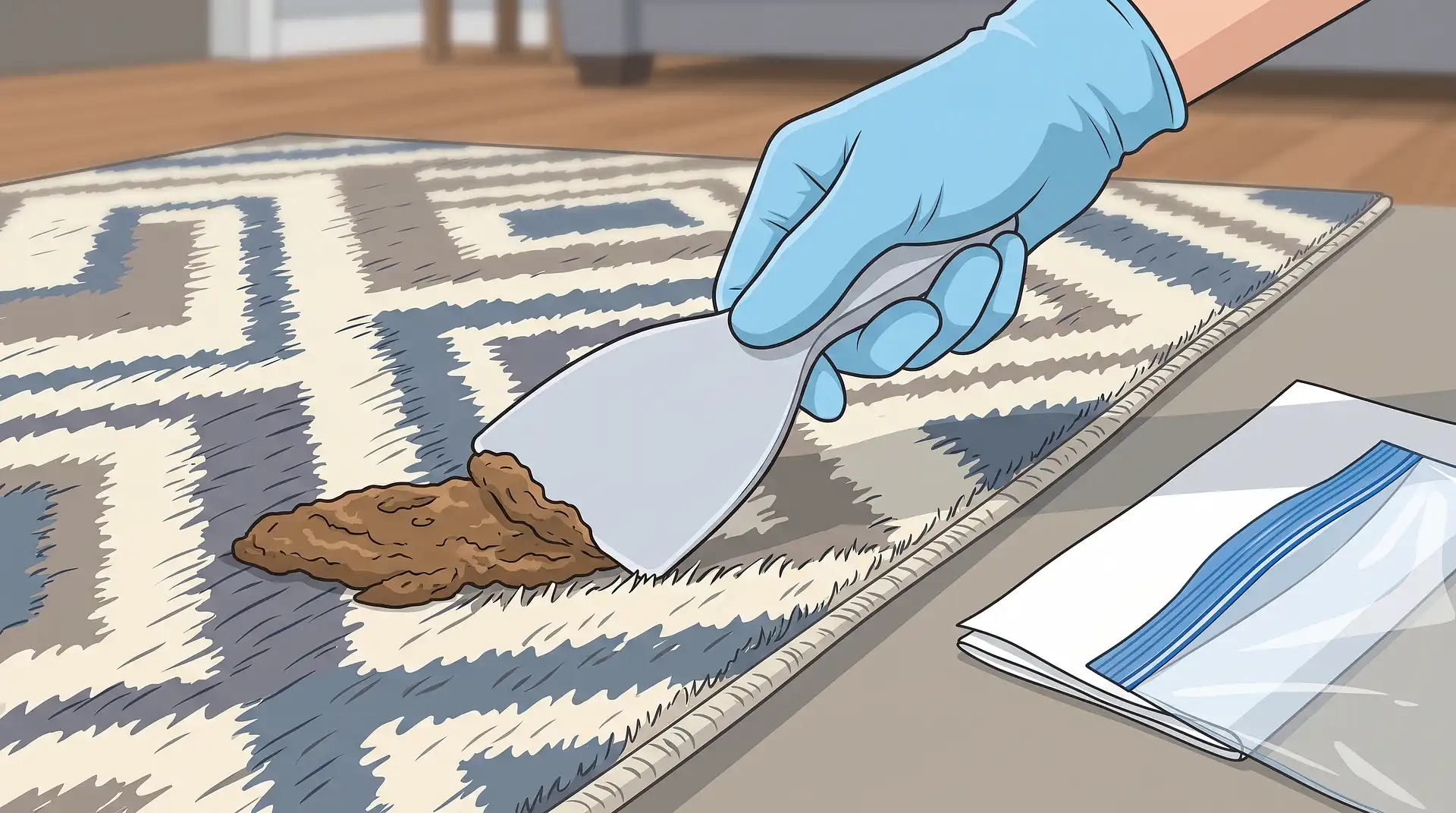
Quick answer: Gloves on before you touch anything. For fresh solid poop, remove as much as possible with a plastic scraper or folded paper towel without pressing it into the pile, then treat the stain with cold water and mild detergent on a cloth. For diarrhoea, counterintuitivel…
Quick answer: A Tempur mattress typically lasts 10 to 15 years in the UK with proper care, longer than most standard memory foam and the majority of spring mattresses. Tempur UK provides a 10-year Quality Guarantee on its mattresses. That guarantee covers manufacturing defects an…
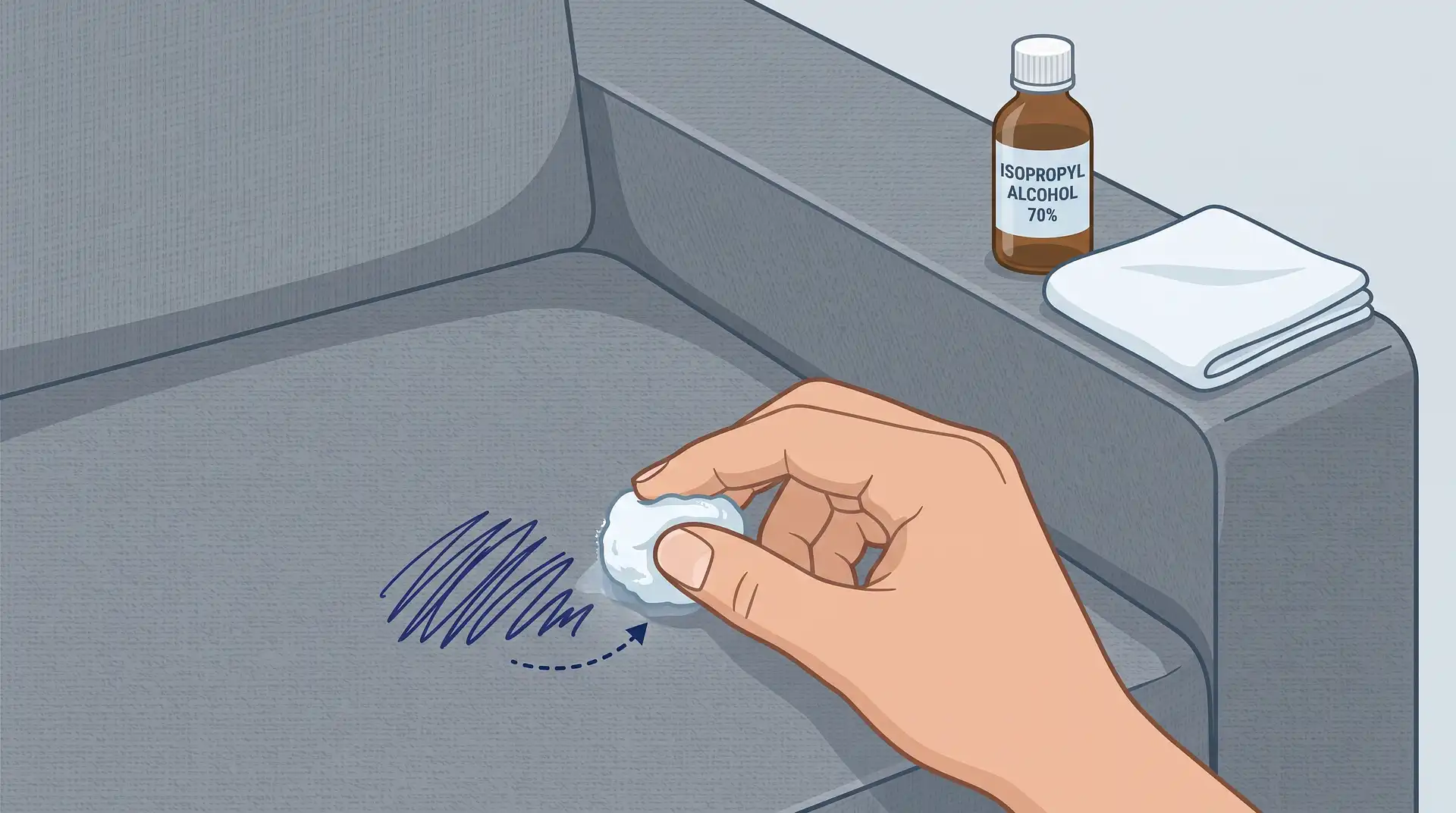
Quick answer: Identify the ink type before reaching for anything. Ballpoint pen ink is oil-based — it doesn't dissolve in water and needs isopropyl alcohol (surgical spirit) on a cloth, dabbed rather than rubbed. Felt tip and marker inks are usually water-based and respond to coo…
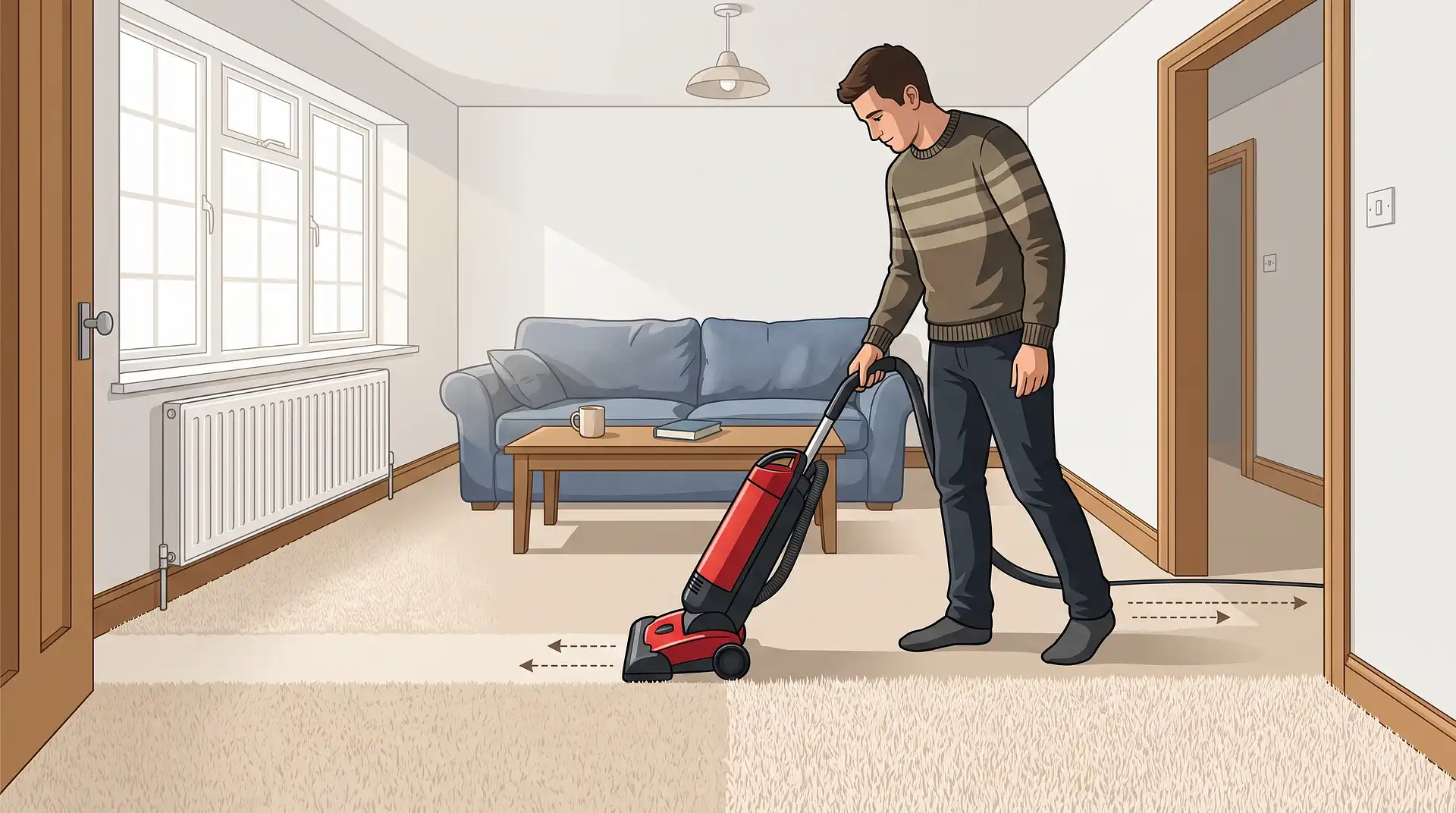
Quick answer: Vacuum first, always, and vacuum in overlapping passes against and then with the pile direction to lift embedded soil rather than just surface debris. For stains, identify the fibre type and the stain type before reaching for any product — cold water for protein sta…
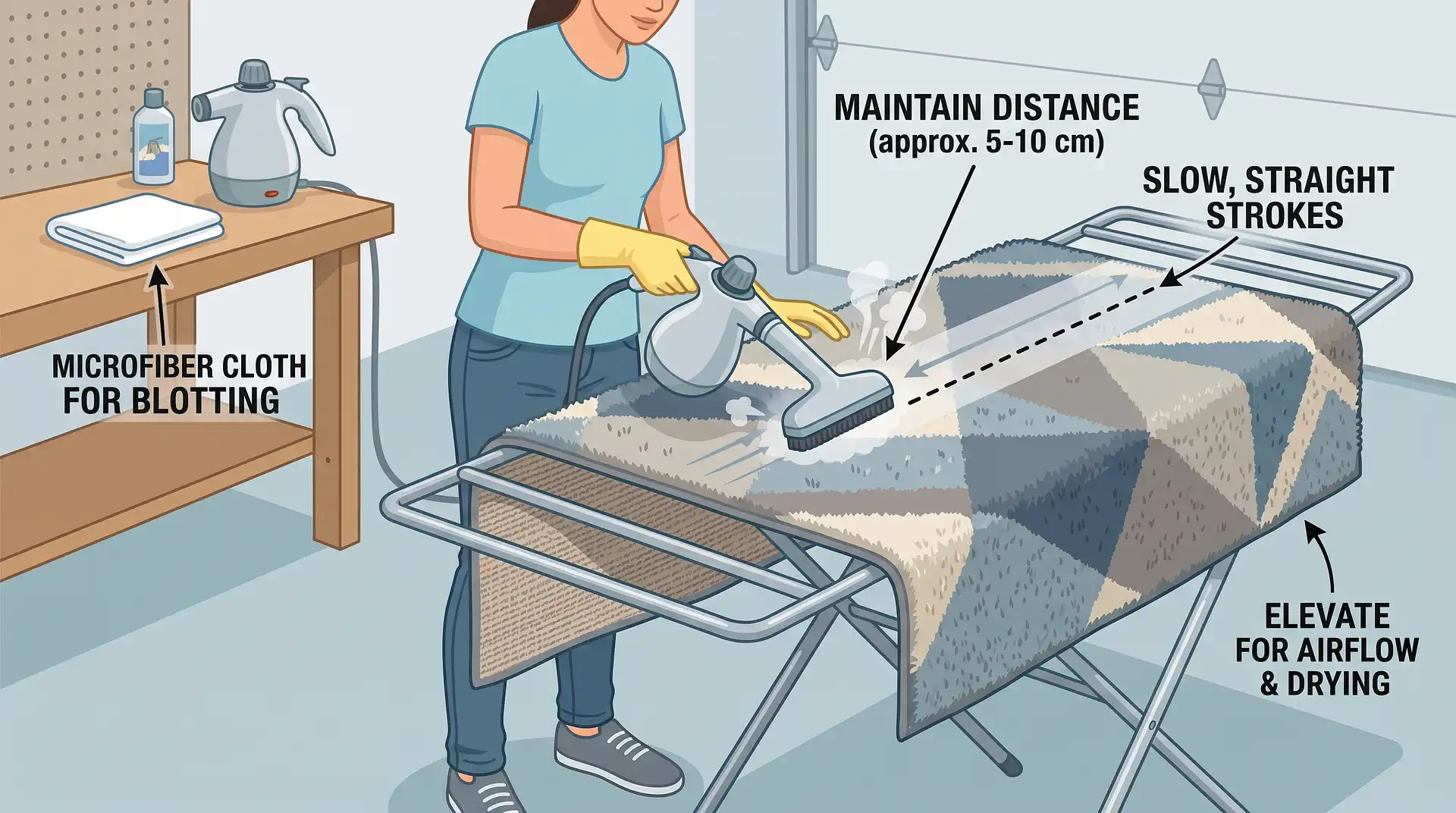
Quick answer: Check the rug's care label and fibre type before using any steam cleaner on it. Synthetic rugs (polypropylene, polyester, nylon) handle steam cleaning well. Wool rugs can tolerate it with care, but slow passes, maintained distance and no scrubbing agitation are esse…
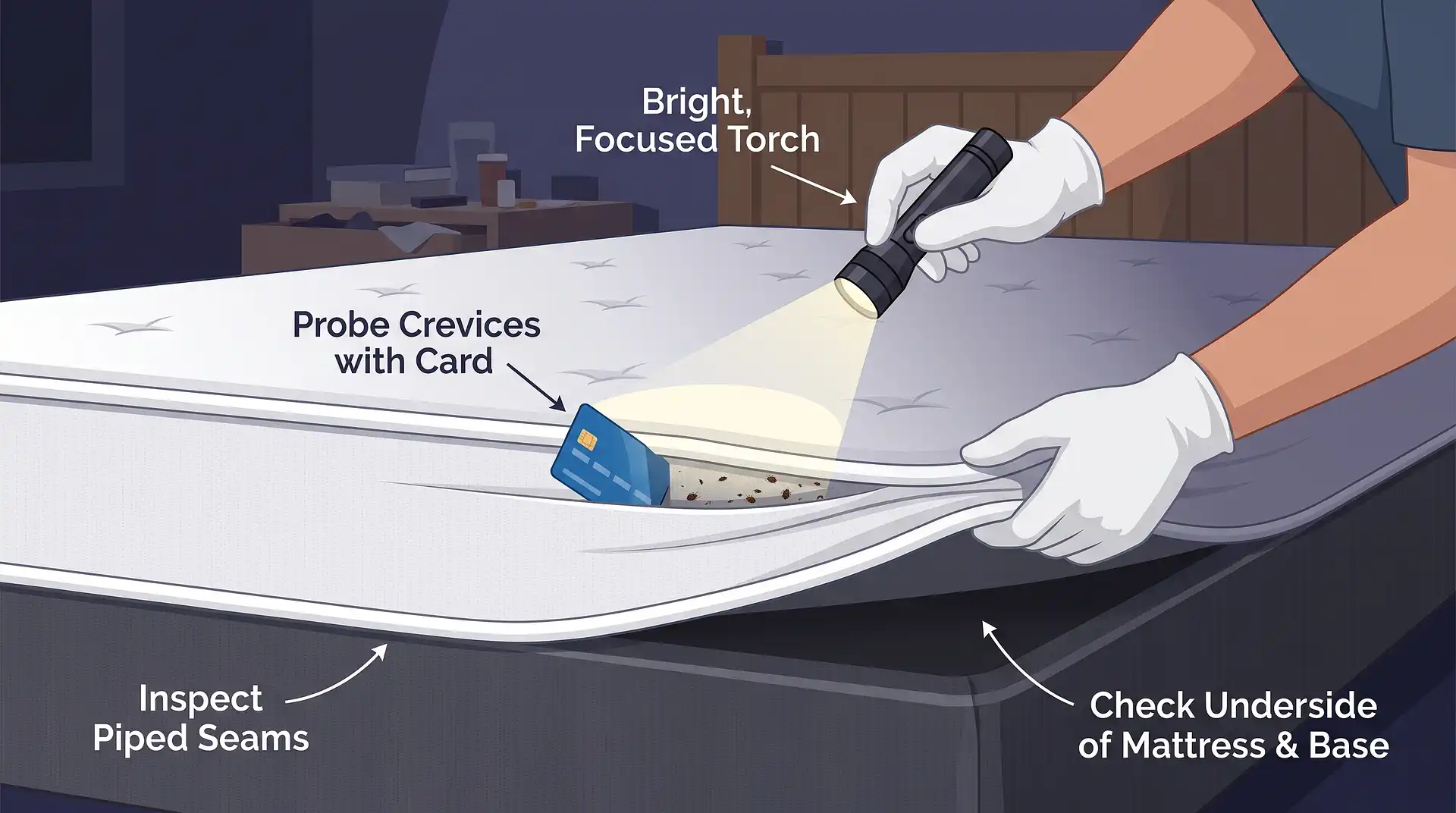
Quick answer: Check the mattress seams, piping, tags and the corners of the bed frame for small dark faecal spots, translucent shed skins, tiny pale eggs, or the bugs themselves. If you find evidence, strip the bed immediately and wash all bedding at 60°C or above. Vacuum the mat…
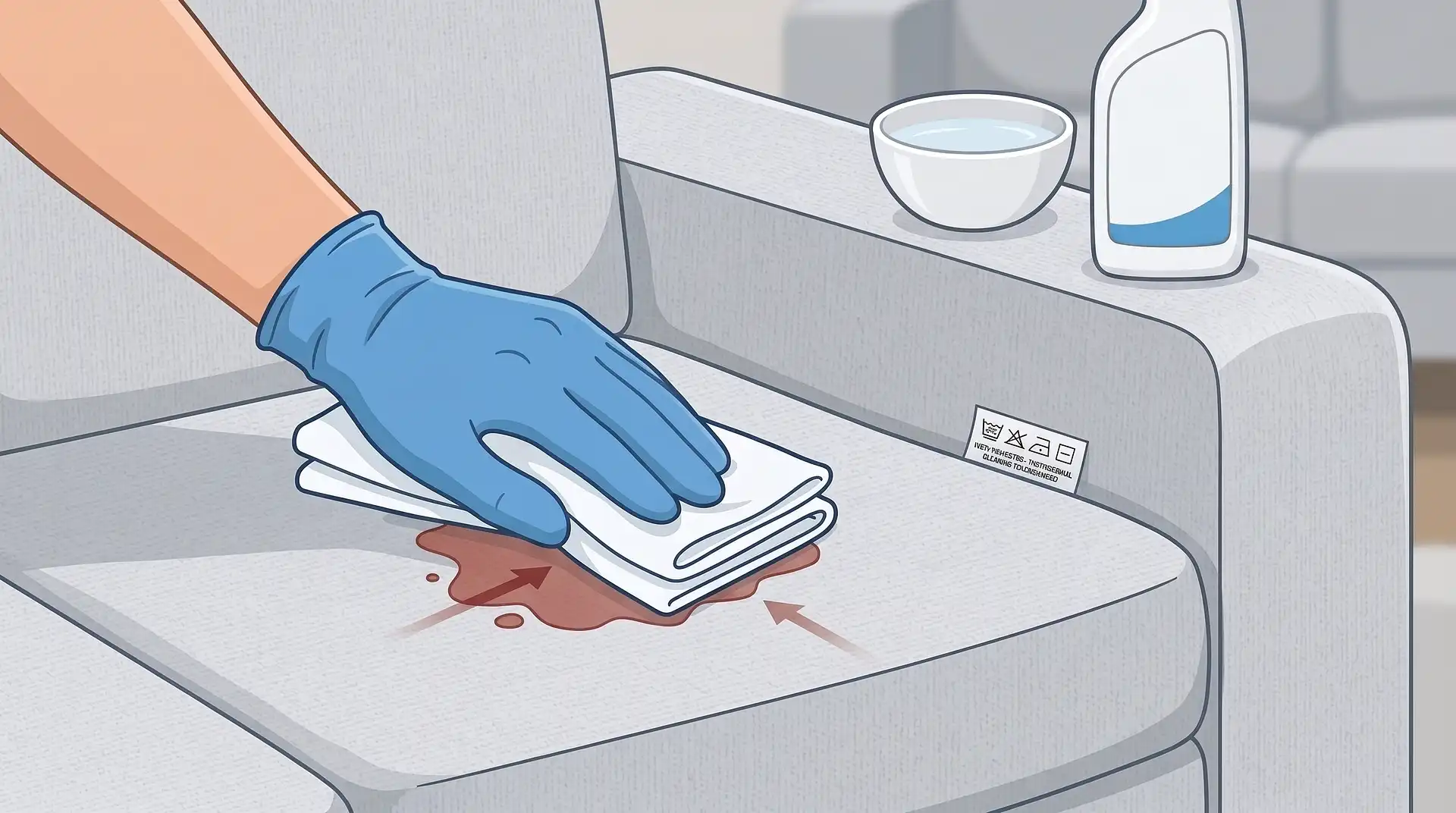
Quick answer: Put gloves on before touching the stain. Use cold water only — heat sets blood permanently into fabric. Check the cleaning code on the sofa label: W or WS means water-based cleaning is safe, S means solvent only. Blot with a dry white cloth from the outside in, then…
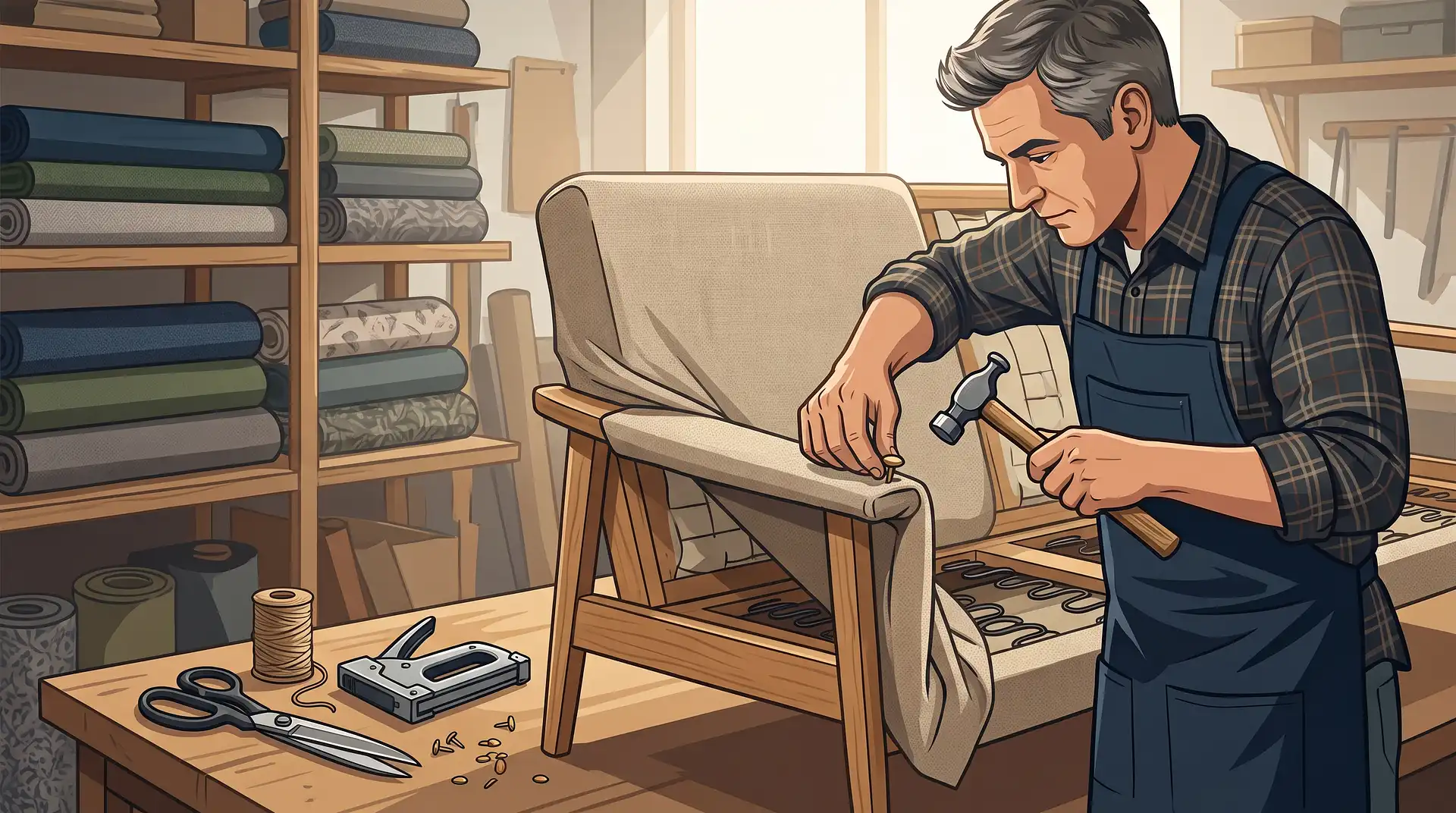
Quick answer: In the UK in 2026, reupholstering a two to three-seater sofa typically costs between £900 and £1,800 in total, covering labour and fabric. Labour alone from a reputable workshop usually starts at £650 to £900 for a standard two to three-seater. Fabric is on top and…
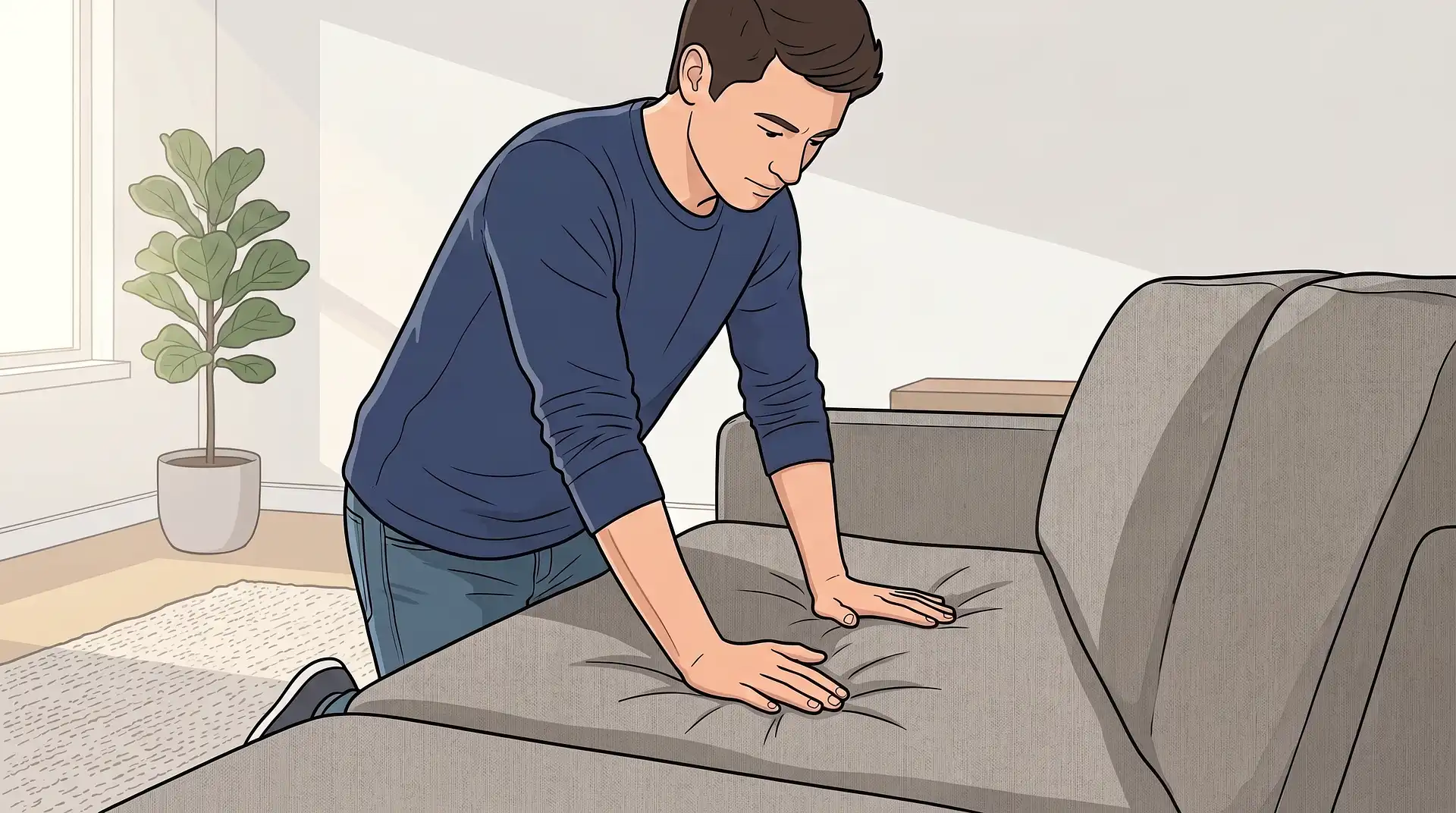
Quick answer: Most sofas last between seven and fifteen years, depending on build quality and how they're used. A hardwood-framed sofa from a quality manufacturer, properly maintained, can last twenty or thirty years. A budget sofa with a softwood or engineered board frame will o…
Quick answer: Keep moisture away from jute wherever possible. Regular vacuuming with suction only, shaking and airing outside, and bicarbonate of soda for odour are the basis of good jute care. For spills, blot immediately with a dry cloth and remove as much liquid as possible wi…
Quick answer: Never use a rotating brush head or beater bar when vacuuming — it pulls and breaks the long fibres. Use suction only with an upholstery attachment and vacuum the back of the rug first to dislodge trapped debris. Shake and beat outside regularly. For stains, blot imm…
Quick answer: Blot immediately with a dry white cloth, working from the outside in. Never rub, never use hot water and never put the rug in the tumble dryer. An enzyme cleaner is essential rather than optional — it's the only product that breaks down the uric acid crystals respon…
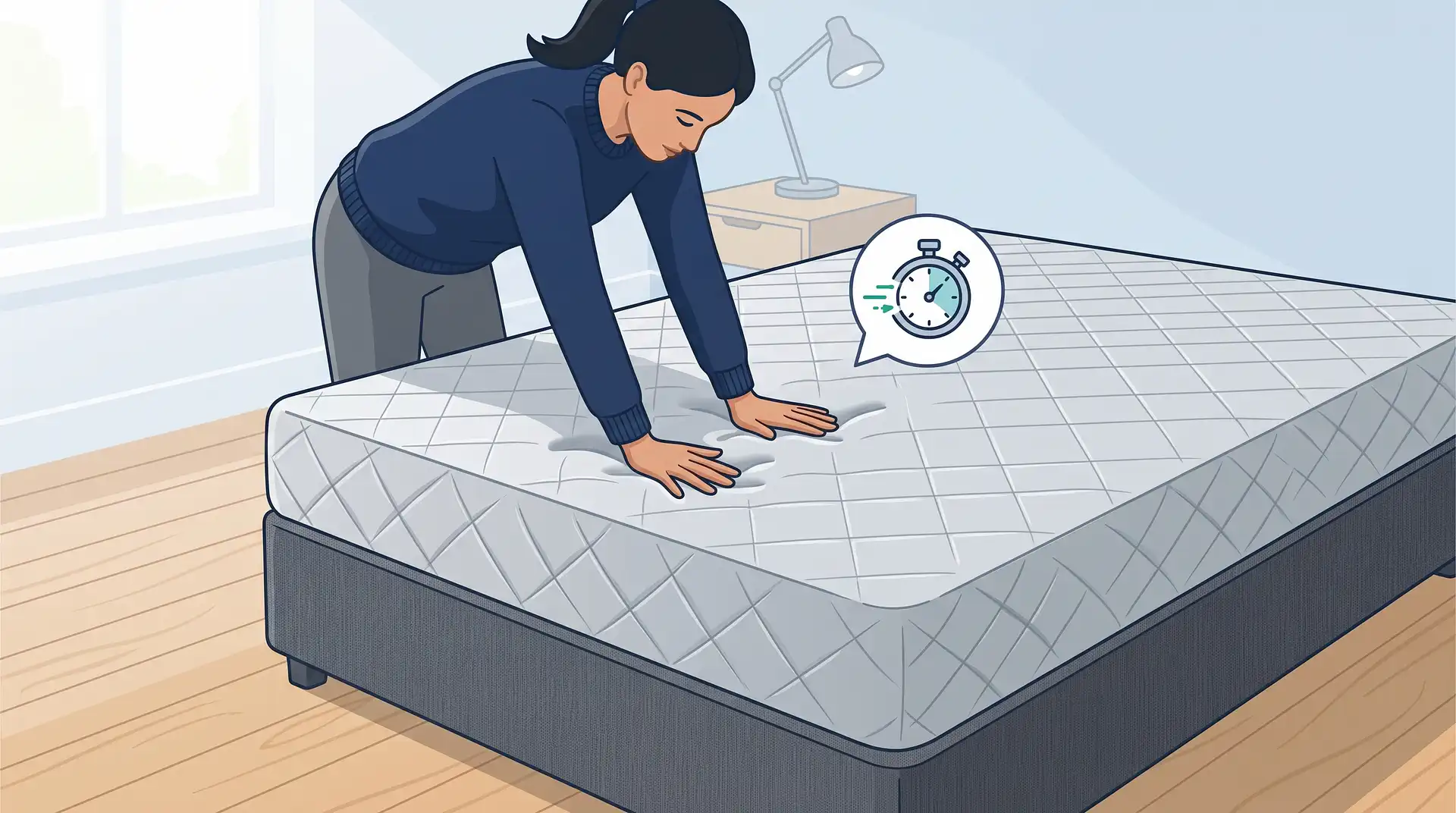
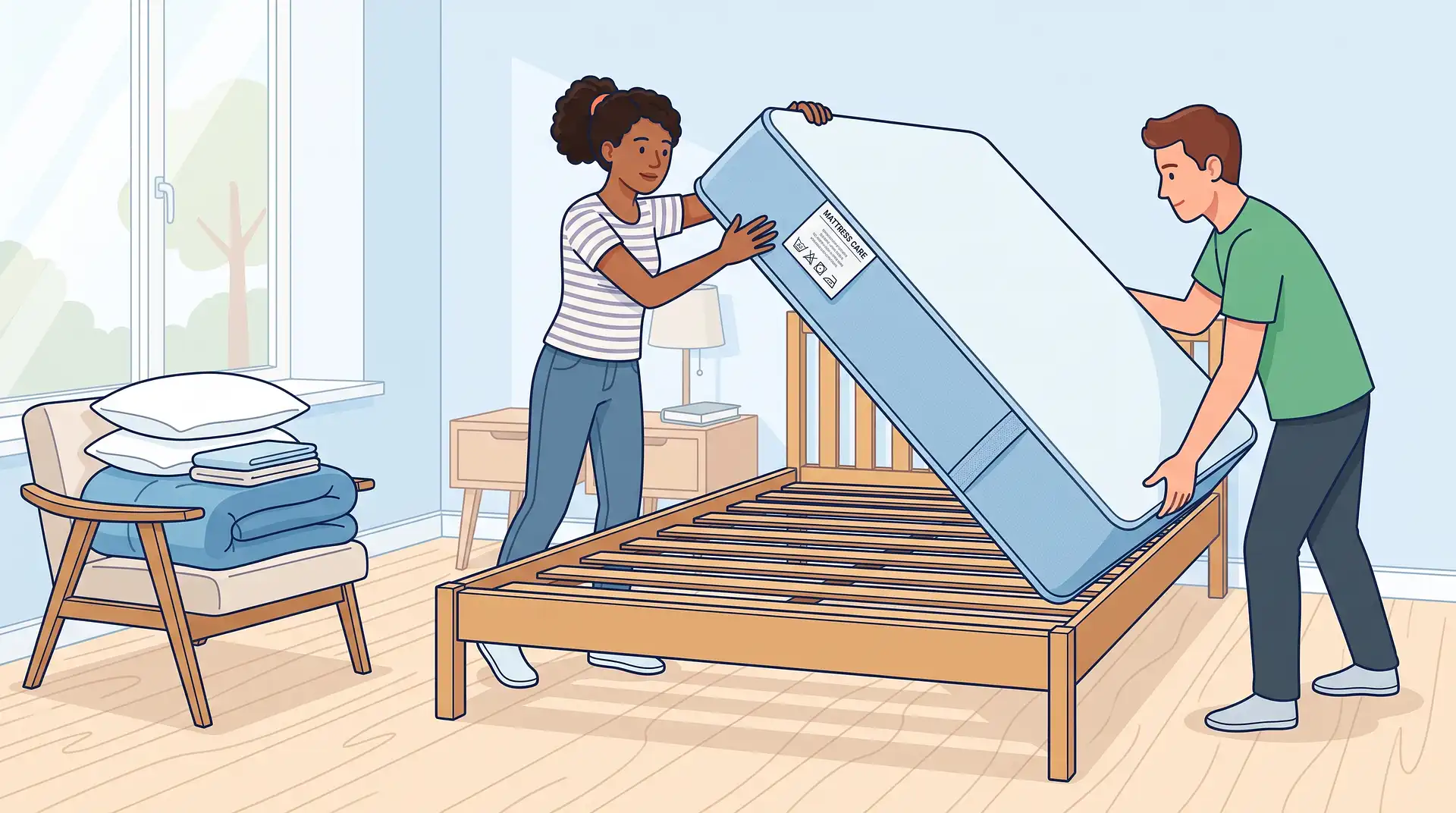
Quick answer: Most modern mattresses cannot and should not be flipped. Memory foam, latex, hybrid and most modern pocket sprung mattresses are one-sided: the comfort layer is on top and flipping it would leave you sleeping on the support core, which causes rapid deterioration and…
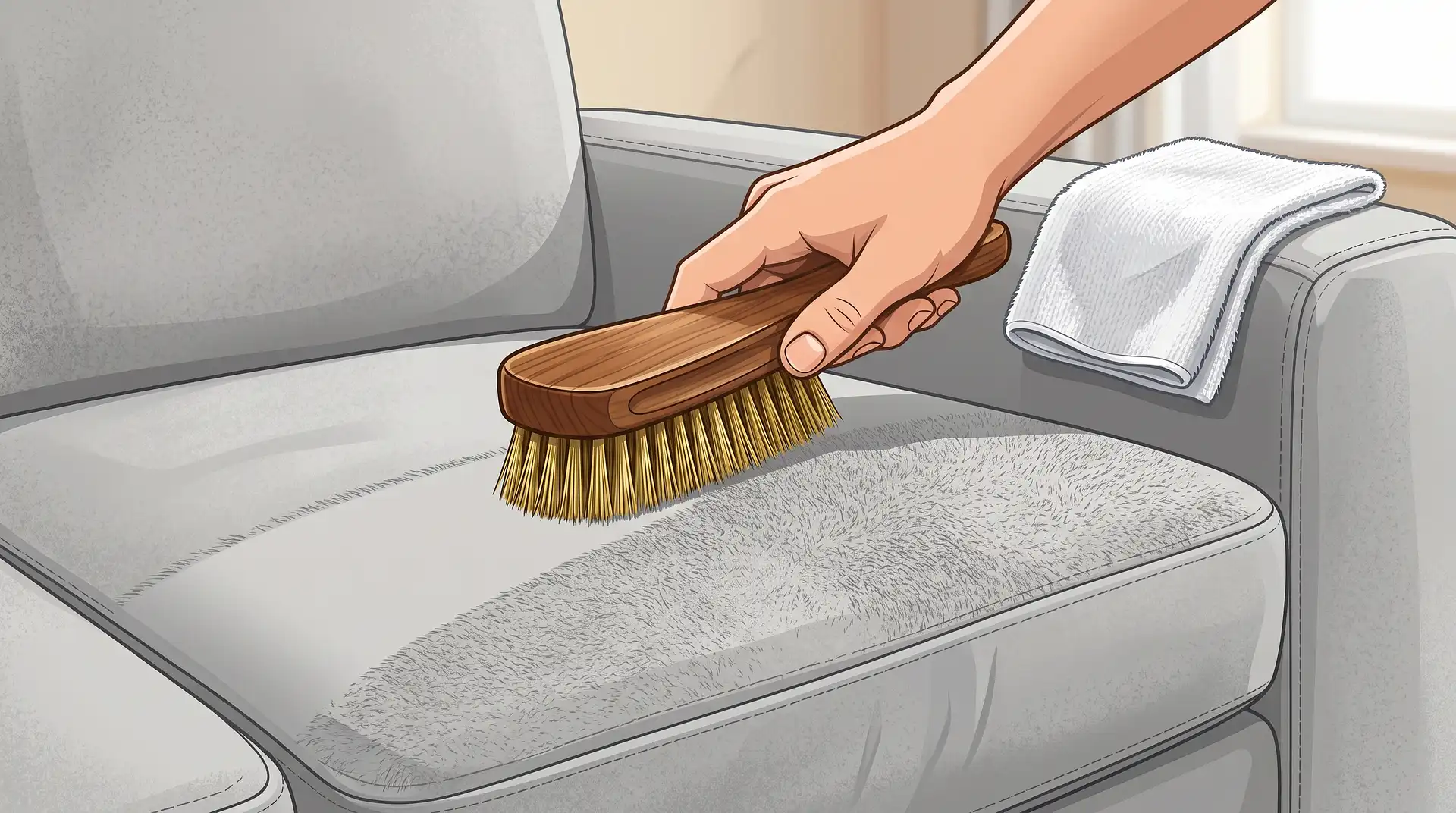
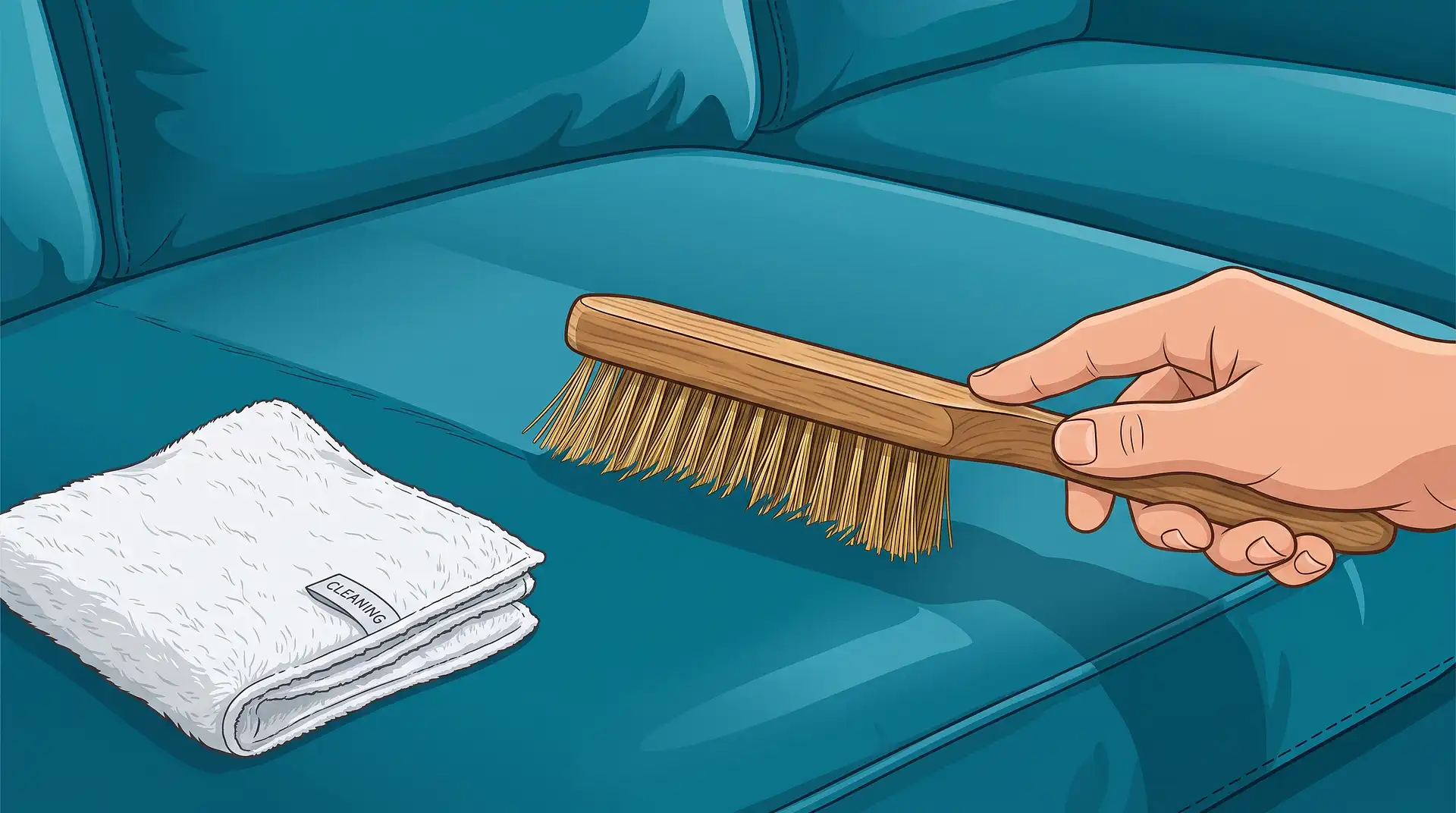
Quick answer: Check the cleaning code label and identify whether you have real suede or a synthetic microsuede before applying anything. A suede brush used regularly handles the majority of what a suede sofa needs. For stains, use a specialist suede cleaner or suede eraser, apply…
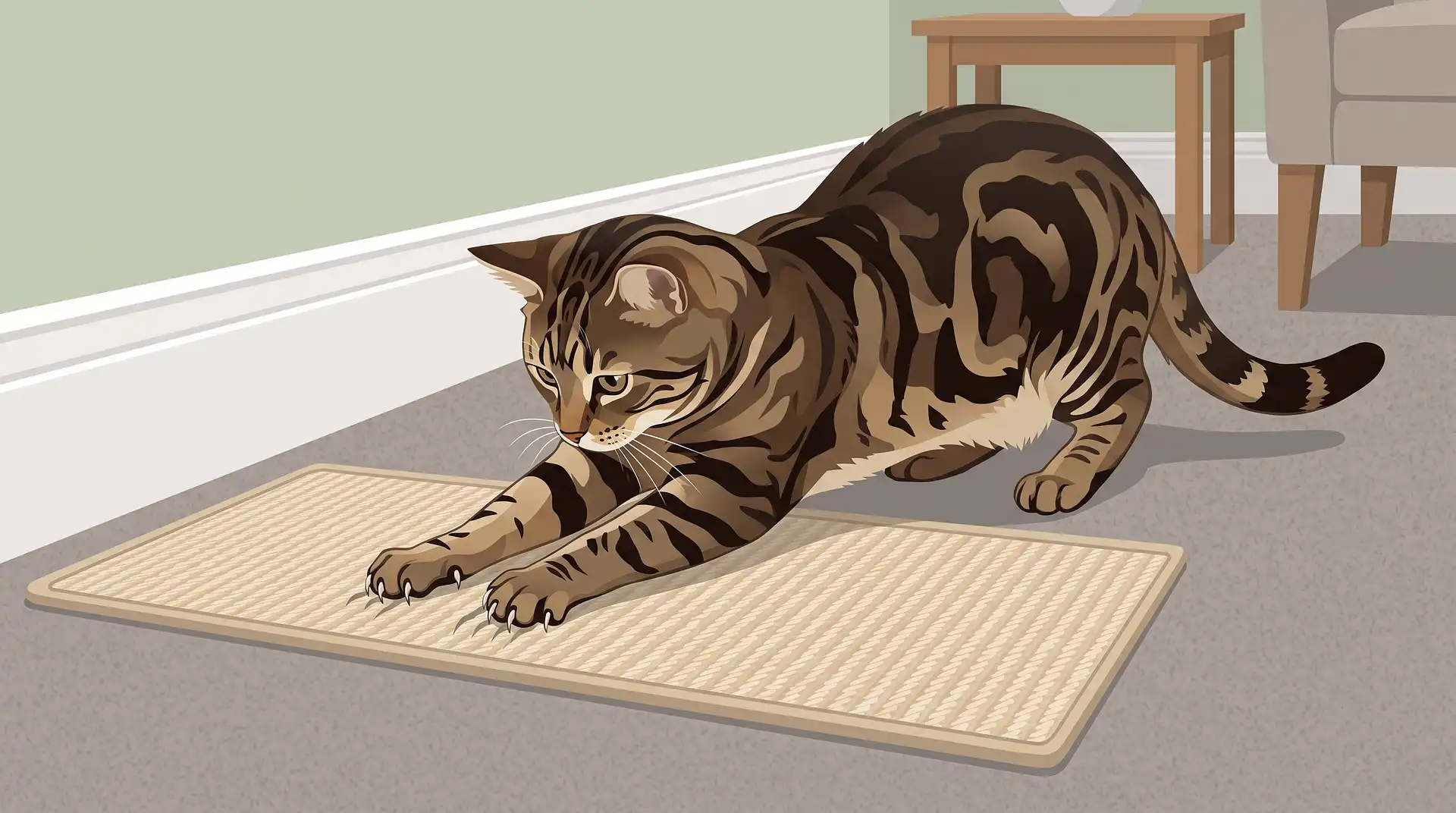
Quick answer: You cannot stop a cat from scratching. You can redirect where they scratch. The most effective approach is to provide a horizontal scratching pad, not an upright post, placed exactly where the cat already scratches. Add double-sided tape or a physical barrier over t…
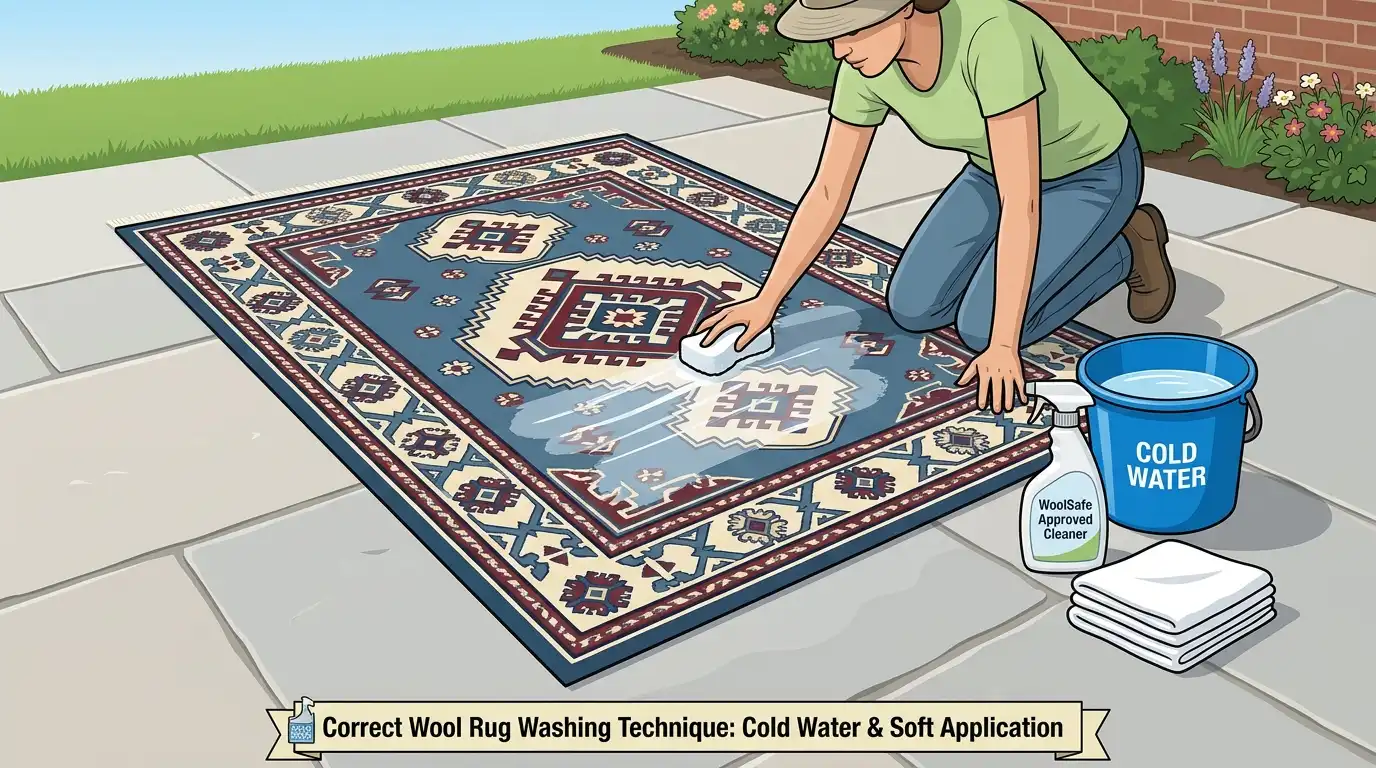
Quick answer: Cool or cold water only, a WoolSafe or non-biological, pH-neutral detergent, and gentle handling with no scrubbing or wringing. Test colour fastness before any wet cleaning. Machine washing is possible on a wool cycle at 30°C maximum for machine-tufted rugs where th…
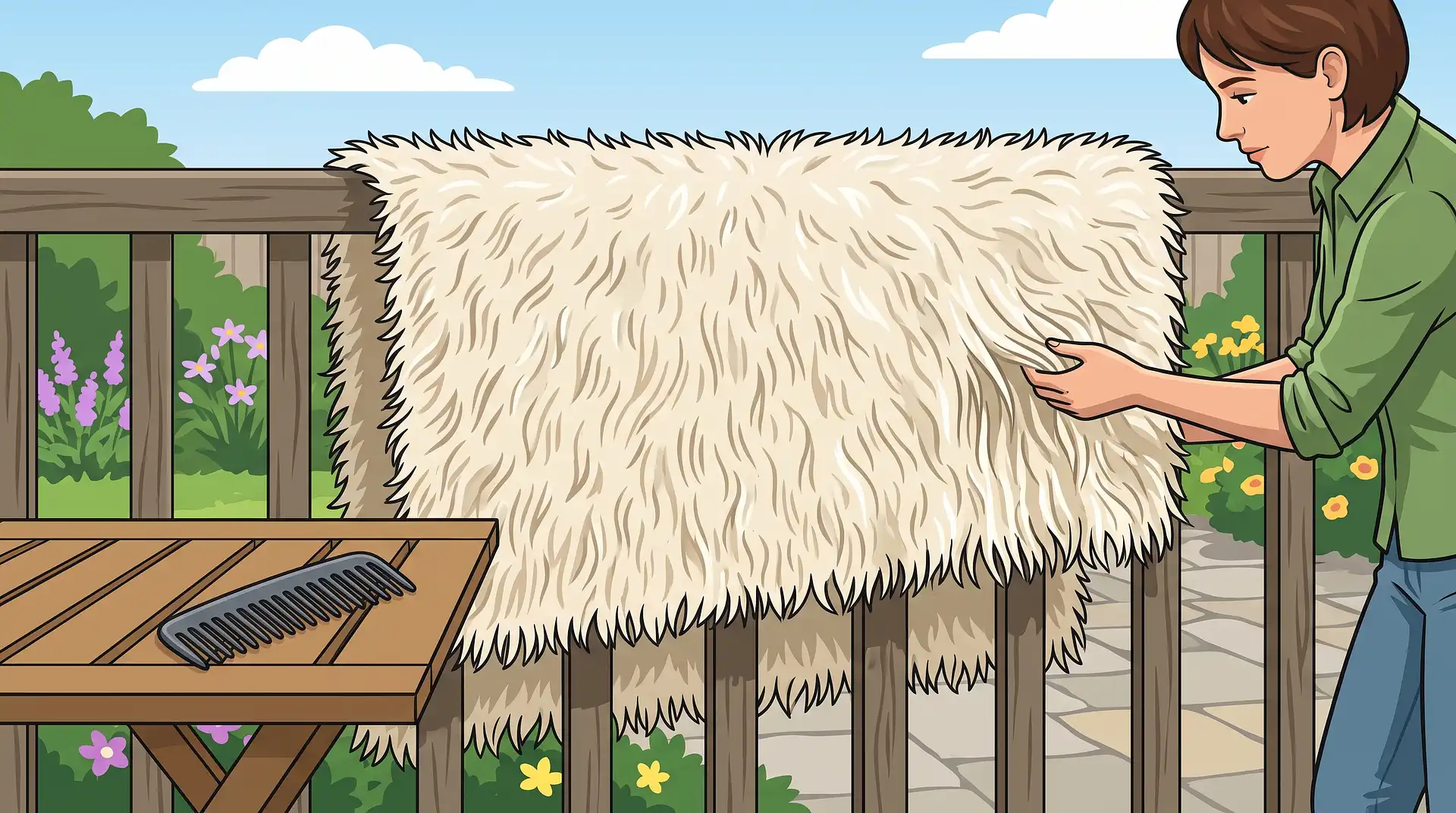
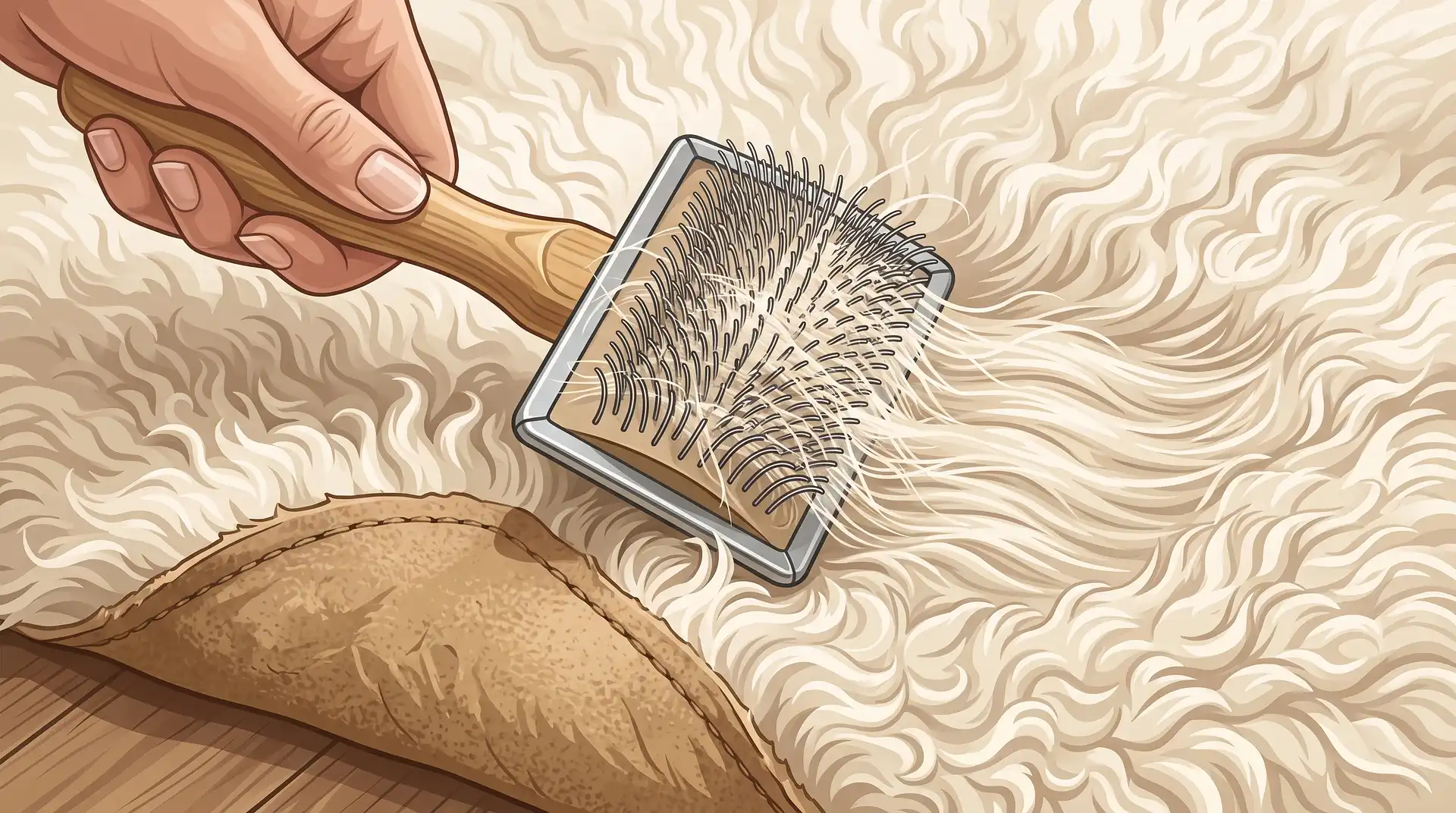
Quick answer: Check the care label and identify the backing before washing anything. A leather-backed sheepskin can be hand or machine washed at 30°C maximum on a wool cycle with a non-biological, non-alkaline wool detergent. A suede-backed sheepskin should not be wet washed at h…
Quick answer: Check the care label and identify the fibre before applying anything wet. Test colour fastness on a hidden corner with a damp white cloth — if colour transfers, stop and call a professional. For most synthetic and wool rugs, the method is the same as a fabric sofa:…
Quick answer: Most mattresses last between seven and ten years, depending on type, build quality and how they're used and maintained. Pocket sprung and open coil mattresses typically sit toward the lower end of that range. Memory foam and hybrid mattresses generally last a little…
Quick answer: Check the cleaning code on the label before using any product. Velvet pile wicks liquid downward fast, so act on spills immediately and blot rather than rub. Always work in the direction of the pile, never against it. When wet cleaning, dampen the whole panel from s…
Quick answer: Measure the tread depth (front to back of the horizontal surface), the riser height (floor to floor vertically), and the width of each step. Add tread and riser together to get the carpet length per step, then multiply by the number of steps. Add at least 10% waste.…
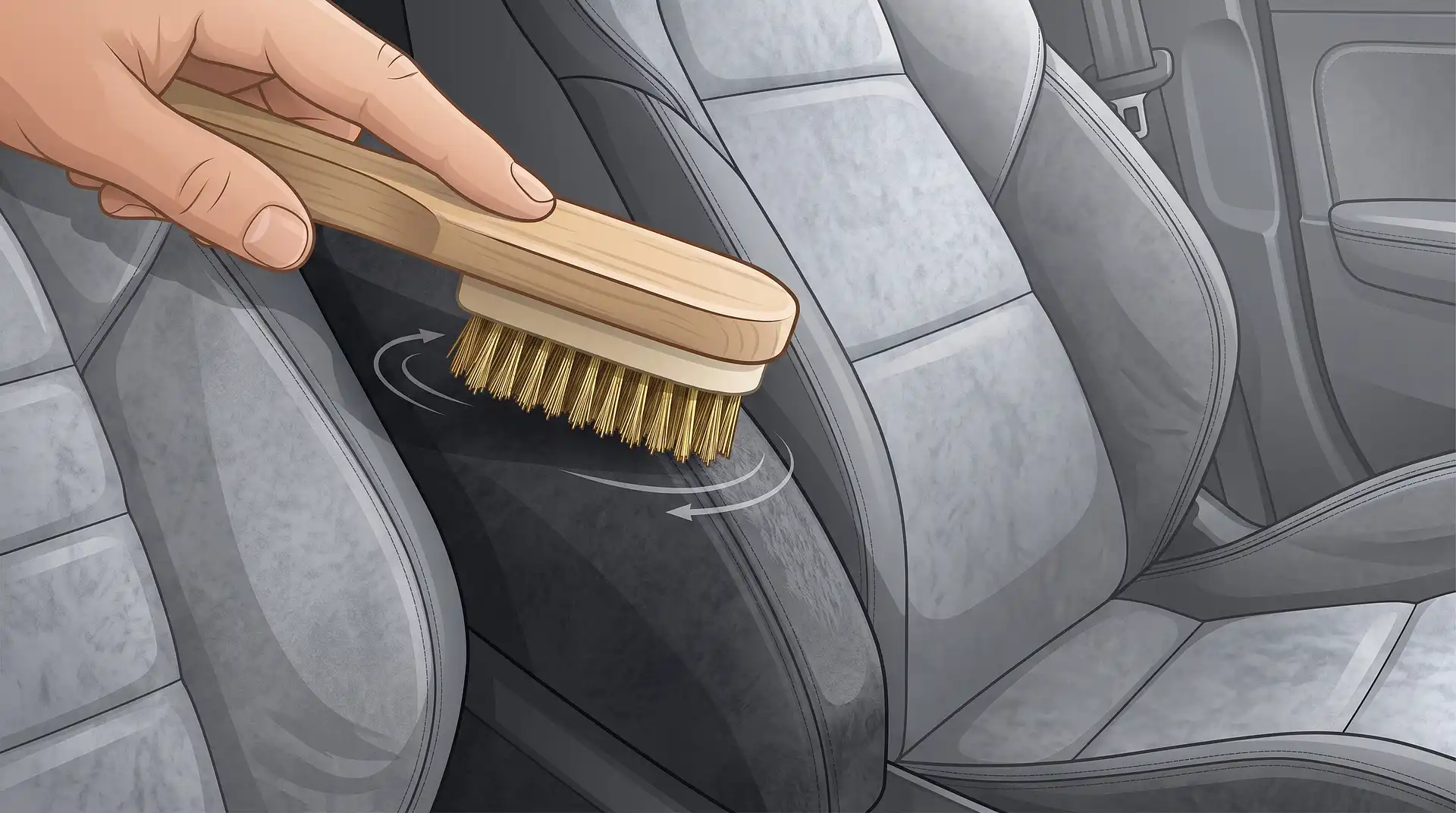
Quick answer: A suede brush is the most important tool you own for these seats, and it does more than any cleaning product. Most marks and shiny patches on Alcantara are crushed nap, not dirt, and gentle circular brushing followed by a directional stroke restores the texture. For…
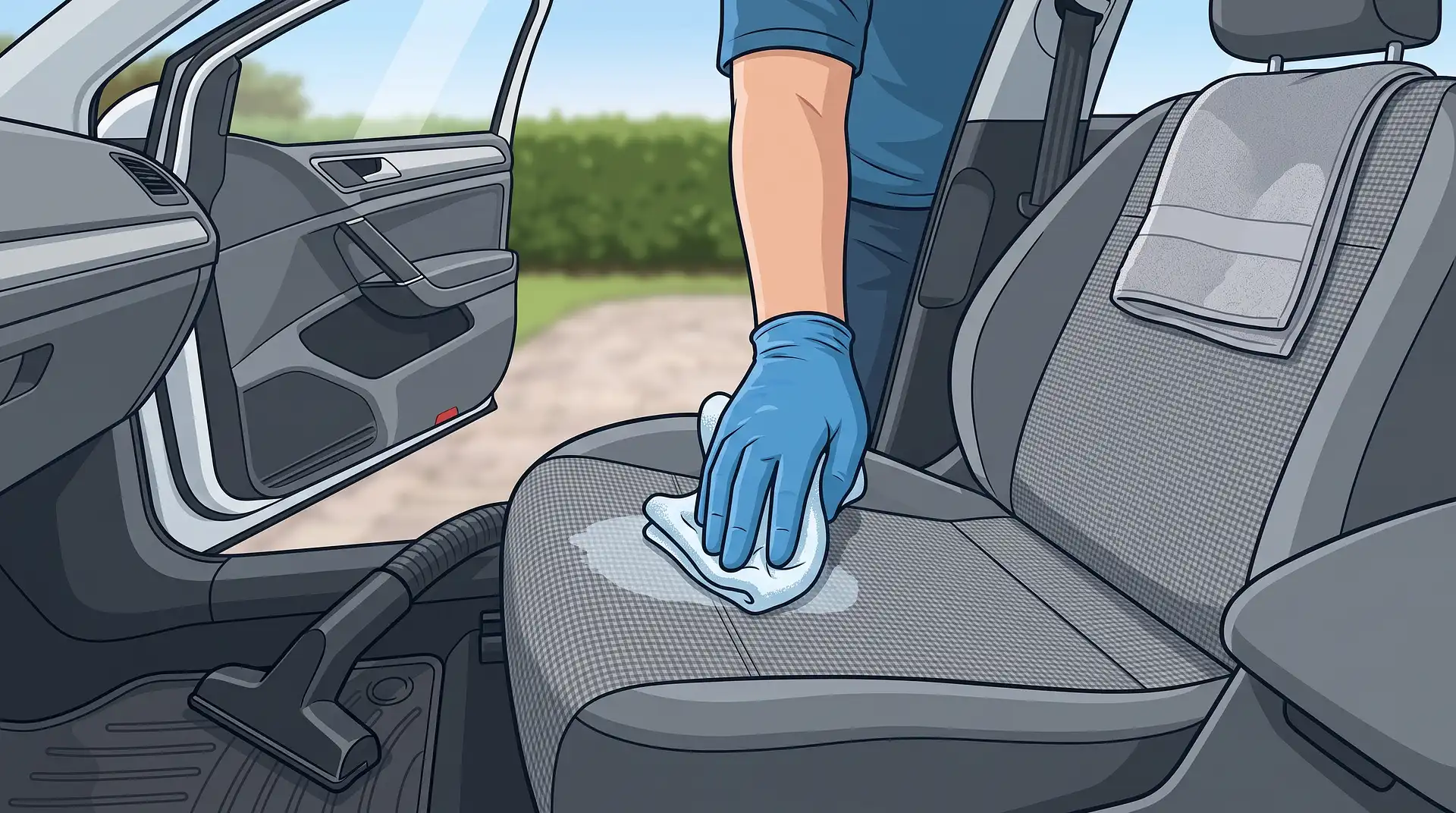
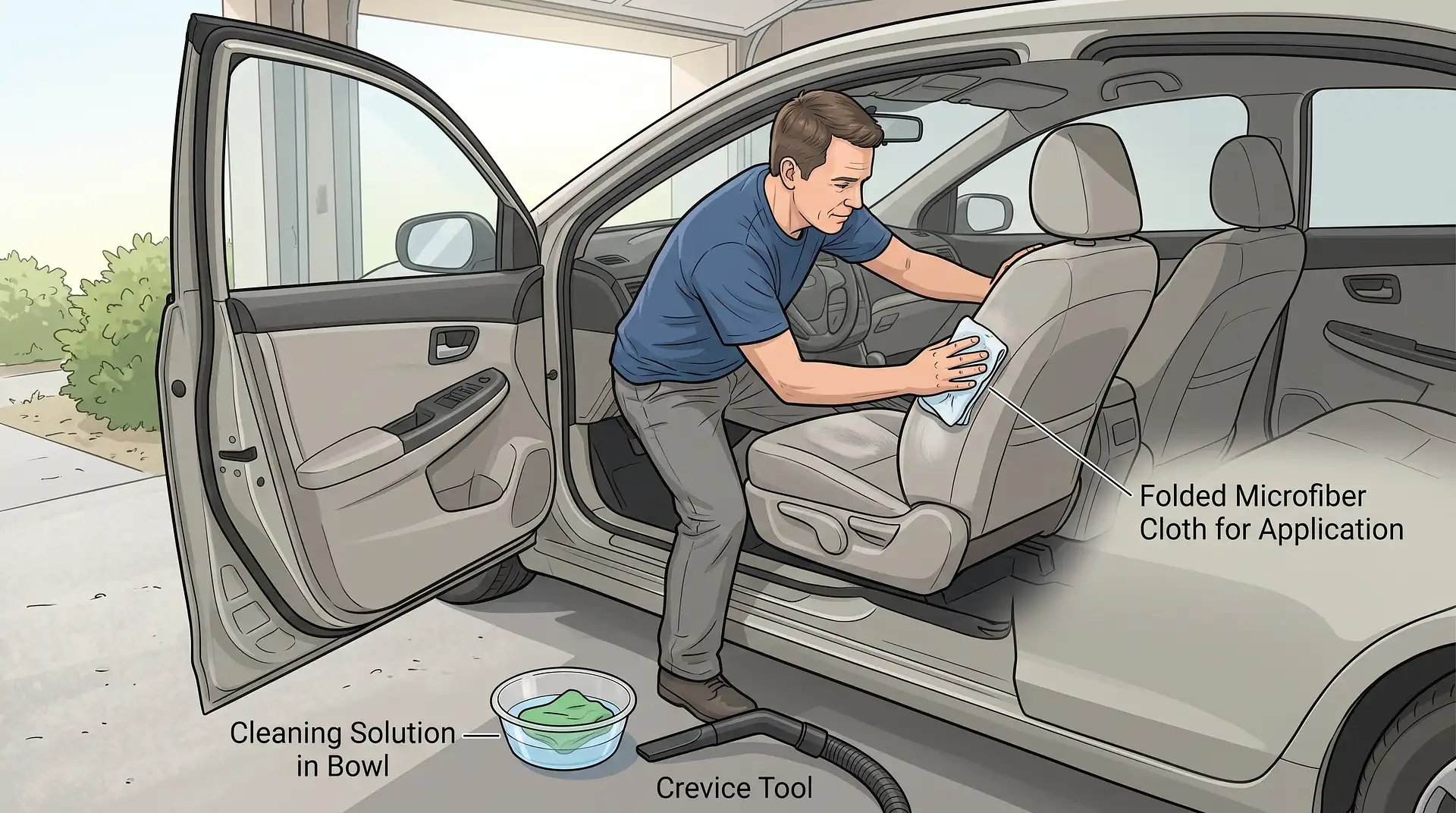
Quick answer: Vacuum thoroughly first, including seams and under the seats. Test any solution in a hidden area. A mild solution of clear washing up liquid in warm water handles most cloth seat cleaning, applied to a cloth rather than sprayed onto the seat, worked panel by panel a…
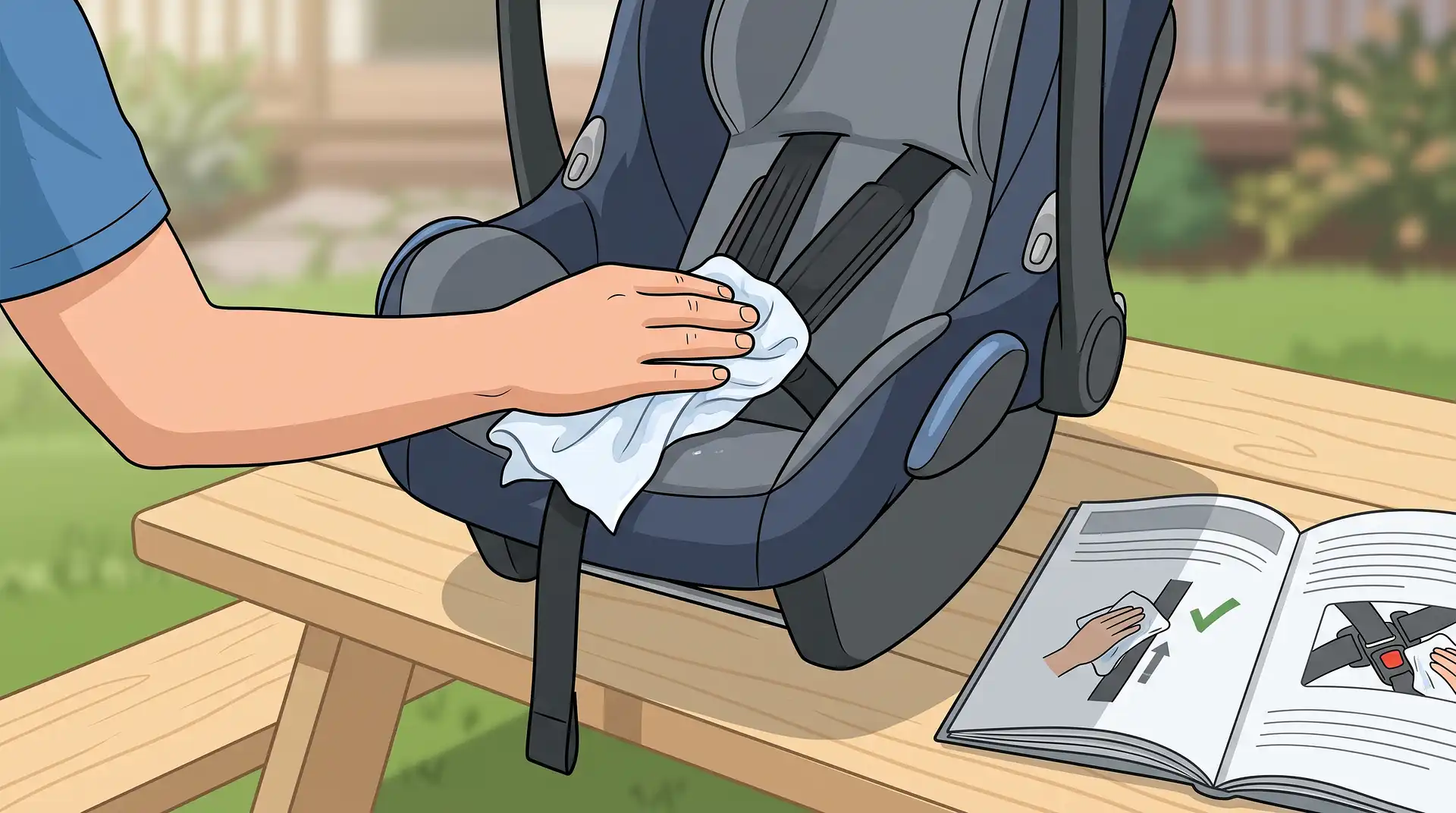
Quick answer: Get out the manual before you pick up a cleaning product. Every manufacturer has specific guidance for their seat, and that guidance overrides all general advice — including this article. The harness webbing must never go in a washing machine or be submerged, since…
Quick answer: Cold water only, never warm or hot — heat sets the protein in blood permanently into the fibre and turns a recoverable stain into a permanent one. Put on gloves before touching anything. Blot with a white cloth, working from the outside of the stain in, and never ru…
Quick answer: For routine hygiene, thorough cleaning with a proper leather cleaner and mild soap removes the vast majority of surface pathogens without damaging the leather. For post-illness cleaning, a leather-safe antimicrobial product applied after cleaning, followed by condit…
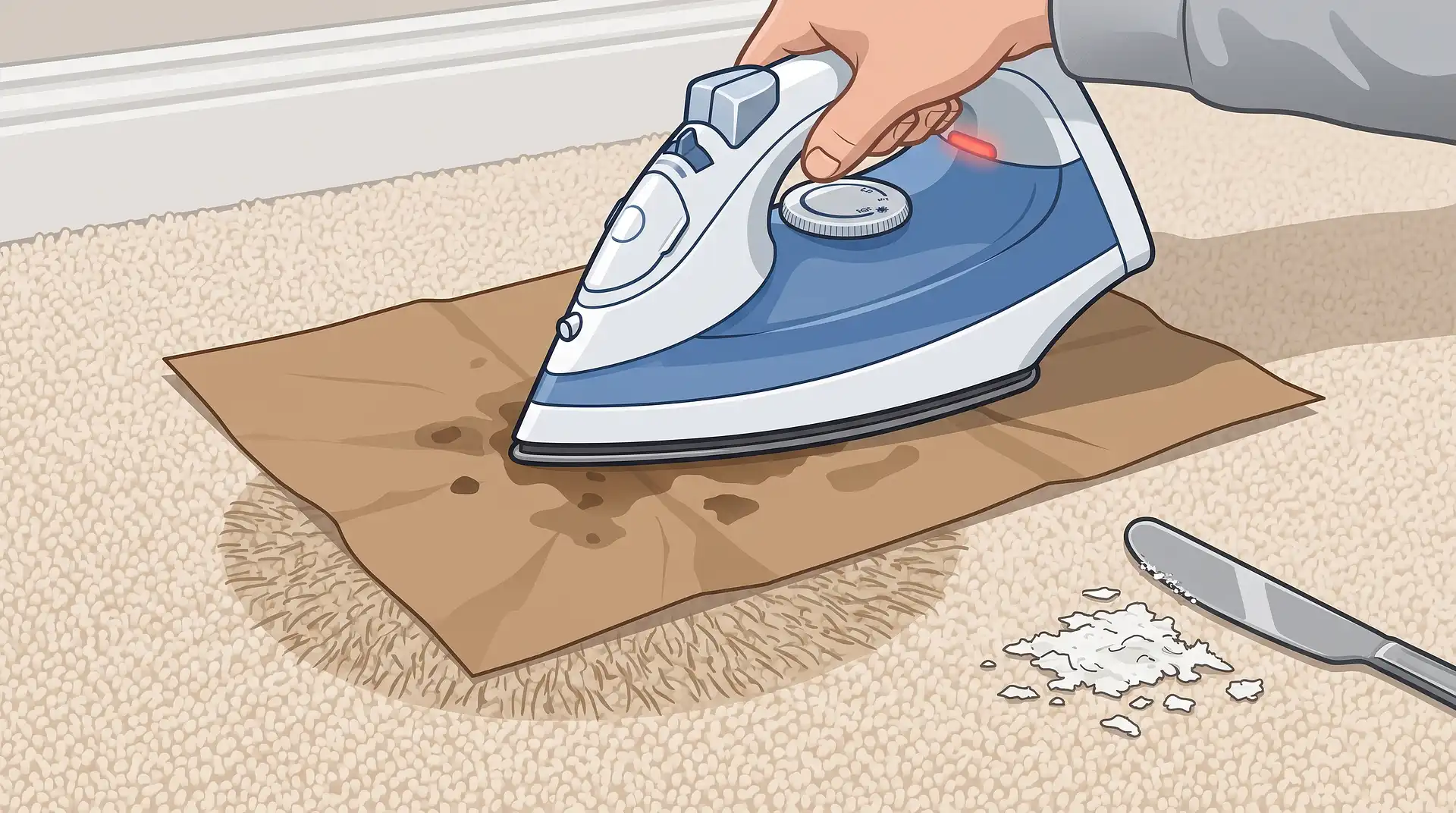
Quick answer: Freeze the wax first with ice or a bag of frozen peas, then scrape away the brittle solid carefully with a blunt knife. Follow with a warm iron over a clean brown paper bag or a thick white cloth, pressing briefly and moving constantly, which re-melts the embedded w…
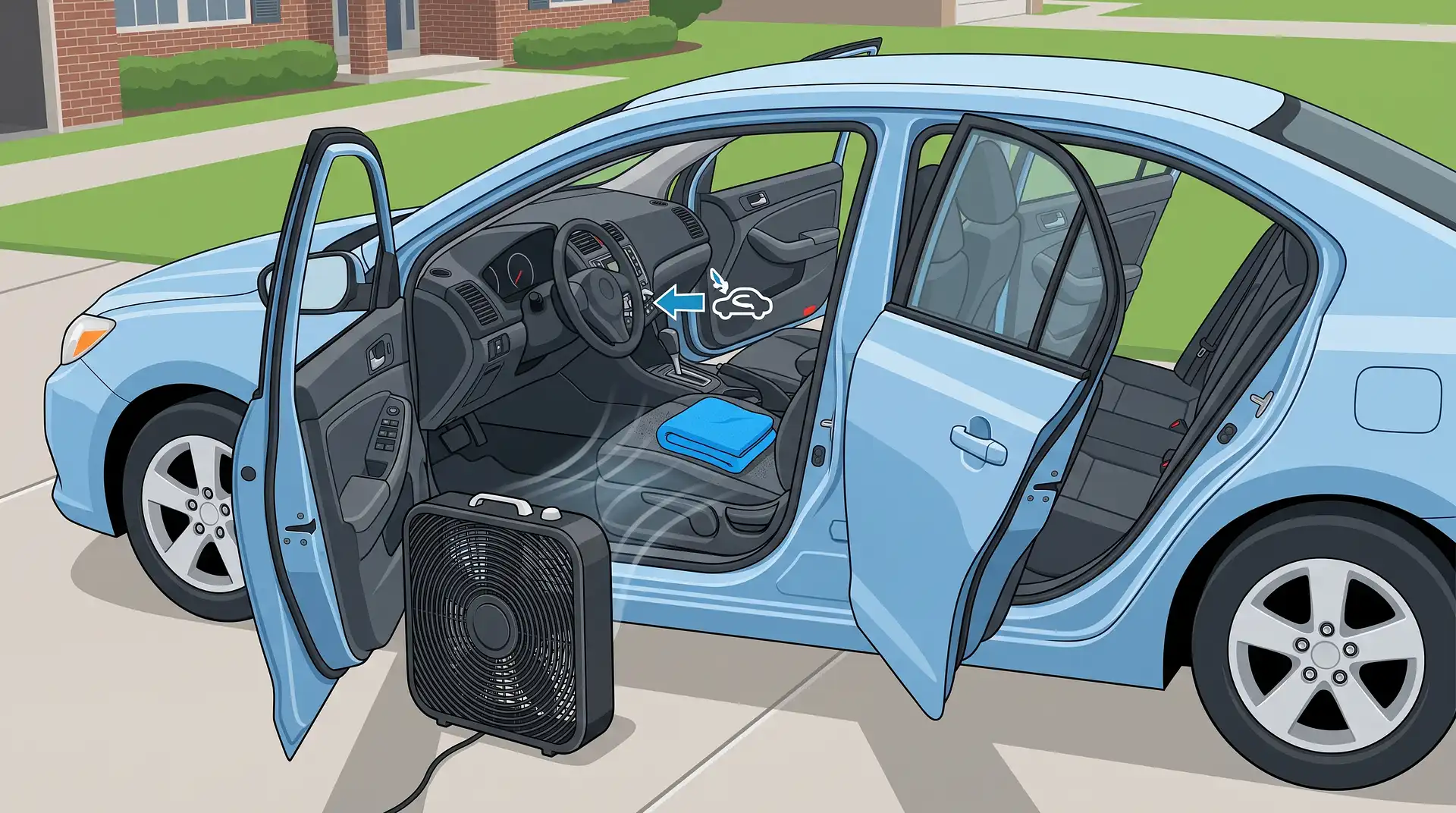
Quick answer: Open all the doors rather than just the windows. Use the car's fan on the fresh air setting, not recirculate, so you're exchanging damp cabin air with outside air. A portable fan directed into the car accelerates this further. If the seat is significantly wet, use a…
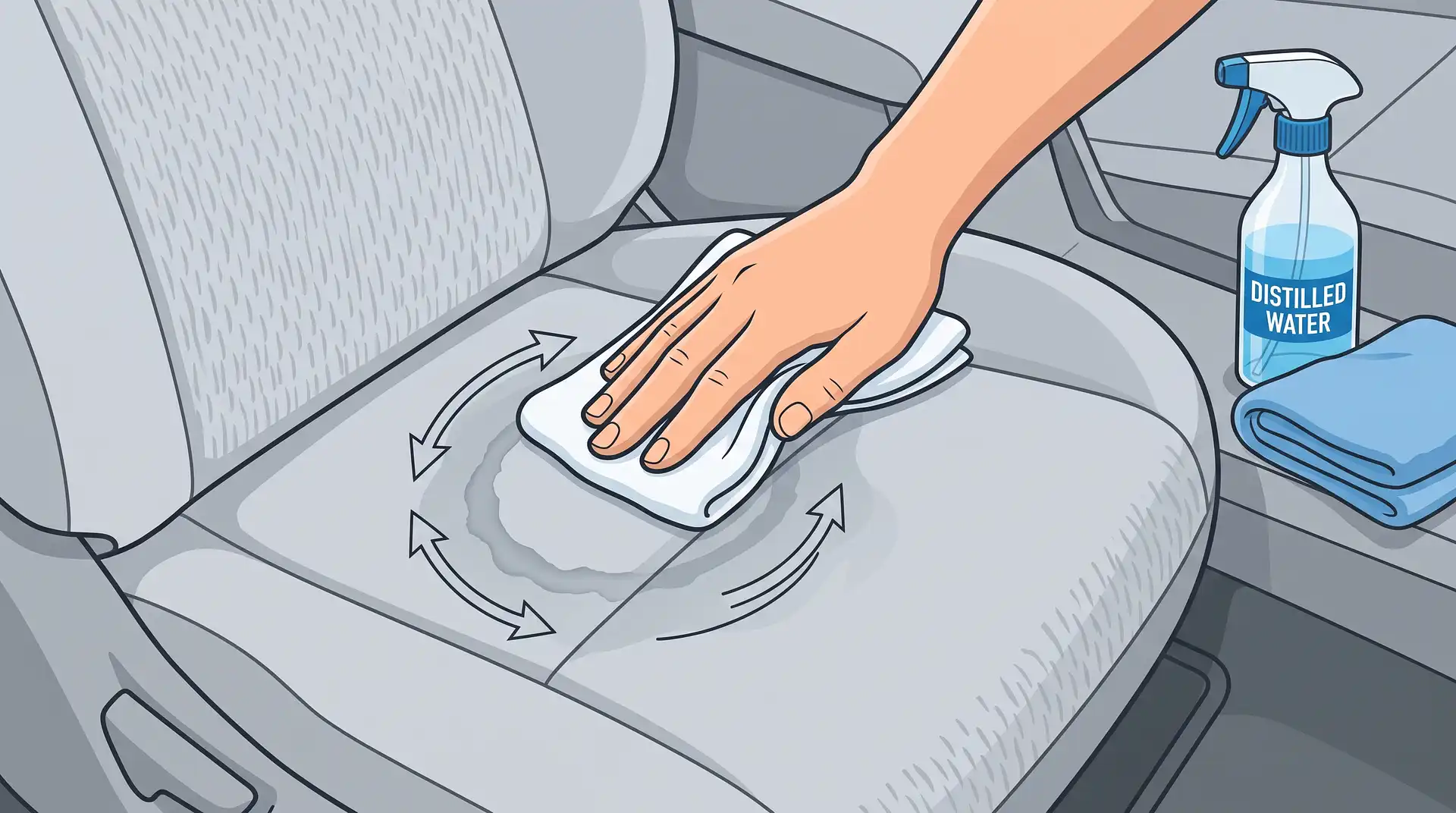
Quick answer: Water rings on car seats form when moisture dissolves minerals and detergent residue from the surrounding fabric and deposits them at the drying edge. The fix is counterintuitive: don't try to clean inside the ring. Re-wet the whole surrounding panel evenly with dis…
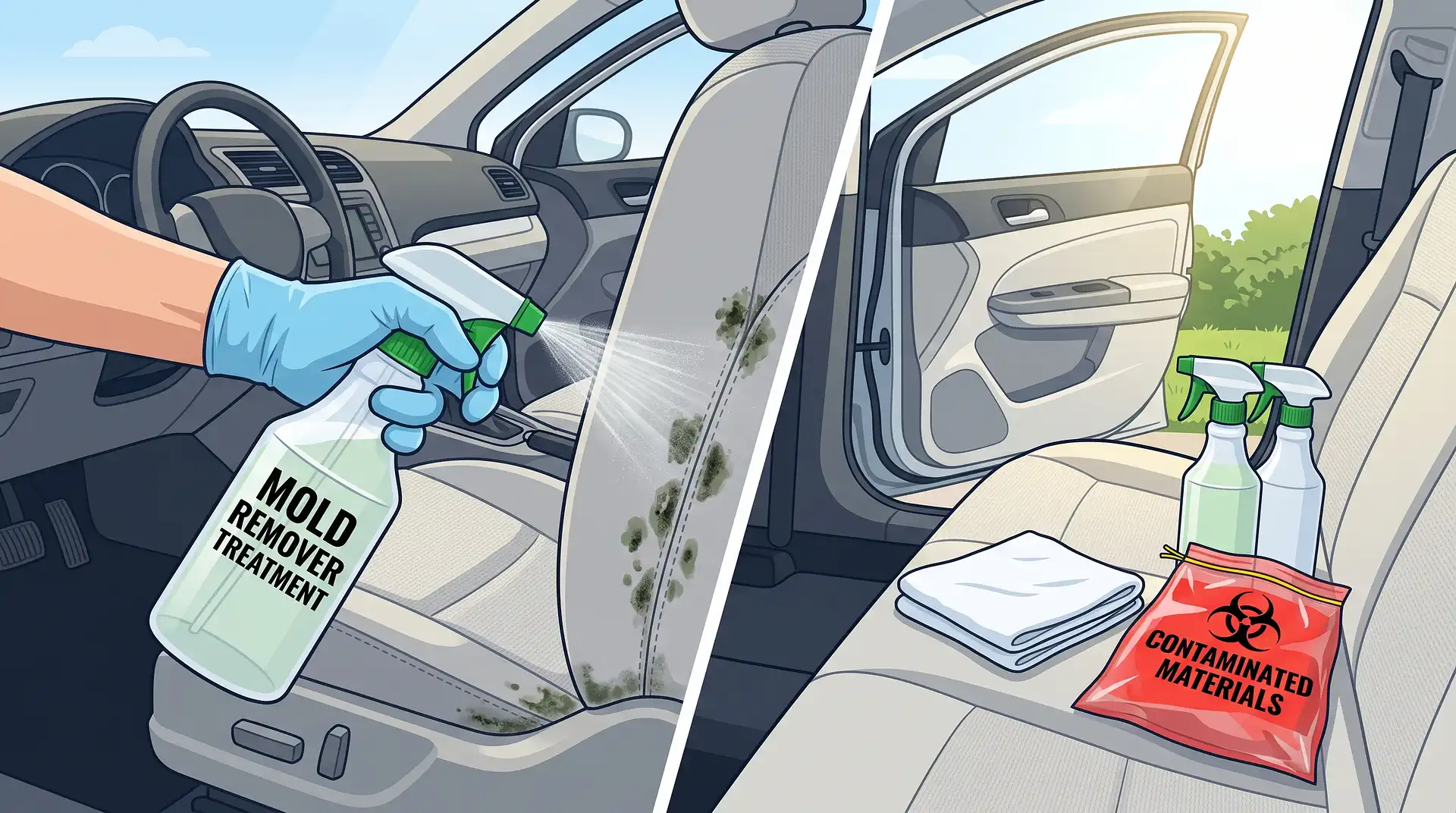
Quick answer: Find and fix the moisture source before you clean anything, because treating the surface without addressing the cause means the mould comes back within weeks. Wear an N95 or FFP2 mask, nitrile gloves and eye protection, and open all the doors before you start. Don't…
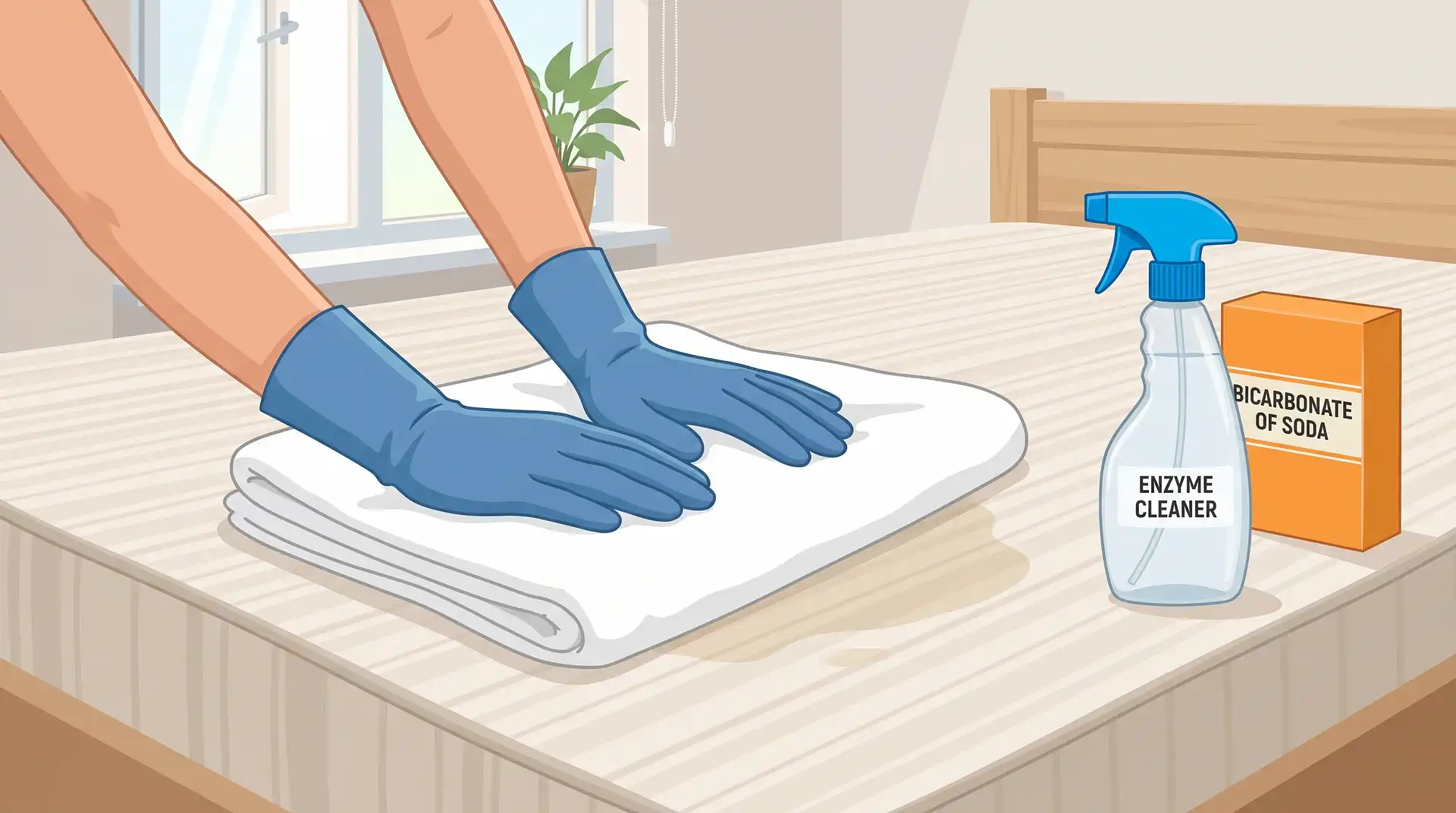
Quick answer: Blot up as much liquid as possible with towels, pressing hard, and never rub. Use cold water, never warm, since heat sets the proteins in urine. Then use an enzyme cleaner and leave it far longer than feels necessary, at least fifteen minutes and ideally longer, kee…
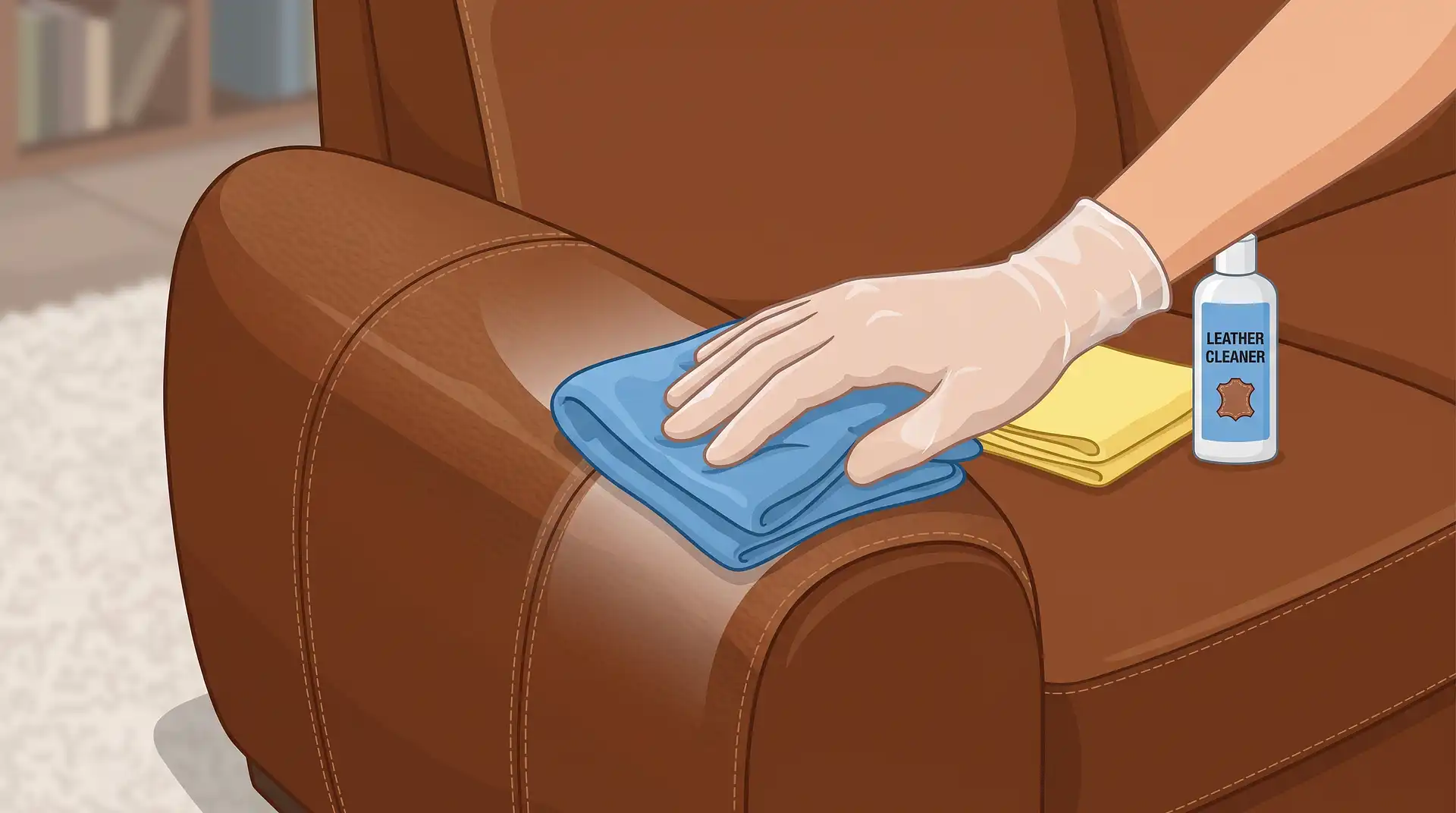
Quick answer: Work out what type of leather you have first, since it changes what's safe. Vacuum with a soft brush attachment to clear dust from seams and buttoning. Wipe with a barely damp microfibre cloth and a small amount of pH-neutral soap, never soaked, and dry immediately…
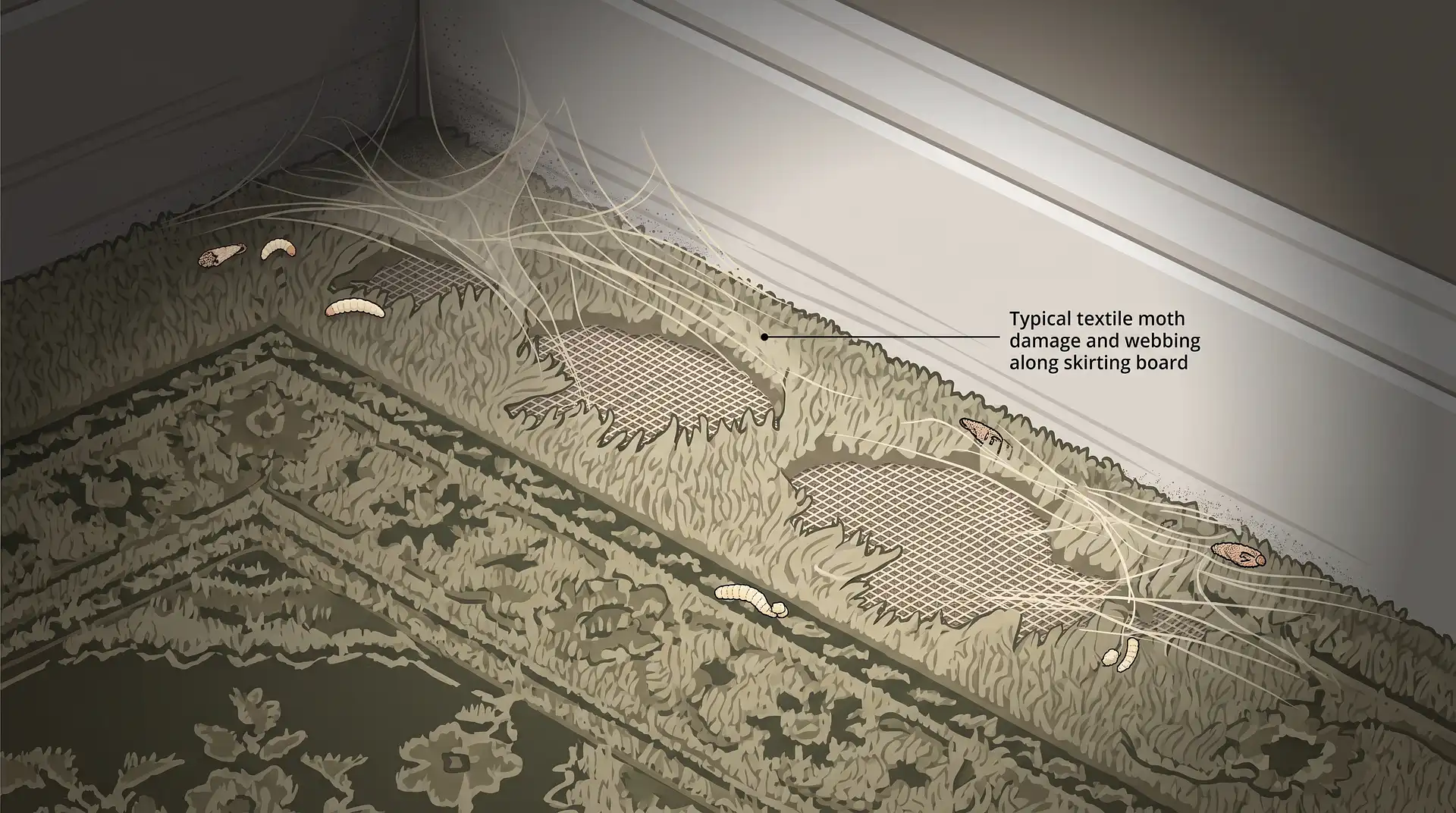
Quick answer: The moths you see aren't the problem. The larvae are. They feed on keratin, the protein in wool, silk and other natural fibres, and they thrive in dark, undisturbed areas: under furniture, along skirting boards, behind radiators. Treatment has four stages: thorough…
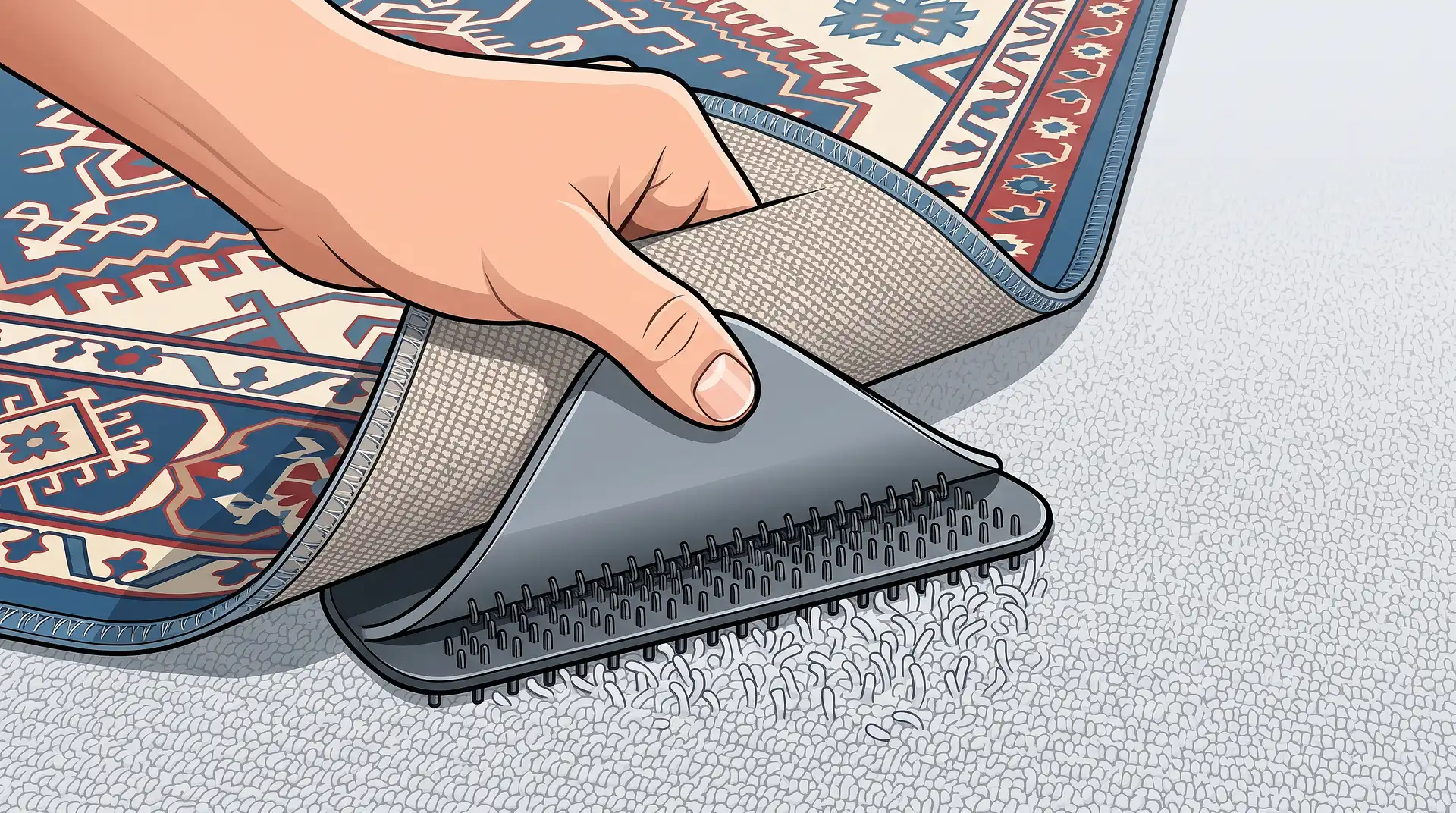
Quick answer: Most rug pads sold as non-slip are designed for hard floors and don't work on carpet, because on a carpeted floor the surface underneath is itself moving. What you need is a carpet-to-carpet gripper, which has hooks or teeth that physically engage the pile below rat…
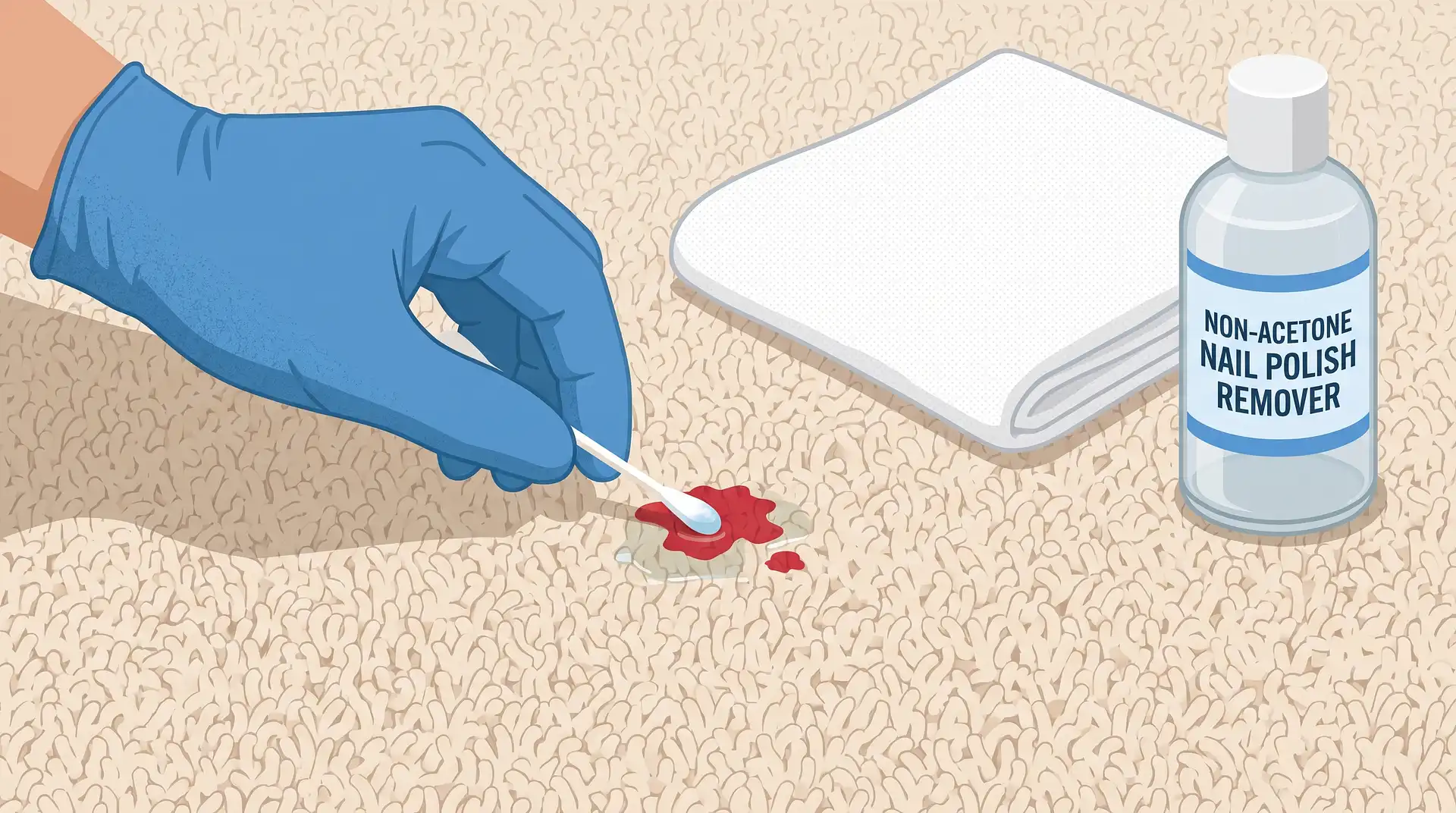
Quick answer: Don't rub, and don't reach for acetone straight away. Blot wet varnish gently with a white cloth working from the outside in, lifting rather than spreading. Then test a non-acetone nail varnish remover on a hidden patch of carpet first, since acetone can dissolve th…
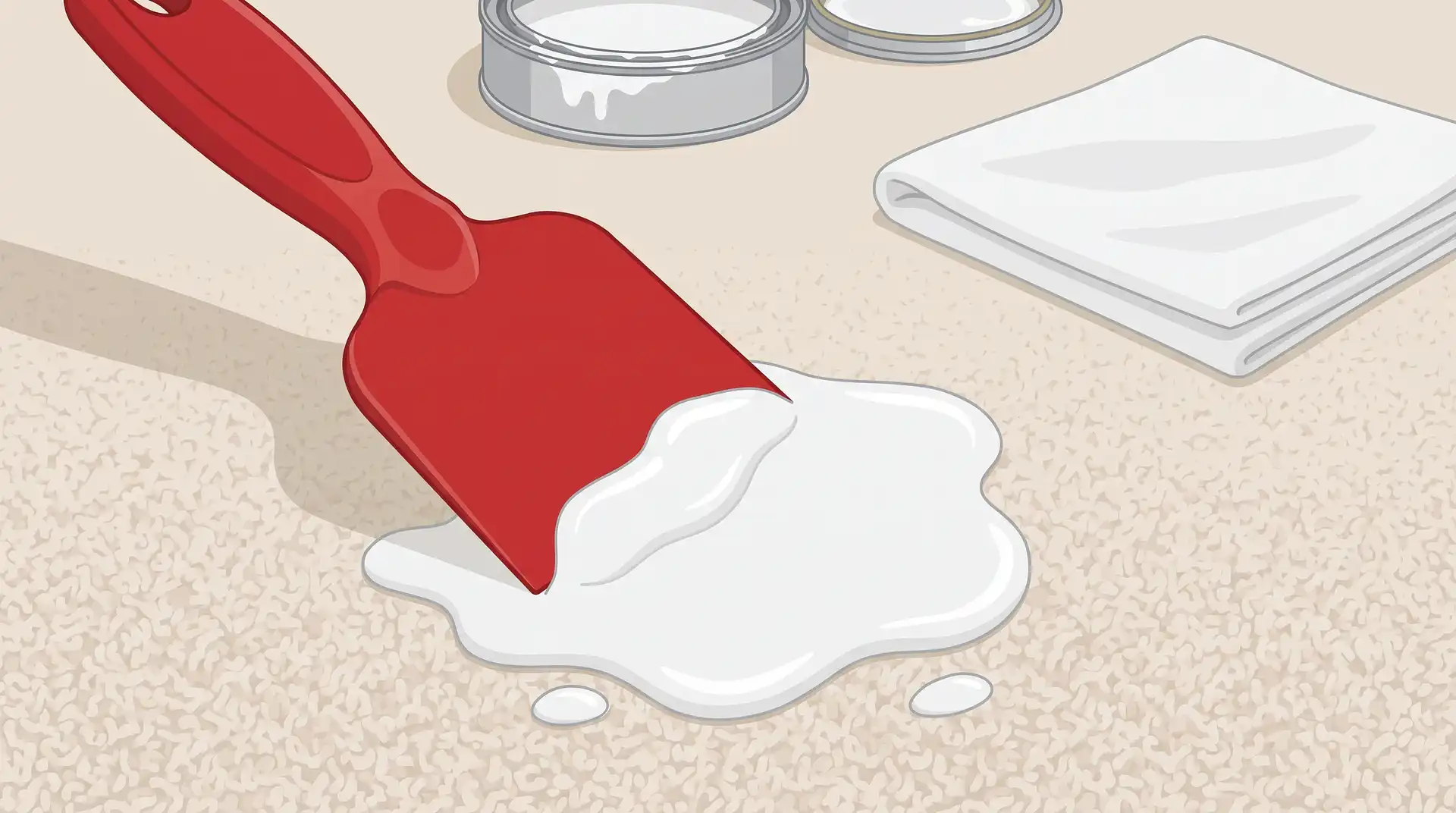
Quick answer: If the paint is still wet, scoop up the excess with a spoon or blunt knife working from the outside in, then blot with a white cloth. Never rub. For emulsion and water-based paint, blot repeatedly with cool water and a small amount of washing up liquid until it stop…
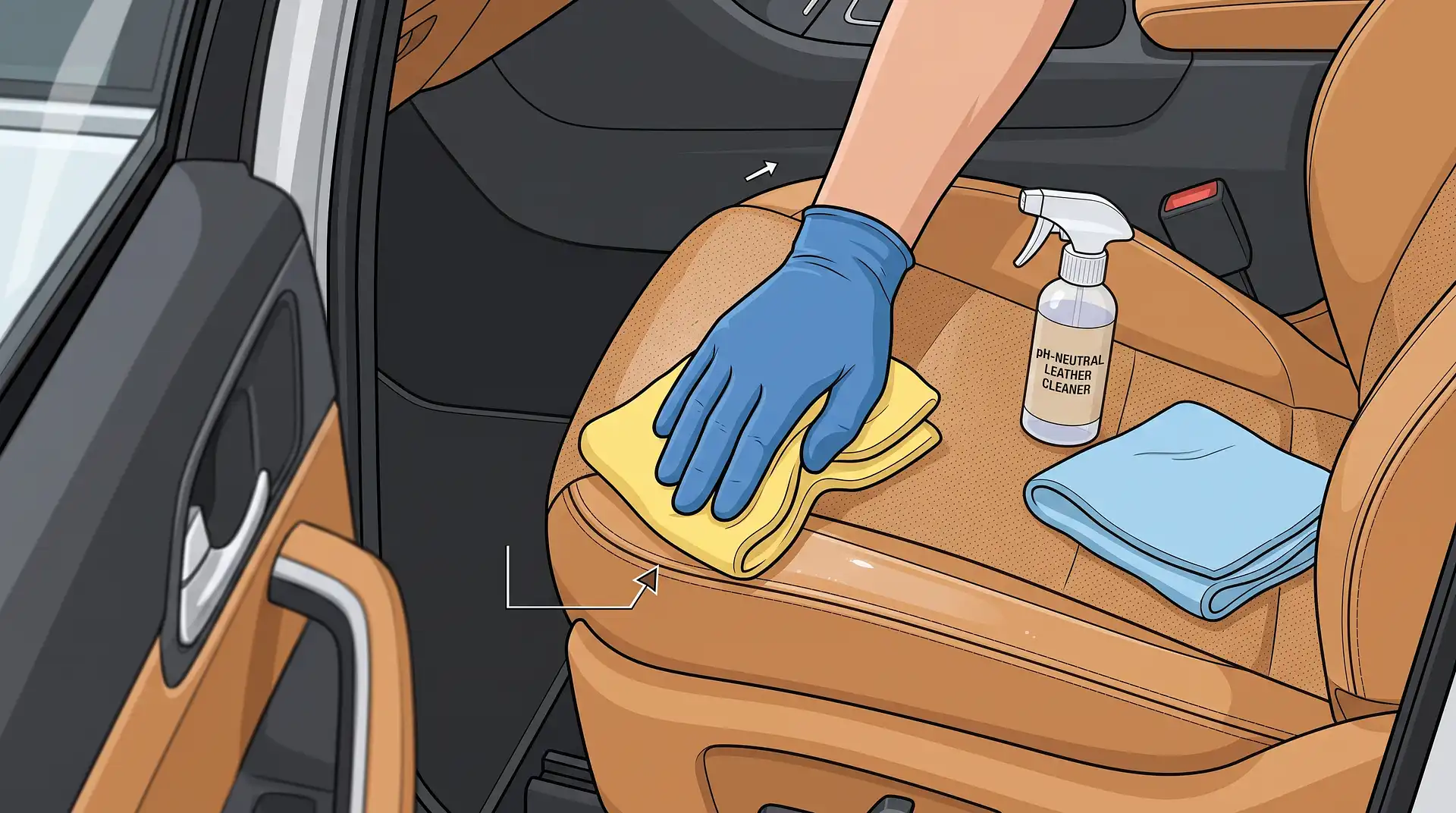
Quick answer: Identify the material first, since genuine leather, part-leather and leatherette behave differently and need different products. Vacuum with a soft brush attachment, including perforations and seams. Wipe with a barely damp microfibre cloth and a pH-neutral leather…
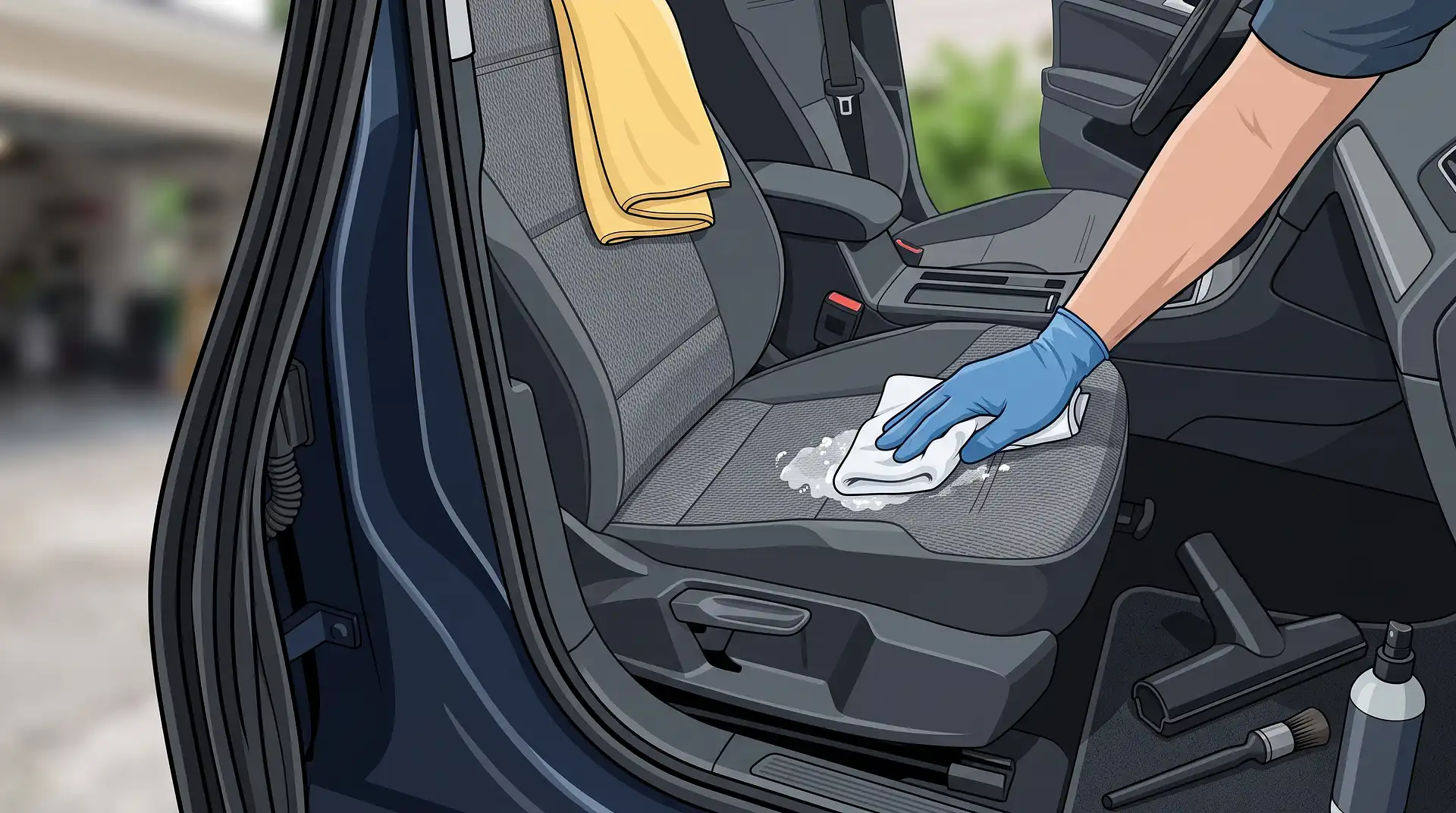
Quick answer: Identify the material first, since fabric, leather and Alcantara each need a different approach. Vacuum thoroughly including seams and under the seats. For fabric, use a mild detergent solution applied to a cloth rather than sprayed onto the seat, work panel by pane…
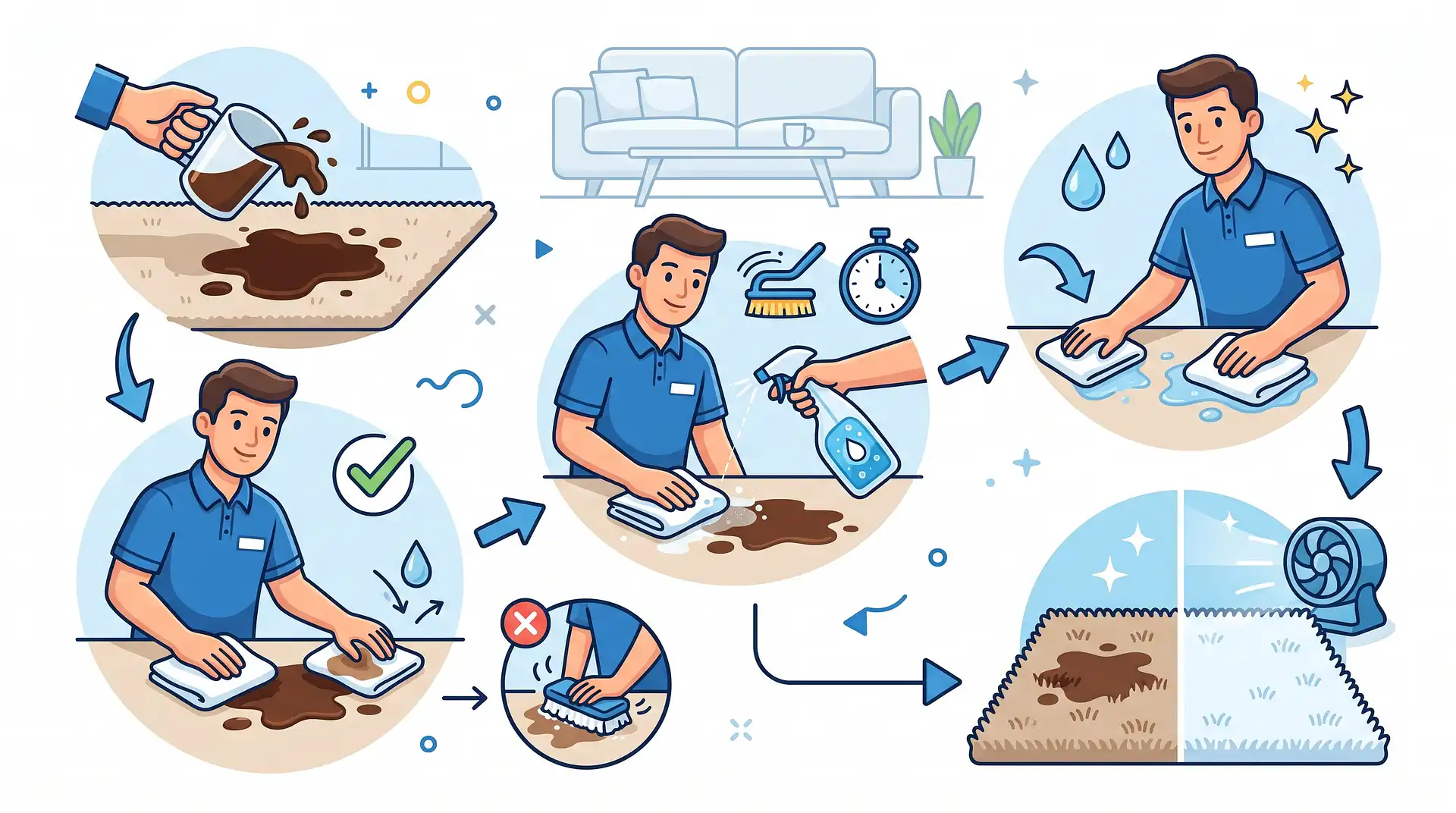
Quick answer: Work out which category your stain falls into, since the category decides the method. Protein stains (blood, sweat, urine, vomit) need cold water and an enzyme cleaner, and heat sets them permanently. Tannin stains (tea, coffee, wine) also need cool water for the sa…
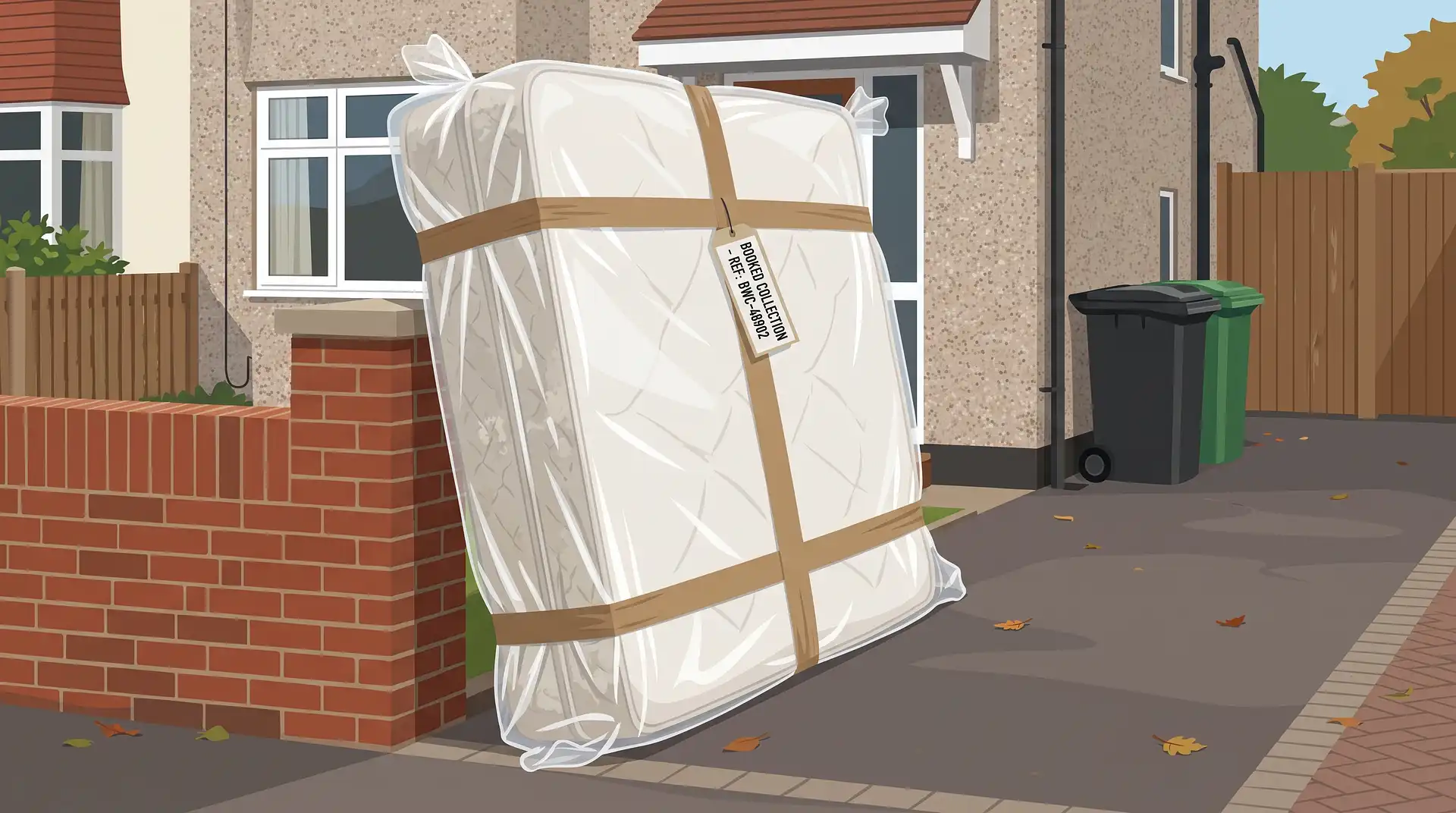
Quick answer: A mattress cannot go in your household bin, and leaving one at the kerb without a booked collection is fly-tipping. Your legal routes are council bulky waste collection (commonly £15 to £60 depending on the authority), a household waste recycling centre if you can t…
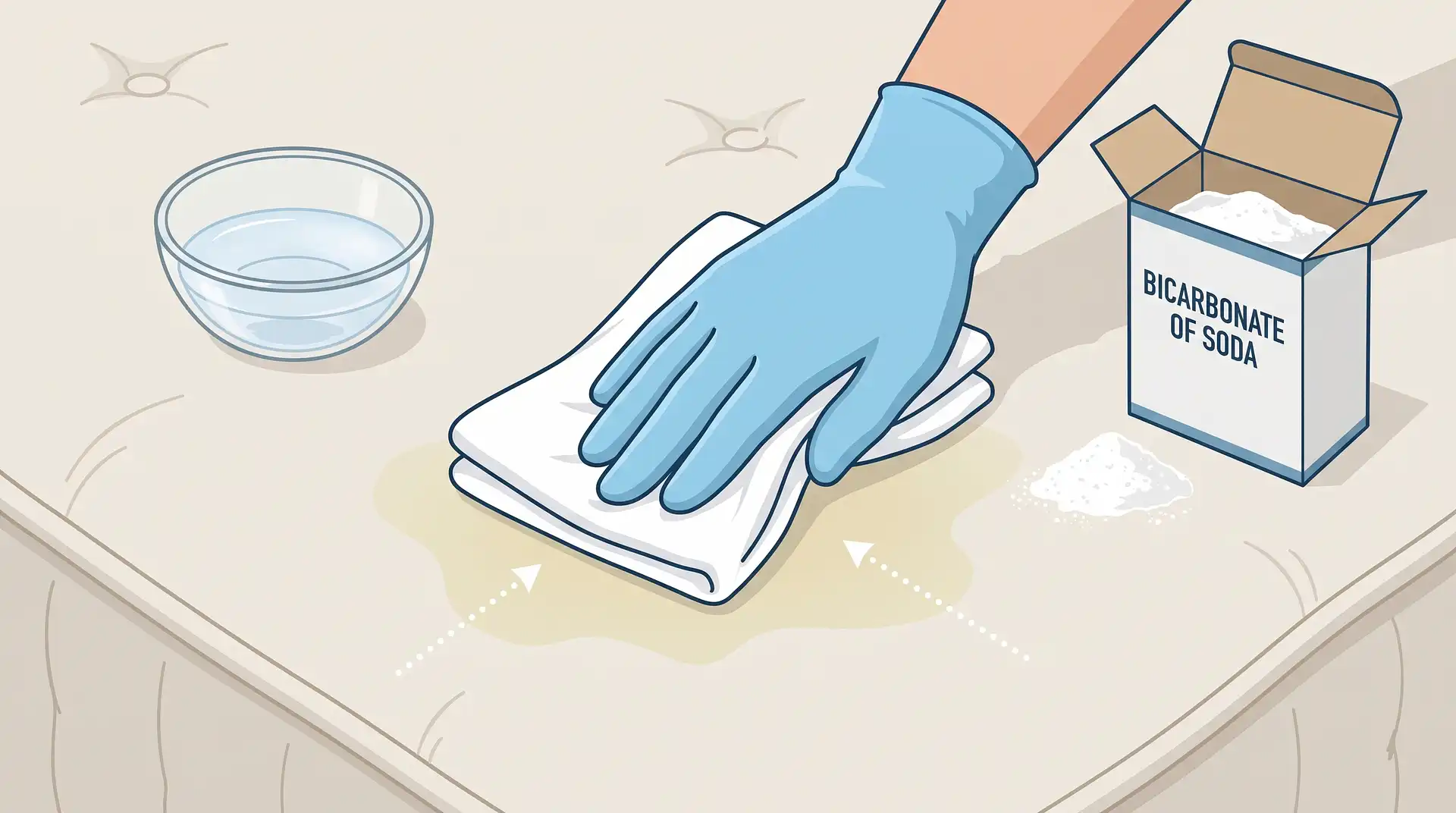
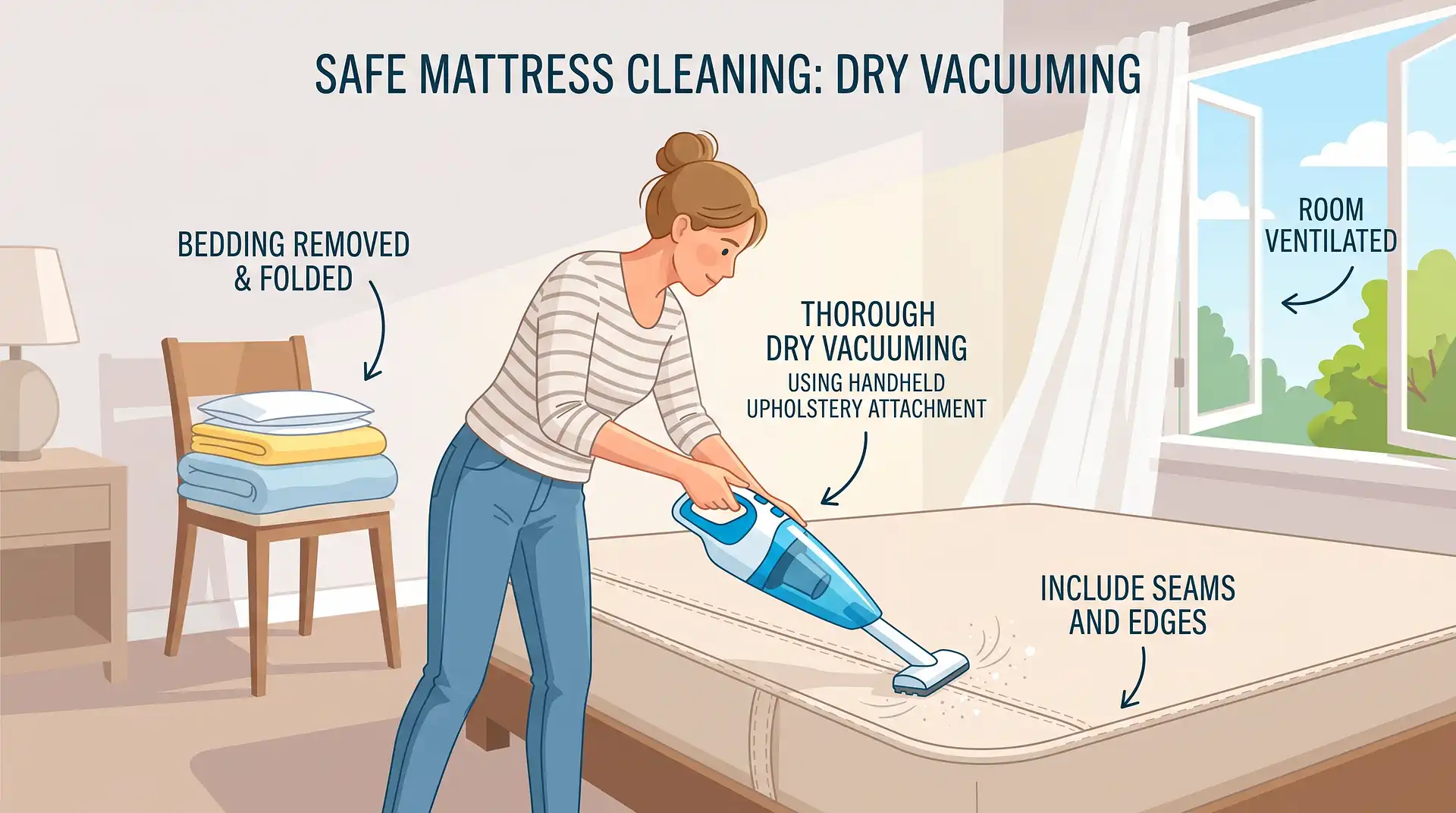
Quick answer: Strip the bed and wash all bedding at 60°C or above. Vacuum the mattress thoroughly with an upholstery attachment, including seams and sides. For general freshening and odour, sprinkle bicarbonate of soda across the surface, leave it at least half an hour, then vacu…
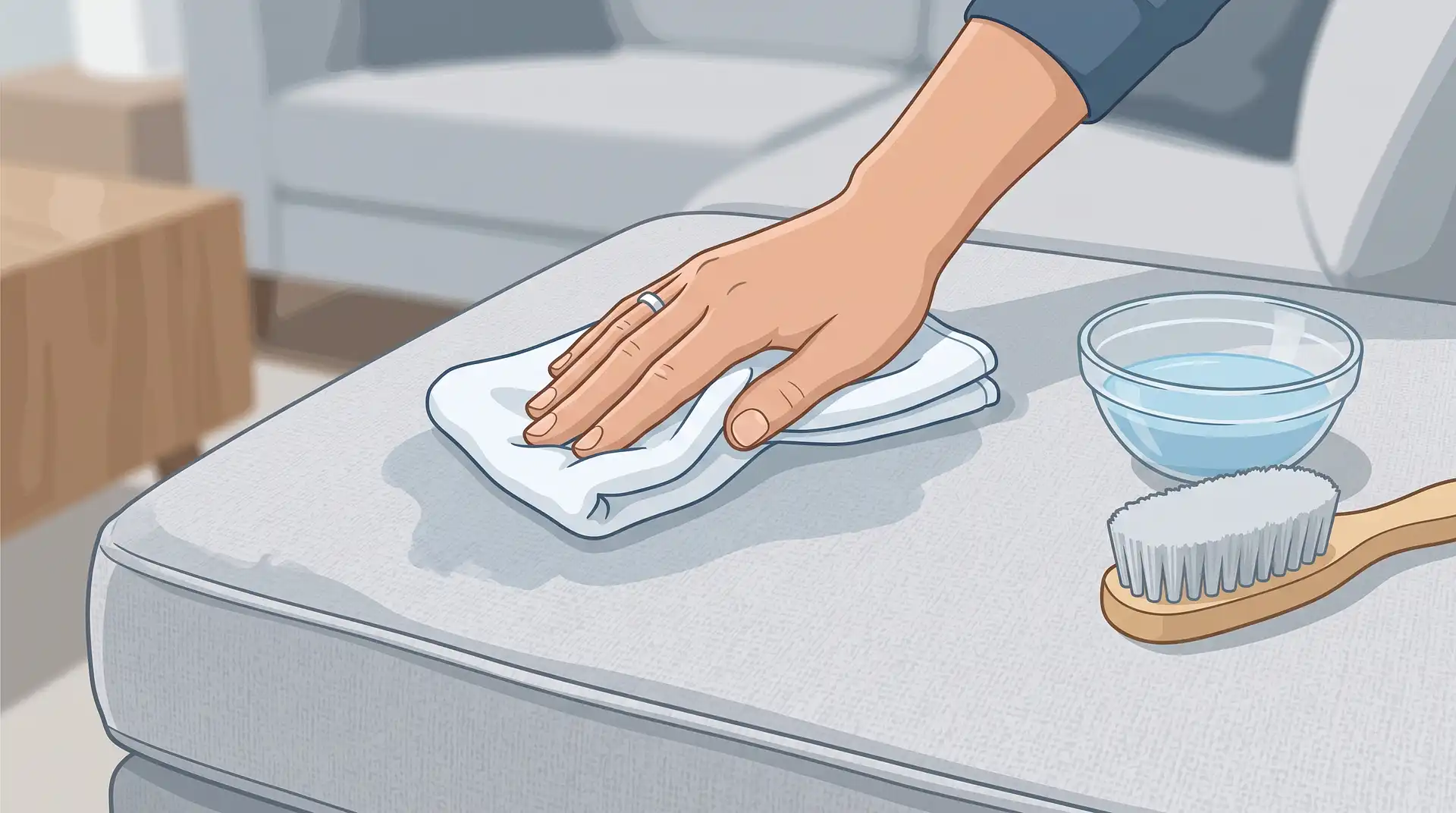
Quick answer: Check the cleaning code on the label first. W or WS means water-based cleaning is safe, S means solvent only, X means vacuum only. Vacuum thoroughly including seams and under cushions. For light refreshing and odour, a dry method using bicarbonate of soda is often e…
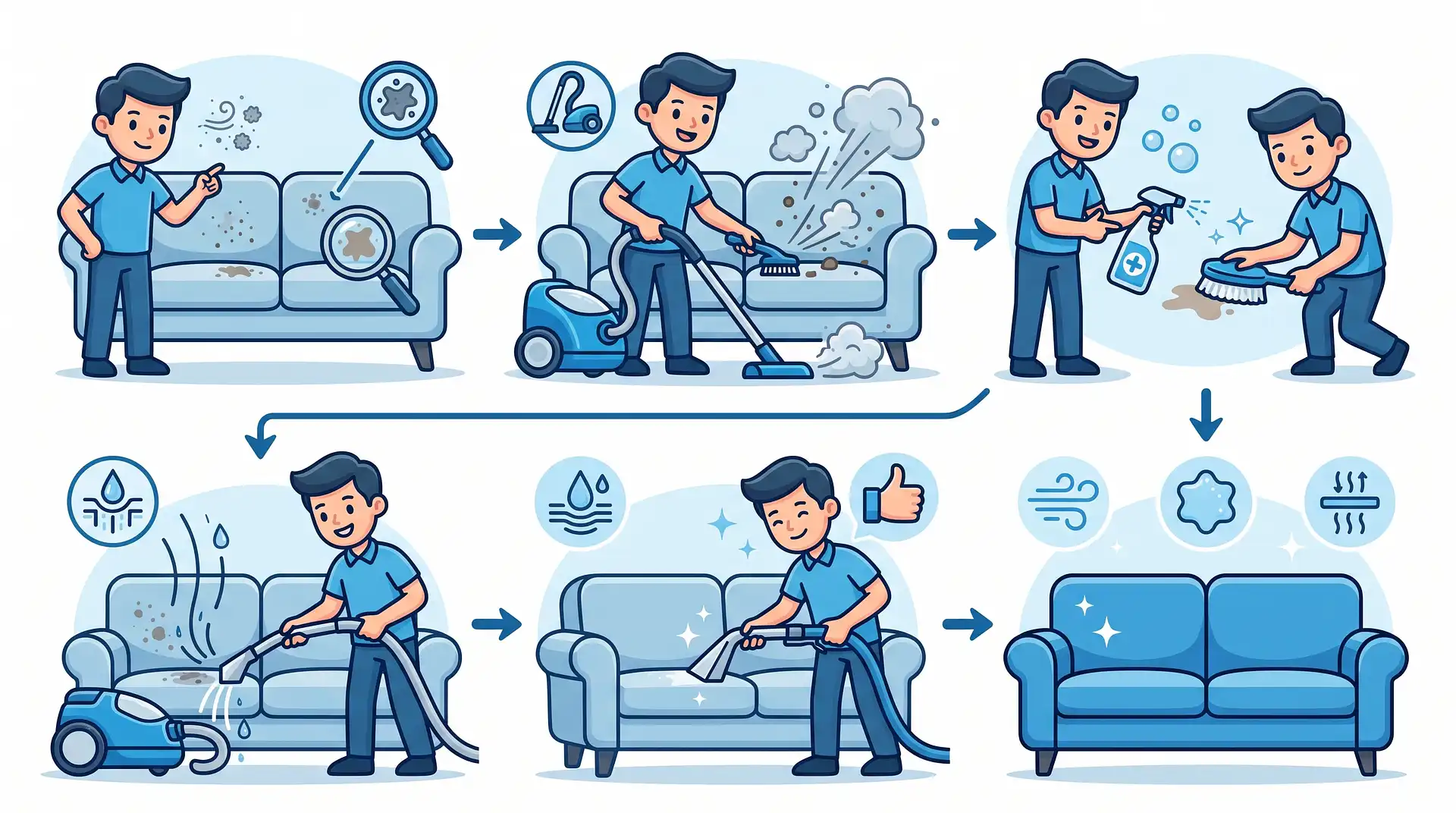
Quick answer: Check the cleaning code on your sofa's label first, W, S, WS or X, since that single letter determines whether water-based cleaning is safe at all. Vacuum thoroughly, including cushions and crevices. For a W or WS code, use a small amount of mild detergent solution,…
Quick answer: Vacuum the carpet thoroughly first. Fill the clean water tank with warm, not boiling, water and the correct amount of carpet washing solution for your model, usually stated on the bottle and in your manual. Test on a hidden patch. Work in overlapping strips from the…
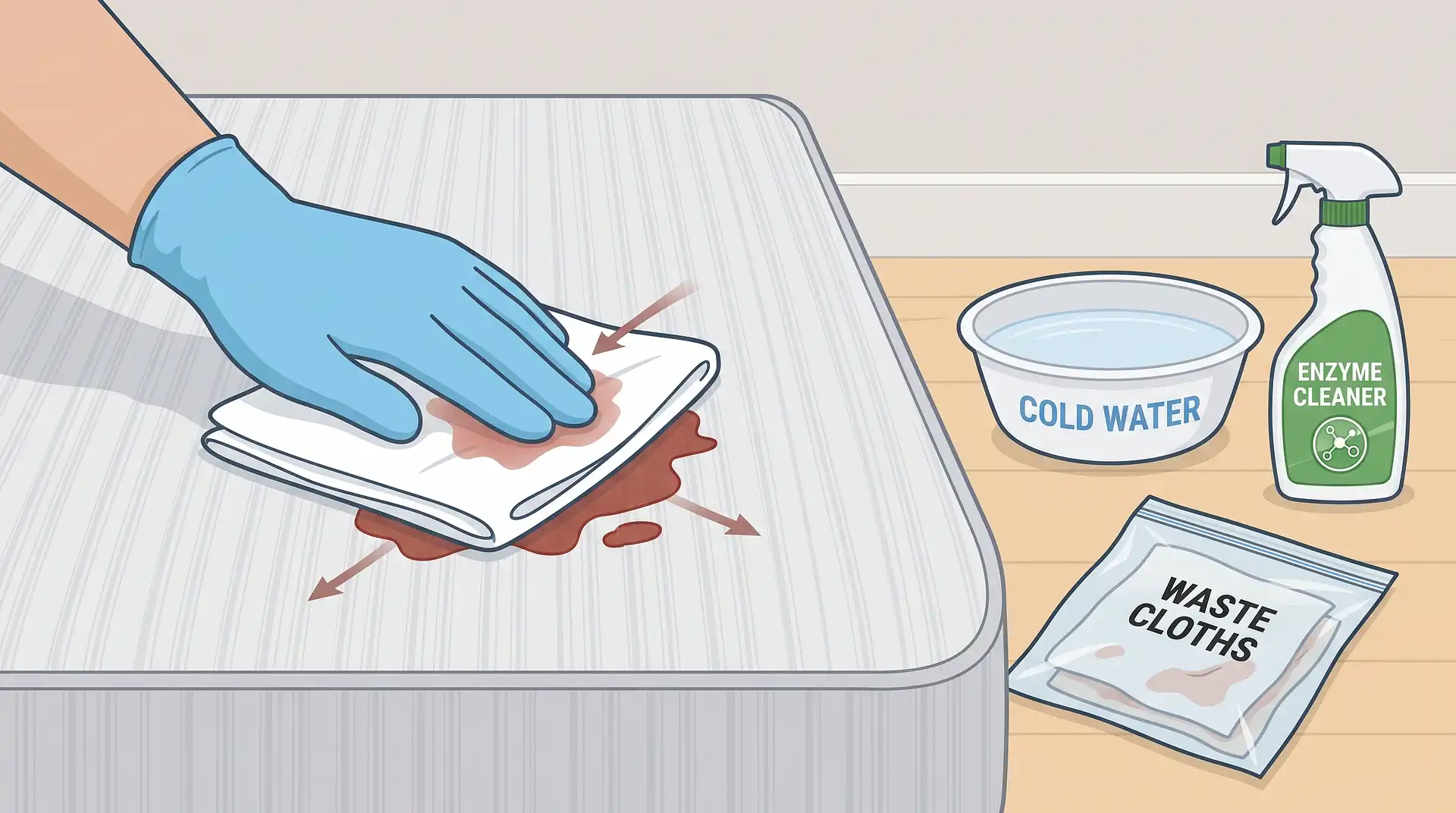
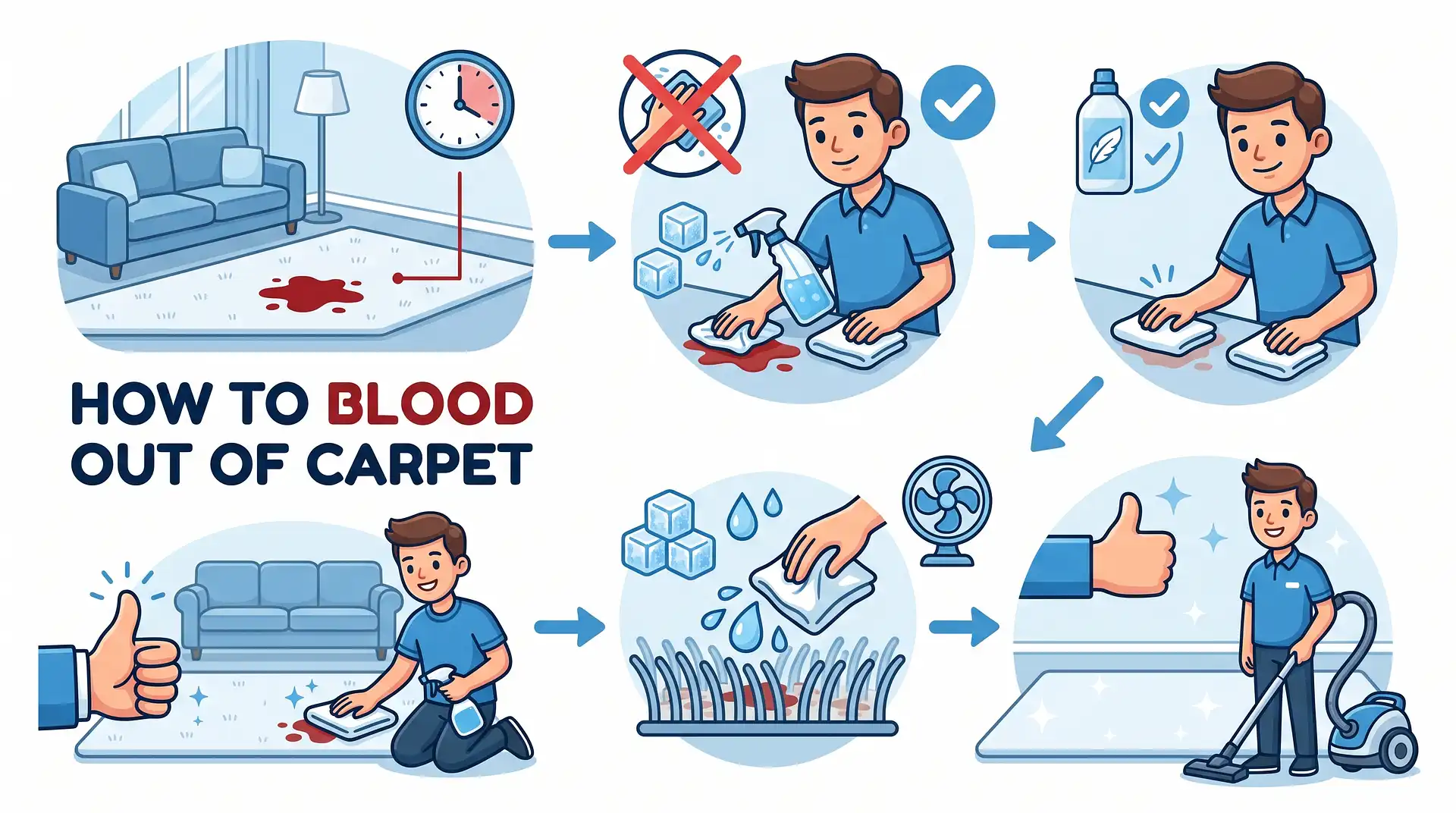
Quick answer: Put on disposable gloves before you touch anything. Blot fresh blood with a dry white cloth, working from the outside in, never rub. Use cold water only, never warm or hot, since heat cooks the protein in blood and binds it permanently to the fibre. A cold water and…
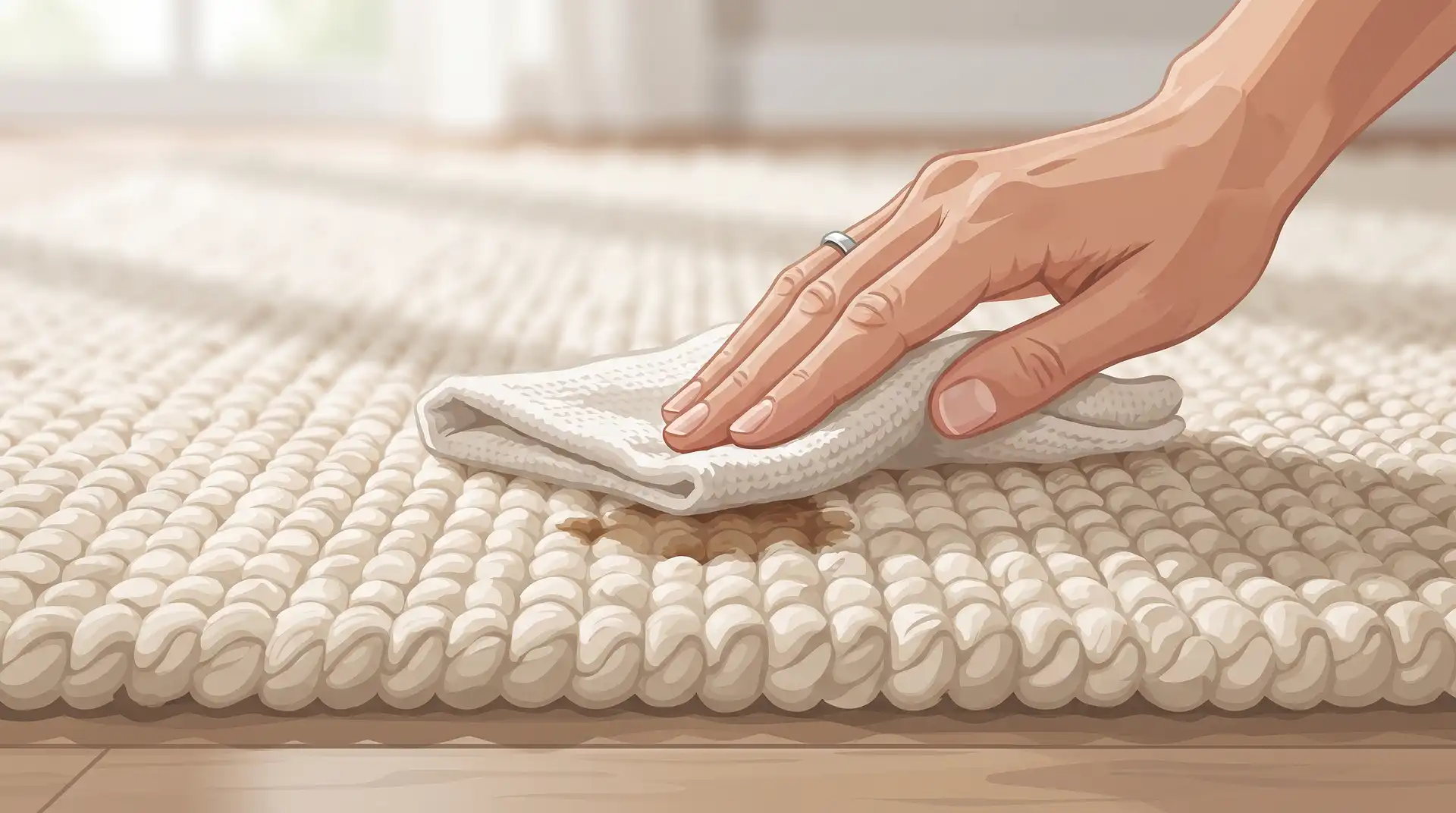
Quick answer: Blot immediately with a dry white cloth or kitchen roll, working from the outer edge in. Never rub. Flush with cool water, never hot or warm. Test any cleaning solution on a hidden patch of carpet first. Wool and nylon carpets need gentler handling and more patience…