How to Get a Damp Smell Out of Carpet Fast
25 September 2026
Would rather leave it to a professional? See our carpet cleaning in Manchester.
Quick answer: Find and stop the moisture source before treating the smell. A small, recent clean-water spill may need blotting and thorough drying. A lasting musty smell, visible mould or wet underlay needs further inspection. Air freshener or another wash may leave the cause untouched.
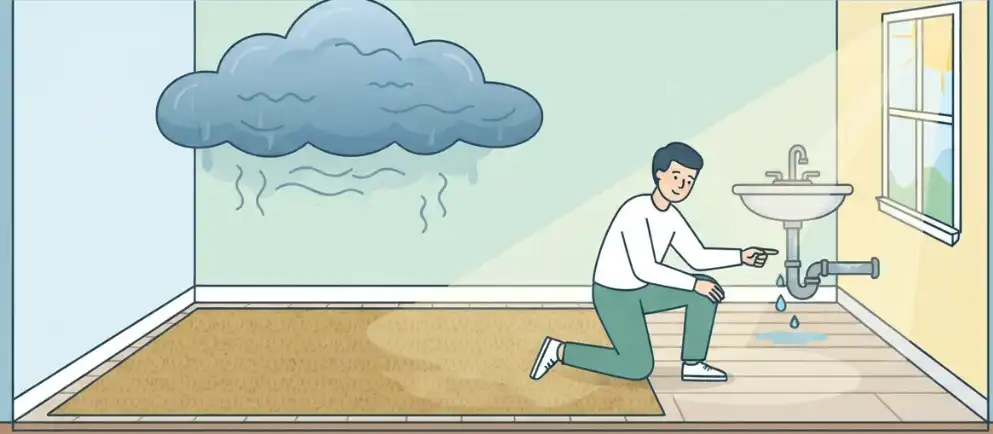
A room can look clean and still smell unpleasant. Before buying a carpet spray, think about when the smell started. Was it after cleaning, a spill, heavy rain or a leak?
That detail helps you choose the right next step. When contacting Instant Dry Carpet Cleaning, explain what happened and how long the smell has been there.
In this guide
Find the cause • Decide whether home drying is suitable • Dry a small spill • Deal with smells after cleaning • Understand household remedies • Know when to get help
Why your carpet smells damp
A musty smell is a reason to investigate moisture, including moisture below the carpet. Smell alone cannot identify the exact cause.
Start with the history of the problem. If the smell appeared after cleaning, check whether drying was completed. After a leak, consider the carpet, underlay and floor beneath. If it returns after rain, arrange a check for water entering the building.
A smell near a wall does not automatically mean rising damp. There may be several possible causes, and the correct repair depends on finding the actual problem.
UK guidance on damp and mould explains that growth can be hidden beneath carpets. Disturbing affected materials can release spores, so do not pull up a musty carpet yourself to investigate suspected mould.
When home drying is suitable
Home drying is most suitable for a small, recent spill of clean water. There should be no visible mould, strong existing musty smell or sign of deeper damage.
Arrange professional help if:
The water came from sewage, flooding or an unknown source.
A large area is soaked.
You can see suspected mould.
The carpet has remained wet for around two days or longer.
The smell keeps returning after drying.
Do not wait two days before acting. EPA water-damage guidance recommends drying affected materials within 24 to 48 hours where possible. This is a prevention guideline, not a guarantee that mould cannot develop sooner.
Ask About Your Carpet Cleaning Options
How to get damp smell out of carpet
1. Find and stop the moisture source
Note where the smell is strongest and when the problem began. Look for obvious signs such as dripping pipework, a recent spill or water entering near a door.
Cleaning cannot repair a leak. Arrange the appropriate repair alongside any urgent drying work.
If you rent, report the smell and any damp patches to your landlord or managing agent. Include photographs and explain whether it returns after rain or cleaning.
2. Blot a small clean-water spill
Press clean white towels firmly onto the wet area. Replace them as they become damp. Blot rather than scrub.
For larger amounts of water, use only equipment designed to collect liquids, following its instructions. An ordinary dry vacuum is not suitable.
The WoolSafe carpet-care guide recommends absorbing spills promptly and blotting rather than rubbing. If a cleaning product is needed, use one suitable for the carpet and follow its instructions.
3. Help moisture leave the room
For a recent clean-water spill with no suspected mould, suitable air movement and a dehumidifier can support drying.
Keep electrical equipment and connections away from wet areas. Follow the appliance instructions for placement and operation.
When drying one room with a dehumidifier, keeping windows and doors closed usually helps it work efficiently. Leave space around its air vents and empty the tank when needed. This follows Meaco guidance on indoor drying.
Opening windows is a separate option when outdoor conditions help moisture escape. Running a dehumidifier with every window open is not always helpful.
If mould or contaminated water is suspected, do not aim a fan at the carpet. Get advice on safe treatment first.
4. Check more than the surface
The fibres you can touch are only the top layer. Beneath them are the carpet backing, usually underlay, and the floor itself.
A dry surface does not prove that these lower layers are dry. Pressing a towel onto the top cannot confirm the condition of the underlay.
The EPA explains why carpet backing and padding also need to dry. Where hidden moisture is suspected, a trained professional may use suitable moisture-measuring equipment.
Do not hide the affected area under a rug. If a rug was also wet, follow its own care instructions. Our guide to cleaning a rug at home explains the differences between common rug materials.
5. Decide whether cleaning is still needed
Once the moisture problem has been addressed, ask what remains. Is there a known spill to remove? Has the underlay been checked where necessary? Is there evidence of mould or damaged backing?
For an ordinary cleaning enquiry, contact Instant Dry Carpet Cleaning with these details. Mention any leak, flooding or suspected mould before booking.
For routine care after the damp problem is resolved, read our guide to how to clean a carpet.
Musty smell keeps coming back?
Book professional carpet cleaning
When carpet smells damp after cleaning
Contact the cleaner promptly if the smell is strong, worsening or lasting beyond the drying period they advised.
Tell them when the carpet was cleaned, which areas smell, whether it still feels damp and what drying steps you have taken. Mention any odour that was present before cleaning.
Avoid immediately shampooing it again. First establish whether it needs more drying, further cleaning or inspection beneath the surface.
If you used a home machine, check its instructions for solution strength, water collection and extraction passes. Our guide to using a Vax carpet cleaner gives additional guidance, but your model's manual takes priority.
Why household remedies have limits
Bicarbonate of soda and vinegar should not be treated as solutions to hidden damp or mould. Reducing a smell is different from resolving moisture beneath a carpet.
Avoid adding household mixtures before you understand the cause. Do not cover damp carpet with powder or repeatedly spray it with vinegar and water.
For wool, choose a product approved for the intended use and follow its dilution instructions. WoolSafe product testing considers more than pH alone, so the words natural or pH neutral are not enough to confirm suitability.
Do not use bathroom mould spray on carpet unless the label specifically allows it on your material. Never mix bleach with vinegar, ammonia or other cleaners.
When carpet or underlay may need replacing
Replacement may be necessary when mould has affected absorbent materials or damage makes recovery impractical.
The EPA's household mould guidance explains that mould can be difficult or impossible to remove fully from porous materials such as carpet. A surface clean cannot promise to make every affected carpet suitable for reuse.
After flooding, speak to your insurer before discarding damaged items where possible. UK flood-recovery guidance advises assessing whether soft furnishings can be cleaned safely or need disposal.
Ask the assessor to explain what can be saved, what needs replacing and how the floor will be checked before new flooring is fitted.
How to stop the smell returning
Repair recurring leaks and investigate condensation. Make sure moisture-producing appliances are properly vented. Use ventilation or dehumidification to suit the room and weather conditions.
After the work, keep a simple record of any returning smell. Note its location and whether it follows rain, cleaning or another event. This helps identify a pattern and gives the person investigating useful information.
Frequently asked questions
Will damp carpet smell go away on its own?
It may improve as a small, recent spill dries. A lasting or returning smell needs investigation rather than more waiting.
Can carpet smell musty even when it feels dry?
Yes. The surface can feel dry while moisture remains below it. A persistent smell can justify checking the backing, underlay and floor.
How long should wet carpet take to dry?
There is no single drying time. The amount of water, carpet construction, underlay and room conditions all matter. Seek help early if drying is slow.
Does a musty smell always mean mould?
No. Smell alone cannot confirm the cause. However, a persistent musty odour is a reason to investigate possible hidden damp or mould.
Will a dehumidifier remove the smell?
A dehumidifier removes moisture from the air and can support drying. It does not remove contaminated underlay, repair a leak or replace cleaning where that is needed.
Should I steam clean a damp-smelling carpet?
Not before checking why it smells. Further wet cleaning may be unsuitable if the carpet is already wet or mould is suspected.
Can I stay in a room with a mouldy carpet?
Avoid using the affected room while you arrange advice, especially if you have asthma, another lung condition or reduced immunity. Follow CDC advice on mould exposure and cleanup, and do not carry out mould cleanup if you are at higher risk.
How much does professional treatment cost?
The cost depends on room size, carpet material, the cause of the smell and the work required. Cleaning, specialist drying, mould treatment and underlay replacement are different jobs. Ask for an estimate that explains what is included.
How do you get a smell out of carpet quickly?
Open windows, sprinkle bicarbonate of soda, leave it for a few hours or overnight and vacuum it up. This removes surface smells. A musty smell that comes back means moisture in the underlay, which needs drying with fans or a dehumidifier.
Why does my carpet smell damp after cleaning?
Too much water was left in the carpet, or it dried too slowly. Run a fan and a dehumidifier and keep the heating on. Carpet that is still damp after 24 hours can start to smell musty, so it needs extra drying straight away.
Can a damp carpet cause mould?
Yes. Carpet and underlay that stay wet for 24 to 48 hours can grow mould, especially near cold outside walls. Find and fix the water source first. Carpet soaked by sewage or flood water should be replaced, not cleaned.
Does bicarbonate of soda remove damp smell from carpet?
It absorbs mild odours from the surface, but it does not dry the carpet or kill mould. Use it only once the carpet is fully dry, and vacuum thoroughly so powder does not build up in the pile.
Get advice before booking another clean
Tell Instant Dry Carpet Cleaning when the smell started and what you have already tried. Mention visible mould or water damage so the enquiry can be assessed before a cleaning appointment is arranged.
Ask About Your Carpet Cleaning Options
Prices vary with the carpet's condition and the work required. An estimate may change if an inspection identifies additional work.
Related guides: how to get smells out of carpet, how long carpet takes to dry after cleaning, how to get urine smell out of carpet. For a professional finish, see our carpet cleaning service or carpet cleaning in Manchester.
Related guides
Need it cleaned properly?
Book our carpet cleaning service — from £29 (UK average £45), free in-home survey and pay on completion.