How to Clean a Cowhide Rug
1 October 2026
Would rather leave it to a professional? See our rug cleaning in Manchester.
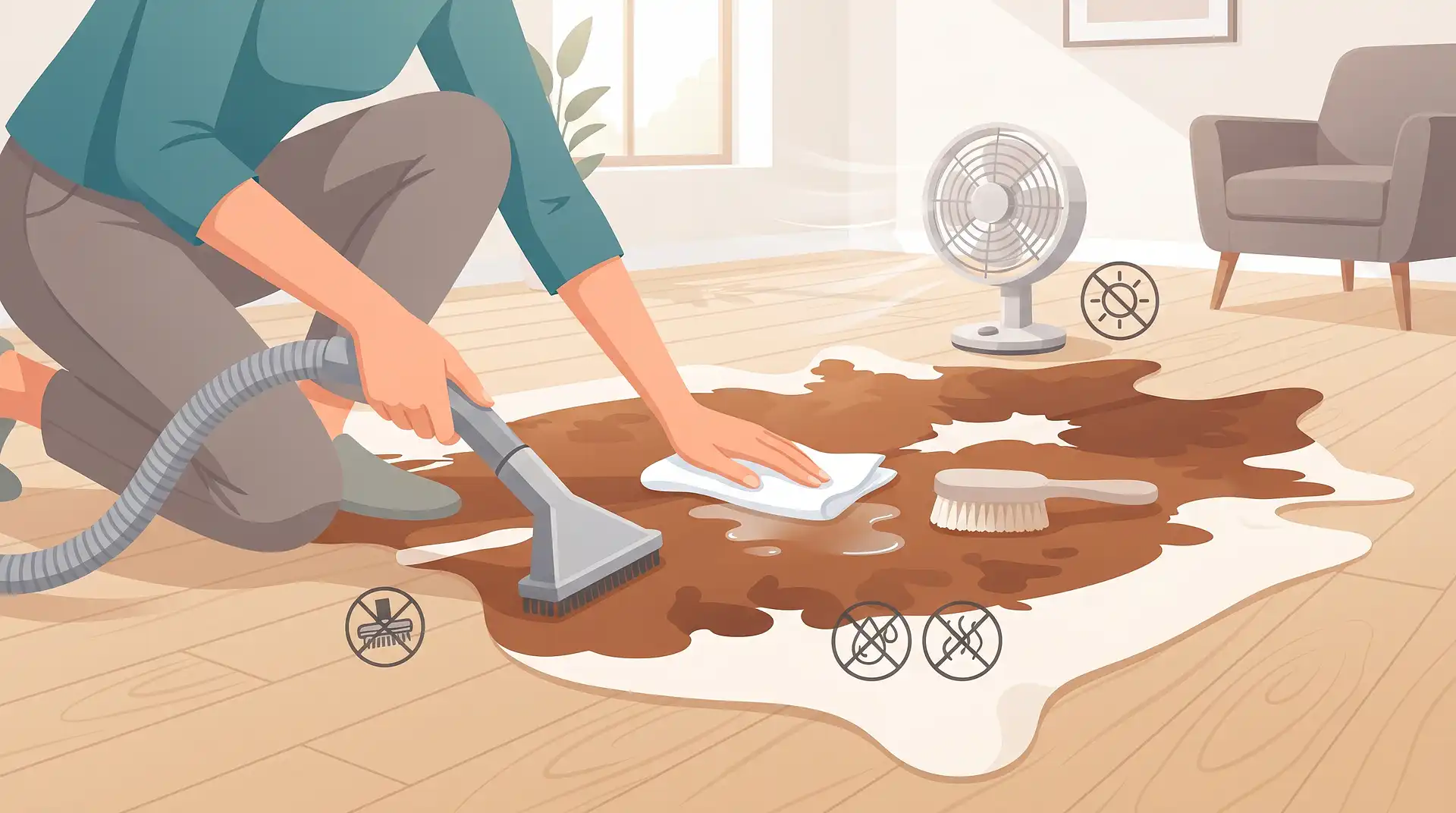
Quick answer: Shake the cowhide outdoors or vacuum it with suction only, moving in the direction of the hair. For a fresh spill, blot immediately with a dry white cloth. If the care instructions allow spot cleaning, use a second cloth that is barely damp with water and a small amount of pH-neutral hide or leather cleaner. Wipe with the hair, remove product residue and let the rug dry flat, hair side up, away from direct heat. Never soak, machine wash, hose or steam clean a cowhide rug.
A cowhide rug is different from a woven rug. Its visible hair remains attached to a piece of tanned animal skin. Too much water can make the leather backing stiff, misshapen or curled, while aggressive brushing can loosen hair that will not grow back.
Check whether the rug is genuine cowhide
Read the label or purchase information before cleaning. A genuine cowhide has a leather underside and natural variations in shape, colour and hair direction. A printed imitation may be polyester, acrylic or another synthetic material attached to a textile backing. The two products need different care.
Follow the maker's instructions if they differ from general advice. Some hides have protective finishes or colour treatments that affect which cleaner is safe. If the label is missing and the rug is valuable, dyed or unusually delicate, limit home care to gentle dry cleaning until a hide specialist identifies it.
Test before using moisture
Choose a hidden outer edge. Apply a tiny amount of the proposed cleaner to a white cloth and wipe with the hair direction. Let the patch dry completely. Stop if colour transfers, the hair becomes rough, the backing darkens permanently or the edge changes shape.
What you need
A vacuum with a suction-only setting or soft upholstery attachment
A soft brush suitable for natural hair
Clean white cloths and absorbent paper towels
A spoon or blunt plastic edge for lifting solids
A pH-neutral cleaner approved for cowhide or finished leather
A fan for gentle air movement during drying
Avoid coloured cloths because damp dye can transfer. Do not begin with a general carpet shampoo. Products designed for polypropylene, wool or fitted carpet may be unsuitable for the leather backing.
How to clean a cowhide rug routinely
1. Shake out loose grit
Take the rug outside if it is light enough to handle safely. Hold it securely and shake it without snapping or sharply folding the hide. Loose dust, crumbs and grit should fall away before vacuuming.
2. Vacuum with suction only
Lay the rug flat. Use low or moderate suction and move from the centre towards the edge in the natural direction of the hair. Keep a rotating beater bar or brush roll switched off. It can pull at the hair roots and damage thin edges.
Do not repeatedly vacuum against the grain. Lift the tool rather than dragging it backwards across the hair. Take extra care around any stitched joins or repaired sections.
3. Brush the hair gently
A soft brush can align the hair and release remaining surface dust. Follow the way the hair naturally lies. If the brush catches, stop and free it rather than pulling.
4. Clean the floor beneath
Lift the rug and vacuum or wipe the floor. Make sure the floor is completely dry before replacing the hide. Moisture trapped underneath can mark the leather and the flooring.
5. Rotate the rug
Turn it through 180 degrees every few months. Rotation spreads foot traffic and light exposure, reducing local wear and uneven fading.
General textile-rug advice does not always apply to hide. Our guide to cleaning a rug at home explains why fibre and backing must be identified before choosing a method.
How to deal with a fresh liquid spill
Blot straight away
Place a folded white cloth over the spill and press gently. Lift it straight up and move to a dry section. Work from the outside towards the centre so the wet area does not spread.
Do not rub. Friction pushes liquid between the hairs, spreads staining and may roughen the surface. Check the leather underside and floor. If liquid has passed through, blot both carefully without stretching the wet hide.
Use minimal moisture
If a mark remains and the care instructions permit spot cleaning, dampen a white cloth with cool water and wring it until nearly dry. Add only the stated amount of an approved pH-neutral hide or leather cleaner. Apply the product to the cloth rather than pouring or spraying it onto the rug.
Wipe lightly with the hair direction. Use a fresh barely damp cloth to remove cleaner residue where the product instructions require it, then blot with a dry towel.
Dry flat and naturally
Leave the cowhide flat with the hair side facing up. Use ventilation and a fan if needed, but keep it away from a radiator, hairdryer, heated floor and strong direct sunlight. Do not hang a wet hide by one edge because its weight can stretch the leather.
Cowhide or sheepskin needing a specialist clean?
Book professional rug cleaning
How to remove common marks from cowhide
Food and water-based drinks
Lift food with a spoon, then blot liquid. Use the approved minimal-moisture method only if a stain remains. Several light passes are safer than one wet treatment. Remove all cleaner residue and let the area dry before deciding whether another pass is needed.
Grease and cooking oil
Blot without spreading the oil. Do not scrub it with water because oil and water do not mix, and extra moisture can drive the mark across the leather. Use only a grease treatment approved by the rug maker for cowhide. An old, large or dark grease mark is best handled by a leather or hide specialist.
Mud
Let ordinary mud dry fully. Flex the rug gently, brush with the hair and vacuum the loosened soil using suction only. If a shadow remains, use a barely damp cloth and approved cleaner after patch testing.
Pet urine, vomit or another biological accident
Wear gloves, lift solids and blot as much liquid as possible. Check the floor beneath immediately. Do not use a general enzyme cleaner unless its label specifically approves use on cowhide or finished leather. Many biological cleaners are designed for washable textiles and may affect natural hair, dye or tanning agents.
If contamination has soaked through the leather, home surface cleaning cannot reliably reach it without overwetting the hide. Arrange specialist cleaning. A persistent smell usually means residue remains below the hair or in the floor or pad beneath.
Chewing gum or candle wax
Place ice in a sealed bag and hold it above the material until it becomes firm. Lift it carefully with a blunt plastic edge, following the hair direction. Do not use an iron, boiling water or hairdryer. Heat can damage the hair, spread wax and harden the leather as it dries.
Ask About Specialist Rug Cleaning
Can you deep clean a cowhide rug at home?
A full wet wash is not a safe home method for genuine cowhide. The hair and leather respond differently to water, agitation and drying. A hide that is soaked can become stiff, shrink unevenly, curl at the edges or develop a lasting smell.
Do not put cowhide in a washing machine, bath or carpet-cleaning machine. Do not hose or pressure wash it. Domestic steam tools combine moisture and heat, which can alter the leather and set some stains.
For widespread soiling, an unknown stain, heavy odour, urine penetration, dye transfer or a valuable hide, use a professional experienced with leather and hair-on-hide products. Ask what process will be used and whether the cleaner regularly handles cowhide rather than ordinary rugs alone.
How to clean the leather underside
Routine care normally requires only gentle vacuuming at low suction. Support thin edges with one hand and avoid pulling at cracks or repairs. Never scrub the back with a wet brush.
For a small surface mark, use only a cleaner approved for the particular hide, applied sparingly to a cloth. Leather can darken temporarily when damp, but any area that remains dark, stiff or distorted after drying needs professional assessment.
Cowhide backing shares some care principles with finished leather furniture, although it does not have the same protective coating. Our guide to cleaning a leather sofa explains why household sprays, baby wipes and strong alkaline products are unsuitable for natural leather.
How to prevent curling and creases
Keep the rug dry, rotate it and avoid placing an edge where people repeatedly kick or roll it. Use a floor-compatible, breathable underlay only if the cowhide supplier recommends one. Adhesive tape can mark both the leather and the floor.
If a dry edge begins to curl, gently bend it in the opposite direction and place a flat, clean weight over a protective cloth for a short period. Do not wet the edge to make it flexible. Moisture can create a harder curl as the leather dries.
For a crease caused by storage, lay the rug flat at normal room temperature and allow it time to relax. Avoid ironing or heating the back.
How to remove odour from cowhide
First identify the source. Surface dust, smoke, a biological spill and damp leather need different treatment. Vacuum both sides and air the rug in a dry, shaded, well-ventilated area. Strong sunlight may fade dyed patches or dry the leather.
Do not cover the smell with perfume, essential oil or a heavily scented spray. These add residue and may be difficult to remove. If the rug smells musty, check for dampness, mould and a wet floor beneath it. Visible mould or a continuing damp smell requires specialist advice.
Safety guide for cowhide cleaning
Read the complete label before using a cleaner. Hazard symbols, precautionary statements and protective-equipment instructions explain how to use and store the product safely. The Health and Safety Executive provides further information about cleaning-product labels and hazards.
Ventilate the room, wear gloves when instructed and keep children and pets away until the area is dry. Never mix cleaning products. Keep every chemical in its original labelled container and do not spray near food, flames or electrical equipment.
A cowhide can be awkward to carry. Clear the route and ask another capable adult for help if it is too large to control. A damp hide is heavier and easier to stretch, so support it evenly rather than lifting it from one narrow edge.
What not to use on a cowhide rug
A washing machine, tumble dryer or full bath
A hose, pressure washer or carpet-cleaning machine
A steam mop, iron, radiator or hairdryer
A rotating vacuum brush or stiff scrubbing brush
Bleach, ammonia, peroxide or an all-purpose surface spray
Biological detergent or an enzyme cleaner without hide approval
Vinegar or another homemade acid treatment
Furniture polish, cooking oil or an unapproved leather conditioner
A product may be described as natural, gentle or pet-safe and still be unsuitable for tanned leather. Compatibility with cowhide matters more than the marketing description.
Frequently asked questions
Can you vacuum a cowhide rug?
Yes. Use suction only or a soft upholstery attachment and move with the hair direction. Switch off the rotating brush and take care around edges and stitched areas.
Can you wash a cowhide rug with water?
Do not soak or fully wash genuine cowhide. A very small amount of moisture may be used for spot cleaning when the care instructions allow it, but the leather backing must not become saturated.
Can you steam clean cowhide?
Domestic steam cleaning is not recommended. Heat and moisture can affect the tanned backing, loosen hair and leave the rug stiff or distorted.
Can you use washing-up liquid?
Use a pH-neutral cleaner specifically approved for cowhide or finished leather instead. Ordinary washing-up liquids vary in strength, fragrance and additives, and residue can be difficult to remove without extra water.
Why is the hair coming out?
A small amount of loose hair may be present, but continuing hair loss can be caused by wear, moisture, insects, harsh brushing or deterioration of the hide. Stop aggressive cleaning and inspect both sides. The site's guide to carpet moths explains how to recognise insect activity around animal fibres.
Can you put a cowhide rug in direct sunlight?
Brief airing in mild conditions may be acceptable, but prolonged strong sunlight can fade colour and dry the leather. Air it in a shaded place with good ventilation.
When should you use a professional?
Seek specialist help for widespread soil, urine or vomit that reached the backing, mould, strong odour, large grease marks, colour transfer, significant curling, hair loss or a valuable dyed hide. Tell the cleaner which products have already been used.
Can you wash a cowhide rug?
No. Never machine-wash, soak or steam clean a cowhide, as water stiffens and shrinks the hide and can loosen the hair. Shake it, vacuum in the direction of the hair and spot-clean with a barely damp cloth.
How do you get a stain out of a cowhide rug?
Blot spills straight away. Wipe the mark gently in the direction of the hair with a cloth dampened with mild soapy water, then dry with a hairdryer on a cool setting. Brush the hair flat once dry.
Why is my cowhide rug shedding?
Some shedding is normal with use. Heavy shedding or bald patches can mean the hide is drying out or has been wet. Keep it out of strong sun and away from damp floors.
Keep cowhide care simple
Most cowhide rugs need regular dry maintenance rather than frequent wet cleaning. Shake out grit, vacuum with the hair, rotate the hide and blot accidents immediately. When a stain needs moisture, use the smallest safe amount and dry the rug flat.
InstantDry can assess the hide, stain and previous treatments before advising whether professional cleaning is suitable. Results depend on the condition of the leather, colour stability and how deeply contamination has travelled.
Request a Specialist Rug Cleaning Assessment
Related guides: how to clean a sheepskin rug, how to clean a faux fur rug. For a professional finish, see our rug cleaning service or carpet cleaning in Manchester.
Related guides
Need it cleaned properly?
Book our rug cleaning service — from £39 (UK average £60), free in-home survey and pay on completion.